Star City (2026) Review: The Soviet Side of the Moon
Star City is the For All Mankind spinoff set inside the Soviet space programme after it wins the Moon race, a paranoid Cold War drama led by Rhys Ifans.
★★★★☆ 4/5
Yes. It is a tense, grown-up space drama that turns victory into a trap, best for viewers who like slow-burn Cold War paranoia more than launchpad spectacle.
Is Star City worth watching?
Yes. Star City is a gripping, deliberately claustrophobic spinoff that finds fresh drama by moving the space race to the side that won it. Where its parent series leaned on American optimism, this one runs on fear, surveillance and the pressure of having to keep winning. The reservation is that its slow-burn pacing and unrelenting gloom will not suit everyone, and with the show still ongoing, its first season is a beginning rather than a complete arc.
What is Star City about?
Star City is set in the same alternate history as For All Mankind, in which Soviet cosmonaut Alexei Leonov became the first person to walk on the Moon in 1969. That triumph is the premise here, seen from the other side. The Soviet programme has beaten the Americans, and now it cannot afford to stop beating them.
The series lives inside the closed military town where the programme trains its cosmonauts. Its main figures are the revered Chief Designer who drives the engineering, the young cosmonauts being groomed as national heroes, and the families who share their homes, their privileges and their danger. Hanging over everyone is the KGB, for whom a faulty part or a careless remark can look like sabotage.
It was created by Matt Wolpert, Ben Nedivi and Ronald D. Moore, the team behind For All Mankind, and it is an American production in English for Apple TV+. Rhys Ifans and Anna Maxwell Martin lead an ensemble that includes Agnes O’Casey, Alice Englert and Solly McLeod. This review covers season 1, eight episodes; the show is ongoing.
Winning the race as a source of dread
The cleverest thing about Star City is how it inverts the franchise’s mood. For All Mankind was about a country spurred on by losing. Here success itself becomes the threat: every achievement raises expectations, every failure has to be explained to people who treat mistakes as crimes, and nobody can admit fear out loud. The drama is less about whether a rocket will fly than about who will be blamed if it does not.
That shift gives the series the texture of a paranoid thriller. Conversations happen in lowered voices, loyalty is always being tested, and the show understands that in a surveillance state the most frightening scenes are often the quietest ones. The domestic material matters as much as the technical, and the families’ stake in the programme’s fortunes gives the tension a human scale.
Rhys Ifans at the centre of the machine
The ensemble is strong, but Rhys Ifans is the reason to keep watching. He brings gravity and a restless intelligence to a man who carries enormous authority in a system that could strip it from him at any moment, and he makes power look like a kind of exhaustion. Anna Maxwell Martin is equally precise, bringing her gift for tight, controlled performances to a world in which what goes unsaid often matters most.
The younger cast members have the harder job of making public heroes feel private and fallible, and the series gives them room to do it, even if not every character is equally well developed in eight episodes.
Where the gravity pulls too hard
The show’s commitment to atmosphere has a cost. Its pace is measured, and viewers expecting the launch-driven set pieces of the parent series may find the early episodes heavy going. The tone is almost uniformly sombre, with little of For All Mankind’s warmth to break it up, and some subplots feel like groundwork for future seasons rather than stories with their own payoff.
Who should watch Star City?
It is an easy recommendation for For All Mankind fans, and it also works for anyone drawn to Cold War thrillers and alternate history, since the only background needed is the premise that the Soviets reached the Moon first. Eight episodes make a manageable commitment. Expect sustained tension, threat, some violence and adult language, and themes of state surveillance and coercion.
Good companions on the same shelf:
- Chernobyl for another portrait of Soviet institutions where the fear of blame is as dangerous as the technology.
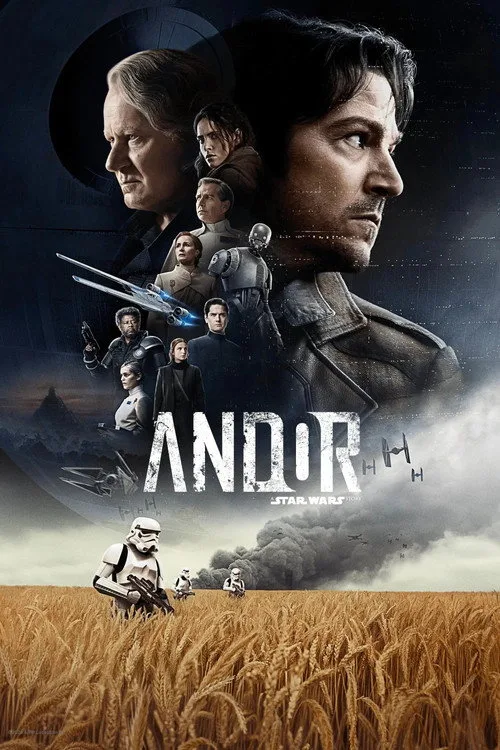
- Andor, which shares its interest in how ordinary people live under a surveillance state.
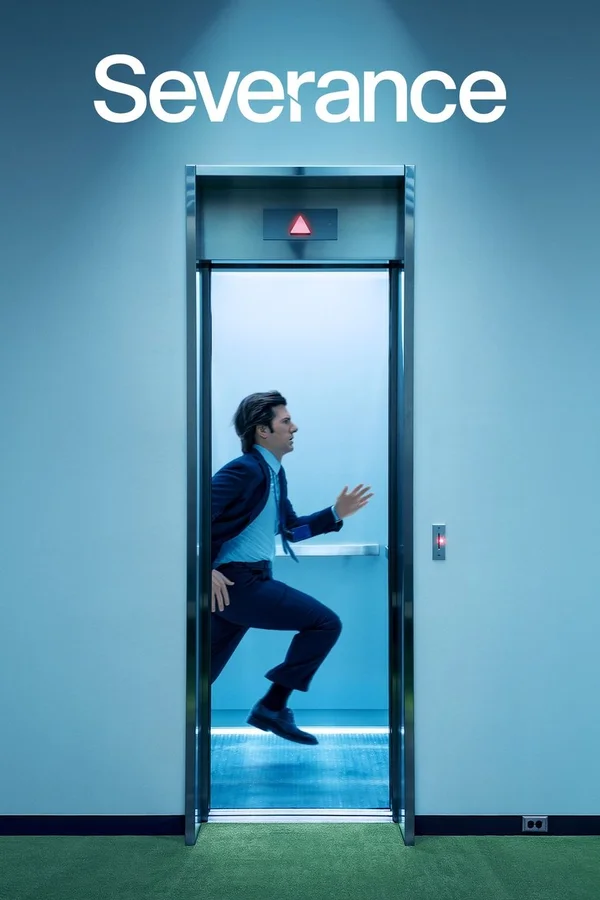
- Severance, a very different Apple TV+ series with the same taste for corridors, secrecy and slow-building unease.
The verdict
Star City is a spinoff with a real reason to exist: it takes a familiar alternate history and turns it into a study of what winning costs under a regime that cannot tolerate failure. Its pacing and gloom will test some viewers, but Rhys Ifans and a thoughtful premise make it one of the more rewarding new dramas of 2026.
Rating: 4/5
Availability is a catalogue snapshot and can change. Confirm with the provider in your region.
Where to watch Star City
Streaming: Apple TV+
By region: Apple TV+ in the United States; Apple TV+ in the United Kingdom; Apple TV+ in Indonesia; Apple TV+ in India
Full scores and availability on the series page.
More like Star City
 Apple TV+ Editor's Pick
 Severance
Drama, Sci-Fi
 Disney+
 Andor
Sci-Fi, Drama
 Apple TV+ Editor's Pick
 Slow Horses
Thriller, Drama
 Apple TV+
 Silo
Sci-Fi, Drama
Where can I watch Star City?
Streaming: Apple TV+. Regional notes: Apple TV+ in the United States; Apple TV+ in the United Kingdom; Apple TV+ in Indonesia; Apple TV+ in India.