Chernobyl (2019) Review: The Horror of Official Lies
Chernobyl is Craig Mazin's five-episode HBO miniseries about the 1986 reactor disaster, a gripping procedural horror about what happens when a state denies the truth.
★★★★★ 5/5
Yes, without hesitation. It is one of the finest miniseries ever made, essential for anyone who values historical drama, though its horror is hard to shake.
Is Chernobyl worth watching?
Yes. Chernobyl is a near-flawless miniseries, as tense as any thriller and as morally precise as the best historical drama, and it sets the standard for television about real catastrophes. Across five episodes, Craig Mazin turns the 1986 nuclear disaster into a study of how official denial multiplies harm. The only real caveats are that it takes some dramatic liberties with history and that its depiction of radiation sickness is genuinely harrowing.
What is Chernobyl about?
In April 1986, a reactor at the Chernobyl nuclear plant in Soviet Ukraine explodes in the middle of the night. As the local authorities insist the situation is under control, the scientist Valery Legasov (Jared Harris) and the senior party official Boris Shcherbina (Stellan Skarsgård) are sent to manage the crisis, while a nuclear physicist played by Emily Watson begins her own inquiry into what went wrong. Around them, firefighters, miners, soldiers and workers are sent into danger by a system that still refuses to admit its scale.
Chernobyl was created and written by Craig Mazin and directed by Johan Renck, an HBO miniseries made with Sky and performed in English. It aired in 2019 as a single, complete season of five episodes, roughly five hours in total, and it won the Emmy for outstanding limited series.
A horror story with an invisible monster
The series works like a horror film whose monster cannot be seen, heard or smelled. Renck shows radiation only through its effects: a strange glow over the plant, burns appearing on skin, dosimeters that click faster than their scales can measure. Because the threat follows no dramatic logic, it cannot be outrun or talked down, and the dread builds with every scene in which someone moves a little closer to the reactor.
Hildur Guðnadóttir’s score, built from recordings made at a real power plant, adds an industrial hum that seems to leak out of the walls. The production design, all institutional greens and sodium half-light, makes the Soviet offices feel as dangerous as the plant.
The cost of lies, made concrete
Mazin’s real subject is the cost of lies. Nearly every horror in the series grows from a euphemism, a reassuring report or a decision made to protect someone’s standing. The writing structures the disaster as a chain of small institutional cowardices that are each understandable and together catastrophic, which makes the story feel less like a historical accident than a warning about how systems fail.
The performances give that argument a human face. Harris plays Legasov as a scientist who has made the compromises needed to be useful and is now seeing their price. Skarsgård’s Shcherbina begins as a blunt apparatchik and slowly reveals something like decency, and Watson’s character, a composite created for the drama, supplies the investigation’s moral fury. The series also honours the people without power: Jessie Buckley, as the wife of a firefighter, carries one of its most devastating threads.
Where drama bends the record
Chernobyl is not a documentary. Watson’s scientist stands in for many real people, some events are compressed or heightened, and historians have questioned certain details. The decision to have the cast speak in their own British and other accents rather than adopt Russian ones is a sensible stylistic choice, but it takes a moment to adjust to. None of this dents the drama, though viewers should treat it as an interpretation rather than a precise record.
Who should watch Chernobyl?
It is essential for anyone interested in history, disaster stories or political drama, and for viewers who admire tightly written limited series. At five episodes, it is a manageable commitment, though many will need breaks between episodes. The content is intense: graphic depictions of radiation injuries, animal culls and death, as well as sustained dread. It is not for younger viewers. The history drama hub collects more in the same vein.
If it leaves you wanting more:
- Andor for another drama about ordinary people caught inside a state machine that values control over truth.
- Star City for a fictional look at the Soviet side of the space race and the pressures of secrecy.
The verdict
Chernobyl is television of rare seriousness and power: a gripping account of a disaster and a precise argument about why truth matters when institutions would rather hide it. Its liberties with history are minor next to its craft and conviction, and it remains the benchmark for the historical miniseries.
Rating: 5/5
Availability is a catalogue snapshot and can change. Confirm with the provider in your region.
Where to watch Chernobyl
Streaming: HBO Max
By region: HBO Max in the United States; Sky Cinema in the United Kingdom; HBO Max in Indonesia; Disney+ Hotstar in India
Full scores and availability on the series page.
More like Chernobyl
 Viki Editor's Pick
 Nirvana in Fire
Drama, History
 HBO Max
 Grisse
Action, Adventure
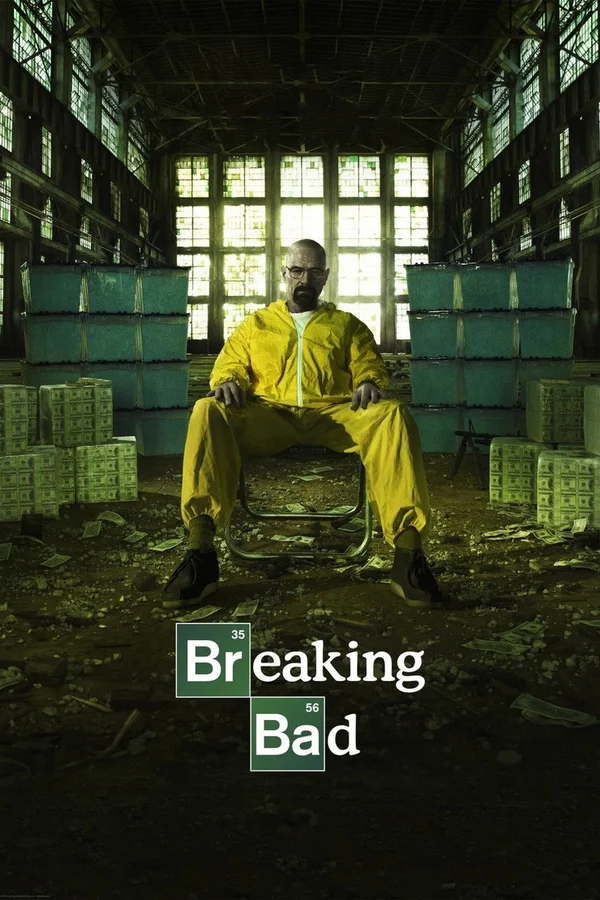 Netflix Editor's Pick
 Breaking Bad
Crime, Drama
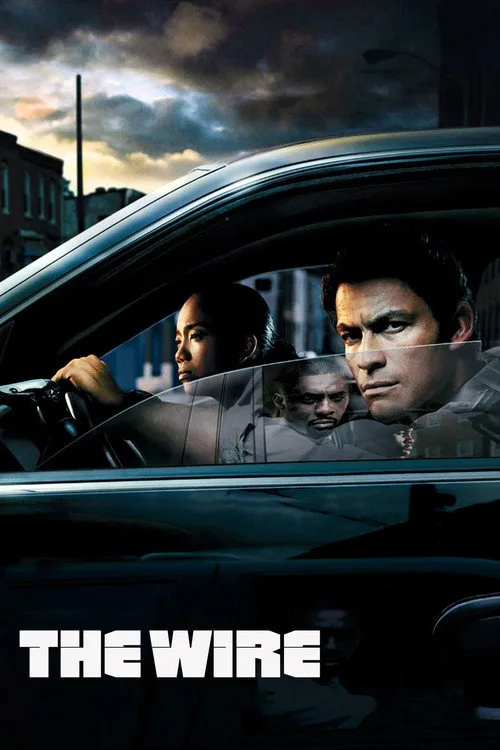 HBO Max Editor's Pick
 The Wire
Crime, Drama
Where can I watch Chernobyl?
Streaming: HBO Max. Regional notes: HBO Max in the United States; Sky Cinema in the United Kingdom; HBO Max in Indonesia; Disney+ Hotstar in India.