Asia's Biggest Film Festivals: Busan, Shanghai and the Asian Film Awards, Explained
Busan is Asia's most significant film festival, Shanghai is its largest by scale, and the Asian Film Awards are its top prize ceremony. Here's how the three work, why they matter, and where their signature films sit in the Celluloid catalog.
Asia’s film-festival landscape comes down to three names: the Busan International Film Festival is the continent’s most significant festival, the Shanghai International Film Festival is its biggest by sheer scale, and the Asian Film Awards are its top awards ceremony. Each plays a different role — Busan discovers talent, Shanghai connects the world’s largest cinema markets, and the AFA crowns the year’s best work across the whole continent. This guide explains how each works, and where to find their signature films on the Celluloid festival hub.
Busan International Film Festival (BIFF) — the Cannes of Asia
Held every October in South Korea’s port city, Busan has earned its “Cannes of Asia” nickname the honest way: not through red-carpet glamour, but by being the single most important launchpad for new Asian filmmakers. Where European festivals tend to reward established auteurs, Busan is built around discovery — its programming actively privileges first and second features, and a Busan slot can turn an unknown director into a name overnight.
- Focus: New Asian cinema and first-time directors; the festival’s identity is discovery, not consecration.
- Key mechanism: The Asian Project Market, where directors pitch unmade films directly to producers, financiers and distributors — many of the region’s most acclaimed recent films were funded here before a frame was shot.
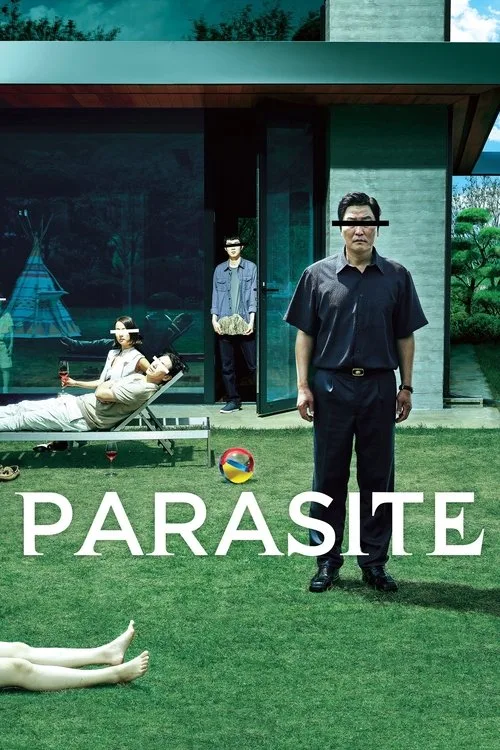
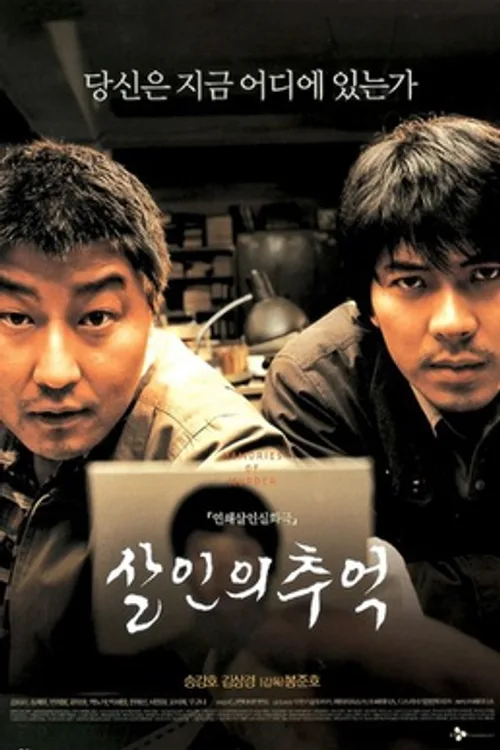
- Why it matters: Busan’s rise tracks the Korean wave itself. The generation of filmmakers behind Parasite, Memories of Murder, Decision to Leave and The Handmaiden came up through an ecosystem Busan helped build — and the genre cinema that travels furthest, from Oldboy to Train to Busan, shares that same industrial DNA.
If you follow one Asian festival a year, follow this one: October’s Busan lineup is a reliable preview of what world cinema will be talking about the following spring.
Shanghai International Film Festival (SIFF) — Asia’s largest stage
Shanghai is the numbers festival. Each June it screens more than 2,000 films from over 100 countries — a scale no other Asian festival approaches — and it is one of only two festivals in Asia accredited by FIAPF as a top-tier competitive festival, putting it in the same formal category as Cannes, Venice and Berlin.
Not the same as the Shanghai Television Festival. STVF’s Magnolia Awards are China’s prestige TV honors — see the Magnolia Awards guide. SIFF is film; Magnolias are television.
- Focus: Scale and exchange — SIFF is the main bridge between the Chinese box office, the world’s largest single-country market, and international cinema.
- Top prize: The Golden Goblet Award, decided by an international jury across feature, documentary and animation competitions.
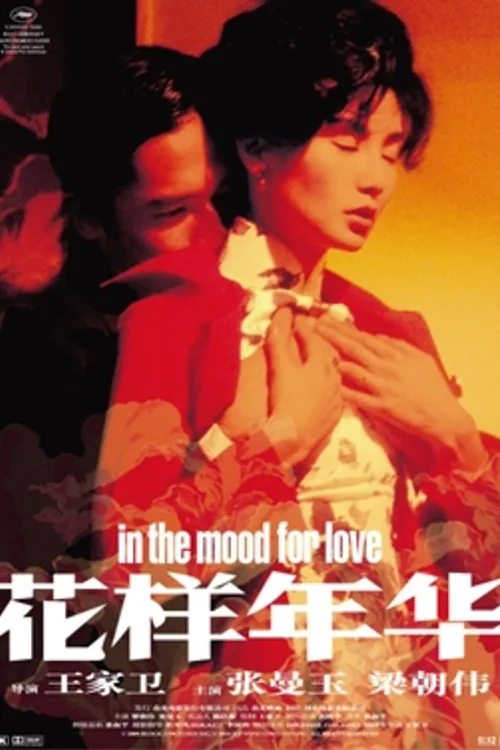
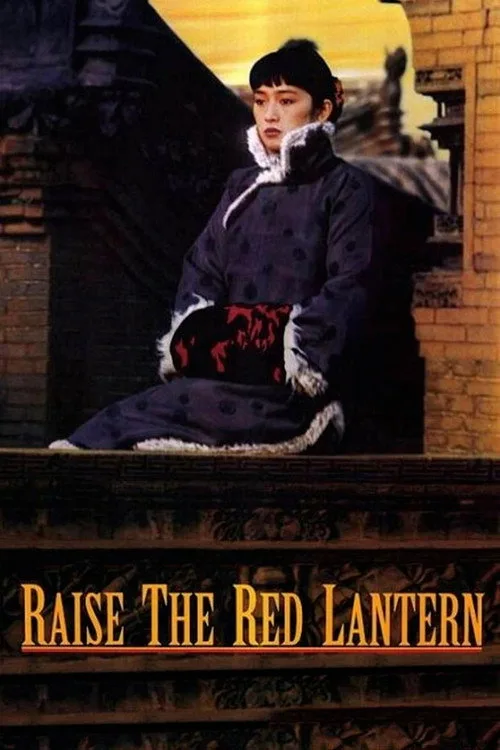
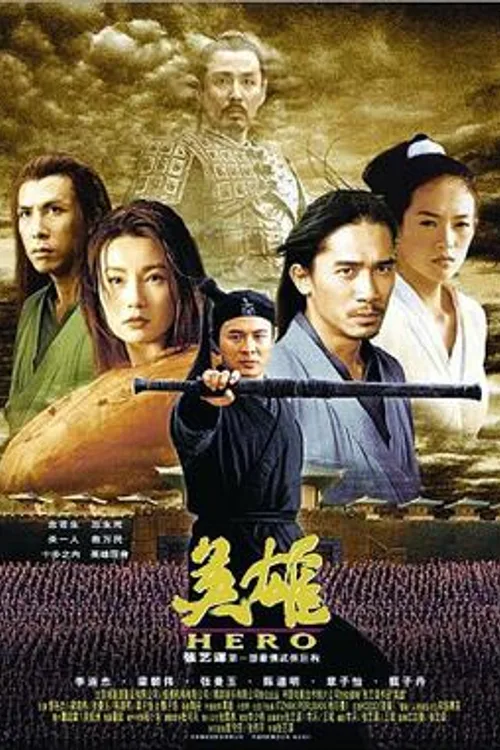
- Why it matters: For international distributors, Shanghai is the front door to Chinese audiences; for Chinese cinema, it is the export terminal. The tradition it showcases runs deep — from Zhang Yimou’s Raise the Red Lantern and Hero to Chen Kaige’s Farewell My Concubine, Wong Kar-wai’s In the Mood for Love and Ang Lee’s Crouching Tiger, Hidden Dragon — and its contemporary edge is visible in festival-circuit work like Jia Zhangke’s Caught by the Tides.
The Asian Film Awards (AFA) — the Oscars of Asia
Festivals discover films; the Asian Film Awards rank them. Founded in 2007 by the Hong Kong International Film Festival and now jointly organized by the Hong Kong, Busan and Tokyo festivals, the AFA is the only major ceremony where the year’s best films from Korea, China, Japan, India and Southeast Asia compete head-to-head.
- Focus: Pan-Asian competition — Best Film, Best Director, and acting categories drawn from the entire continent’s output in a single year.
- Structure: Its three organizing festivals give it genuine cross-border legitimacy; no single national industry controls the outcome.
- Why it matters: It is the closest thing Asia has to a continental Oscars, and one of the few places where Korean thrillers, Chinese epics, Japanese dramas and Indian breakouts like RRR or All We Imagine as Light are measured against each other directly. Browse all ceremonies on the awards hub.
Honorable mention: Tokyo International Film Festival
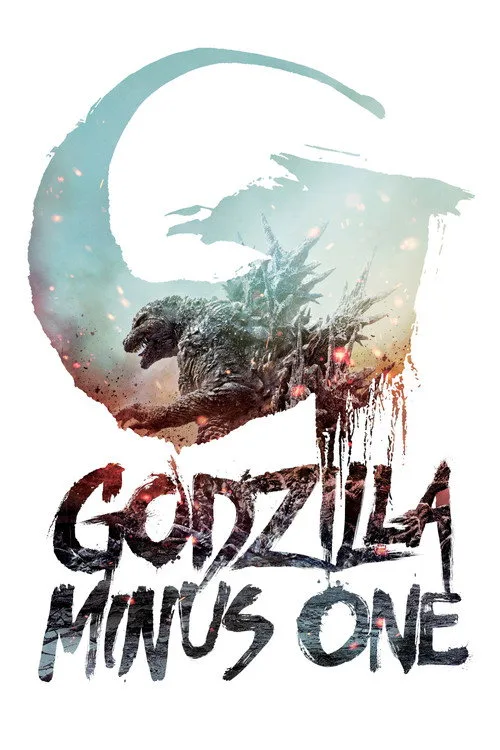
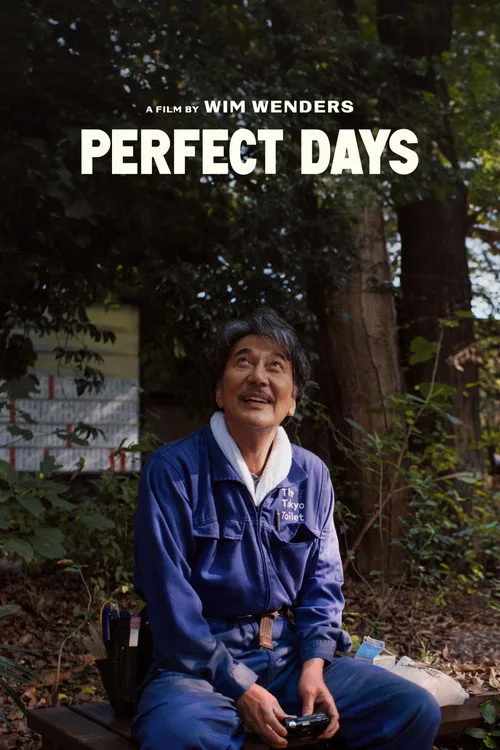
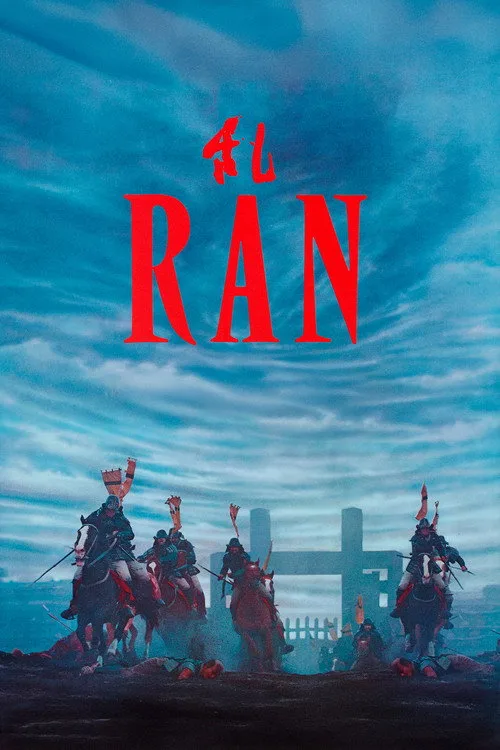
Tokyo, held each autumn, is Japan’s premier showcase and the other FIAPF-accredited top-tier competitive festival in Asia alongside Shanghai. It carries the weight of the national tradition behind it — Kurosawa’s Ran, Rashomon and Seven Samurai, Ozu’s Tokyo Story, Miyazaki’s Spirited Away — while championing the country’s current strength, from Godzilla Minus One to Wim Wenders’ Tokyo-set Perfect Days. If the AFA’s three-festival axis has a fourth pillar, this is it.
FAQ
Which is the biggest film festival in Asia?
The Shanghai International Film Festival is Asia’s largest, screening over 2,000 films from more than 100 countries each June. It is also one of only two FIAPF-accredited top-tier competitive festivals in Asia, alongside Tokyo.
What is the Cannes of Asia?
The Busan International Film Festival in South Korea, held each October, is widely called the Cannes of Asia. It is the continent’s premier launchpad for new directors, and its Asian Project Market is where much of the region’s next-generation cinema finds funding.
What are the Oscars of Asia?
The Asian Film Awards, founded in 2007 and jointly organized by the Hong Kong, Busan and Tokyo festivals, are known as the Oscars of Asia. They pit the year’s best films from Korea, China, Japan, India and Southeast Asia against each other in a single continental competition.