Magnolia Awards Explained: Why Shanghai’s Bai Yulan Are Asia’s Prestige TV Oscars
The Magnolia Awards at the Shanghai Television Festival are China’s most authoritative industry-juried TV honors — part of the Big Three with Feitian and Golden Eagle. History, prestige, 2026 global reach, and Celluloid winners.
Yes — the Magnolia Awards are among the most prestigious and influential television honors in Asia. They are the core prizes of the annual Shanghai Television Festival (STVF), East Asia’s first and one of its largest TV festivals. First awarded in 1988 and named for the magnolia, Shanghai’s floral emblem, a Magnolia (Bai Yulan / 白玉兰) win is widely treated as the highest mark of professional excellence a Chinese series, director, or actor can earn.
Browse winners and nominees scored on Celluloid at /awards/magnolia-awards/.
What are the Magnolia Awards?
They are expert-juried television awards presented each June at the Shanghai Television Festival — not a fan popularity contest. Panels of award-winning directors, producers, writers, and actors decide the winners. That jury structure is exactly why Chinese industry professionals treat Magnolias differently from televised popularity shows: craft over phone votes.
Why do Magnolias matter in China’s “Big Three”?
In China, the Magnolia Awards stand with the Feitian Awards and the Golden Eagle Awards as the three most authoritative television honors. Feitian carries strong state-industry weight; Golden Eagle historically mixes popularity signals; Magnolias are the STVF’s artistic and international face. When a drama wins Best Television Series or a lead actor takes a Magnolia, it travels as a résumé credential across the Mandarin-speaking industry — and increasingly abroad.
How international is the Shanghai Television Festival?
STVF is a Chinese-led festival with a deliberately global entry pool. The 31st Magnolia Awards (2026) drew more than 1,000 entries from 60 countries and regions. Domestic Chinese series still dominate the headline drama categories, but foreign series, documentaries, and animation compete in dedicated lanes — the same festival that once honored Game of Thrones in a foreign long-series category.
Which Celluloid titles have Magnolia history?
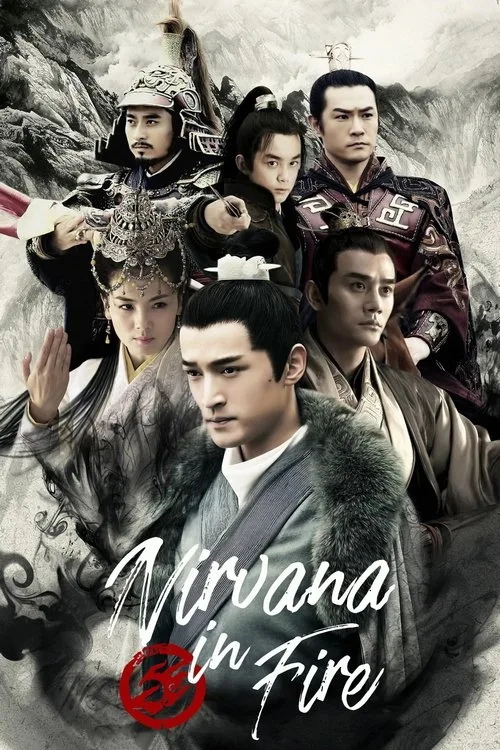
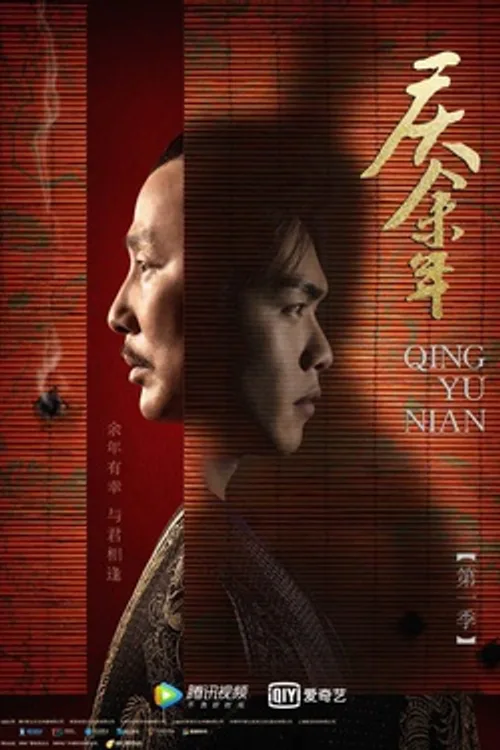
Nirvana in Fire is the clearest catalogue landmark — Hu Ge won Best Actor and Kong Sheng & Li Xue won Best Director at the 22nd Magnolia Awards (2016), with nominations for Best Television Series and supporting categories. Joy of Life earned Best Television Series nominations in 2020 and again for its second season cycle in 2025. More Chinese Magnolia winners will be indexed as they enter the Celluloid TV catalogue.
How do Magnolias relate to Asia’s wider awards map?
Film and TV prestige travel different circuits. For cinema, see the Asian Film Awards, Golden Horse, and Citra Awards. For national film vs fan-voted TV shows across Indonesia, Malaysia, and Pakistan — and where Magnolias fit as China’s jury benchmark — read Asia’s national film and TV awards. For the decade’s defining Asian series, filter /best/asia-2016-2026/ or browse China.
Magnolia Awards FAQ
Are the Magnolia Awards the same as the Shanghai International Film Festival?
No. The Shanghai Television Festival hosts the Magnolias. The Shanghai International Film Festival (SIFF) is a separate film event. Confusing the two is common in English coverage — Celluloid keeps them distinct.
Who judges the Magnolia Awards?
An industry jury of directors, producers, writers, and actors — not public SMS or app voting for the core craft categories. That is the prestige differentiator versus fan-driven telecasts.
What did the 2026 Magnolias recognize?
The 31st ceremony (June 2026) crowned Swords into Plowshares Best TV Series (China) among other categories, with more than 1,000 entries from 60 countries. As those series enter Celluloid with scores, they will appear on /awards/magnolia-awards/.