The Great Beauty (2013) Review: Rome's Glittering Emptiness
The Great Beauty is Paolo Sorrentino's dazzling, melancholy portrait of an ageing Roman socialite, a Fellini-inspired drama that finds grief beneath the party.
★★★★½ 4.5/5
Yes. It is a lush, witty and moving modern Italian classic for viewers who enjoy mood, image and ideas more than plot; impatient viewers may find it indulgent.
Is The Great Beauty worth watching?
Yes. The Great Beauty is a ravishing, bittersweet film about ageing, vanity and the search for meaning, and one of the finest European dramas of its decade. Paolo Sorrentino shoots Rome as a city of impossible beauty and hollow parties, and Toni Servillo’s performance as a weary society writer gives the spectacle a wounded heart. The reservation is its loose, episodic form: it drifts by design, and viewers who need a strong narrative may find its two-plus hours self-indulgent.
What is The Great Beauty about?
The Great Beauty follows Jep Gambardella (Servillo), a journalist who once wrote a celebrated novel and has spent the decades since as the charming king of Rome’s high society. His 65th birthday party, a rooftop bash of thumping music and bronzed guests, leaves him with an uneasy question: what has all this pleasure amounted to? In the days that follow he wanders the city’s salons, nightclubs, churches and palazzi, observing its artists, aristocrats and hangers-on with a mixture of affection and contempt.
Carlo Verdone plays one of Jep’s oldest friends, a gentle, struggling writer, and Sabrina Ferilli a woman who offers him an unexpected connection. Sorrentino directs from an original screenplay. It is an Italian production in Italian, runs 141 minutes, premiered in competition at Cannes in 2013 and went on to win the Academy Award for Best Foreign Language Film.
Sorrentino’s Rome is the leading lady
Few modern films have looked this rich. The camera glides through Renaissance courtyards at dawn, drifts over the Tiber and slips into candlelit rooms where ancient art hangs beside dozing guests. The cinematography, which won a David di Donatello, turns the city into both a museum and a mirror, a place so saturated with history that its present-day inhabitants seem trivial by comparison.
The soundtrack is just as deliberate, cutting between sacred choral music and pulsing Europop so that transcendence and trash sit side by side. That juxtaposition is the film’s central idea. Its party scenes are exhilarating and faintly grotesque; its quiet moments in empty churches are hushed and sincere.
Servillo’s tired, sharp-eyed witness
Servillo is extraordinary. Jep is witty, elegant and cruel when he needs to be, and one of the film’s best scenes has him calmly dismantling a friend’s pretensions at a dinner party. Yet Servillo lets exhaustion show through the charm: a smile held a second too long, a glance at the ceiling when someone talks about art or authenticity. He plays a man who has become an expert in surfaces and suspects he has missed the point.
Verdone brings unexpected tenderness as a friend who has never quite succeeded, and Ferilli’s warmth provides a counterweight to the jaded crowd. The satire of Rome’s cultural elite, from pretentious performance artists to a Church more interested in recipes than faith, is sharp and often very funny.
Fellini’s shadow, and the risk of excess
The Great Beauty wears its debt to Federico Fellini openly. Its structure of wandering episodes and its portrait of Roman decadence recall La Dolce Vita, and its mix of memory and artistic crisis echoes 8½. Sorrentino is steeped in that tradition rather than merely copying it, but the comparison is unavoidable, and some viewers will find his flourishes more ornamental than Fellini’s.
The film can also be too much of a good thing. At 141 minutes, some set pieces overstay their welcome, and a few satirical targets are easy ones. Its critique of emptiness occasionally risks becoming a very beautiful example of it.
Who should watch The Great Beauty?
It is made for viewers who love European art cinema, Rome itself, or films about memory and regret. It rewards a relaxed evening and a willingness to follow mood rather than plot. There is nudity, drug use and frank talk about sex, but little violence; the tone is reflective rather than shocking.
More Italian drama to pair with it:
- La Dolce Vita, Fellini’s original tour of Roman nightlife and the clearest ancestor of Sorrentino’s film.
- 8½, another portrait of an artist in creative and spiritual crisis.
- The Leopard, Visconti’s grand elegy for an aristocracy aware its world is passing.
The verdict
The Great Beauty is a sumptuous, funny and quietly heartbreaking film about a man realising how much of his life has been spent at parties. Its indulgences are real, but Servillo’s performance and Sorrentino’s vision of Rome make it an essential modern Italian film.
Rating: 4.5/5
Availability is a catalogue snapshot and can change. Confirm with the provider in your region.
Where to watch The Great Beauty
Streaming: HBO Max
Rent: Amazon Video, Apple TV, Google Play, YouTube, Fandango at Home
Buy: Amazon Video, Apple TV, Google Play, YouTube, Fandango at Home
By region: HBO Max in the United States; Disney+, MUBI in the United Kingdom; HBO Max in Turkey; TVING in South Korea
Full scores and availability on the movie page.
If you liked The Great Beauty
Ranked by genre overlap and Celluloid Score. More movies like The Great Beauty →
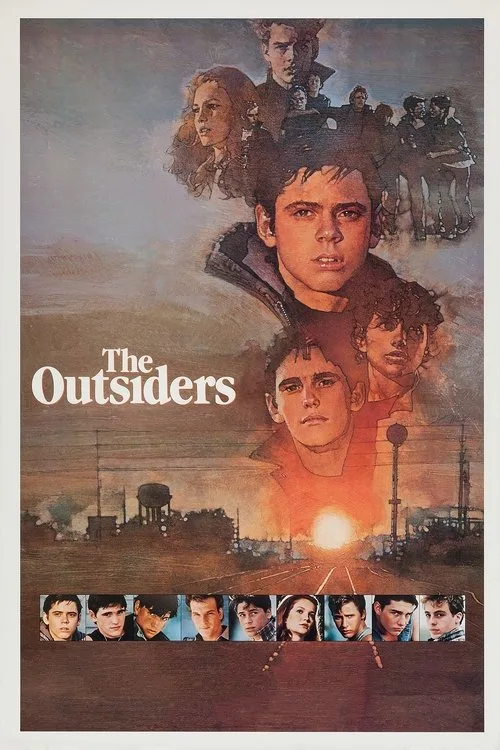
The Outsiders
Crime, Drama · 1h 31m
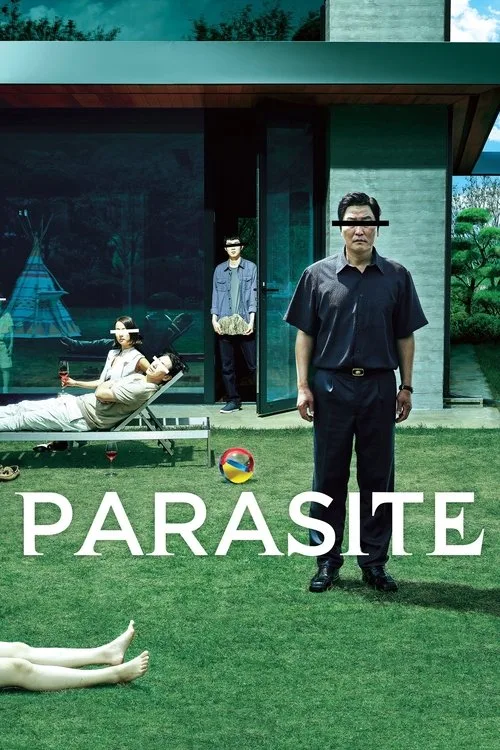 Cannes 2019
 Parasite
Thriller, Drama · 2h 12m
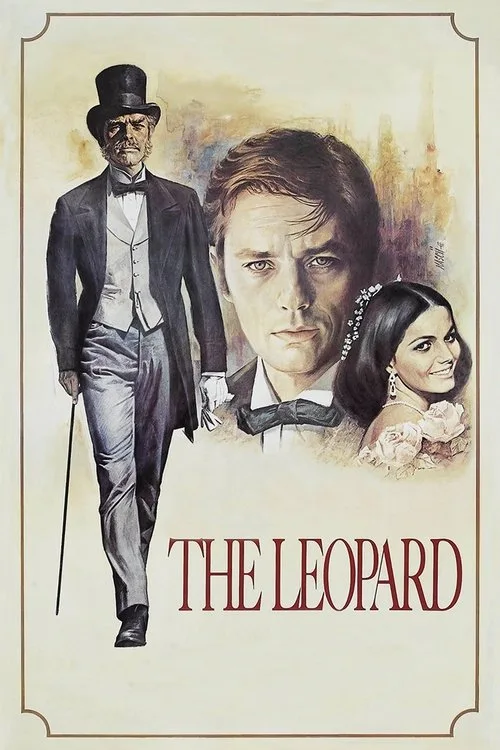 Cannes 1963
 The Leopard
Drama, History · 3h 5m
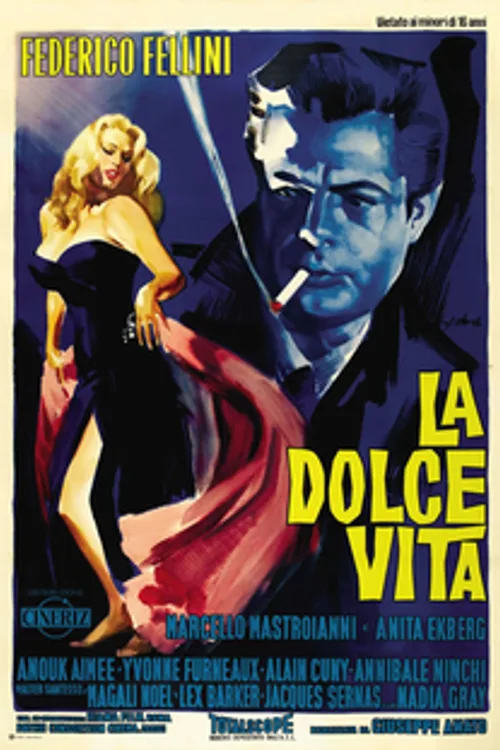 Cannes 1960
 La Dolce Vita
Drama · 2h 54m
Where can I watch The Great Beauty?
Streaming: HBO Max. Rent: Amazon Video, Apple TV, Google Play, YouTube, Fandango at Home. Buy: Amazon Video, Apple TV, Google Play, YouTube, Fandango at Home. Regional notes: HBO Max in the United States; Disney+, MUBI in the United Kingdom; HBO Max in Turkey; TVING in South Korea.