La Dolce Vita (1960) Review: Rome's Glittering Emptiness
La Dolce Vita is Federico Fellini's Palme d'Or-winning portrait of a Roman gossip columnist adrift among celebrities and parties, still dazzling and unsettling.
★★★★½ 4.5/5
Yes. It is one of the essential films of modern cinema, best for patient viewers ready to drift with an episodic, nearly three-hour tour of glamour and despair.
Is La Dolce Vita worth watching?
Yes. La Dolce Vita is a landmark of world cinema, a gorgeous and quietly devastating picture of a society that confuses excitement with meaning. Federico Fellini’s tour of Roman nightlife is full of images that became cultural shorthand, and Marcello Mastroianni’s performance as a charming, drifting journalist remains magnetic. The reservation is its form: at 174 minutes and built from loosely linked episodes rather than a plot, it asks for patience and rewards viewers who are happy to wander with it.
What is La Dolce Vita about?
Marcello (Marcello Mastroianni) writes celebrity gossip for a Rome newspaper and dreams, vaguely, of becoming a serious writer. Over a series of days and nights he moves through the city’s fashionable world: aristocratic parties, nightclubs, press scrums and chance encounters. He trails a wealthy, bored heiress (Anouk Aimée), escorts a visiting Hollywood star (Anita Ekberg) around the city, and keeps returning to a possessive girlfriend at home, always looking for something that the next night might finally give him.
La Dolce Vita is directed by Fellini, an Italian production in Italian, and runs 174 minutes. It won the Palme d’Or at the 1960 Cannes Film Festival and became one of the most talked-about films of its era, both a critical triumph and a scandal in its home country.
A city of spectacle, shot like a dream
Fellini and cinematographer Otello Martelli fill the widescreen black-and-white frame with crowds, flashbulbs and elegant architecture, and the result has an almost hypnotic grandeur. The opening image of a statue of Christ being carried over Rome by helicopter sets the tone: sacred and profane, public and absurd, all at once.
The most famous sequence, Ekberg wading into the Trevi Fountain at night, is often reproduced as pure romance. Seen in context, it is more complicated: enchanting and slightly ridiculous, a moment of beauty that Marcello can admire but never quite reach. That double quality runs through the film. The parties are glamorous and hollow, the crowds excited and cruel, and Nino Rota’s lilting score makes the whole thing feel like a carnival on the edge of melancholy.
Fellini also gave the world a word. Marcello’s photographer companion is named Paparazzo, and his swarming colleagues gave celebrity photographers a name that stuck.
Mastroianni’s charming void
The film’s power depends on Mastroianni, and he is superb. His Marcello is handsome, clever and warm, easy company in any room, and yet something in him is always absent. He is a spectator of his own life, drifting toward whoever or whatever promises a feeling. Mastroianni never begs for sympathy and never judges the character either, which lets the audience recognise its own appetites in him.
Around him, Aimée and Ekberg create two very different images of desire, and the supporting cast of aristocrats, intellectuals and hangers-on gives the film its sense of a whole social world in motion.
Where the drift becomes demanding
La Dolce Vita’s episodic shape is essential to its meaning, but it is also a hurdle. There is no conventional narrative arc, some sequences run long, and the rhythm can feel repetitive to modern viewers who expect story beats. The film’s cool, observing distance can also read as detachment. Those who give themselves to its mood will find it hypnotic; those looking for plot may find the three hours heavy going.
Who should watch La Dolce Vita?
It is essential for anyone building a knowledge of classic cinema and a rewarding watch for viewers who enjoy films about ideas, atmosphere and character over plot. Plan for a long evening or split it across two sittings along its episodes. Content is mild by modern standards, though it deals frankly with infidelity, emptiness and despair.
Where to go next:
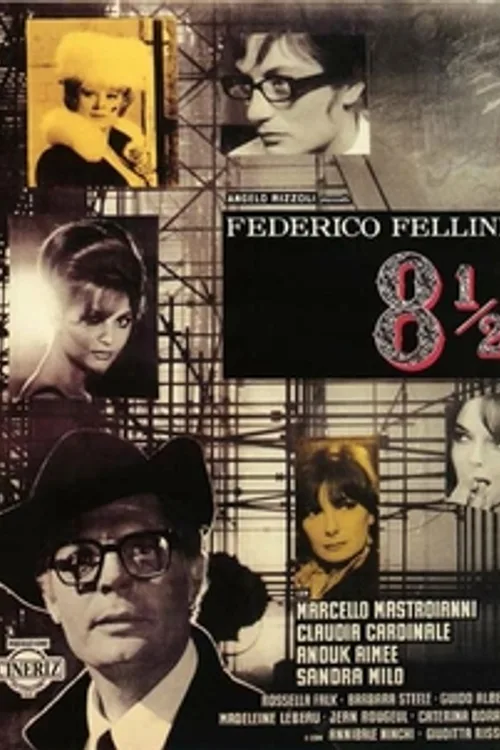
- 8½, Fellini’s next great film with Mastroianni, which turns the same restlessness inward on an artist’s crisis.
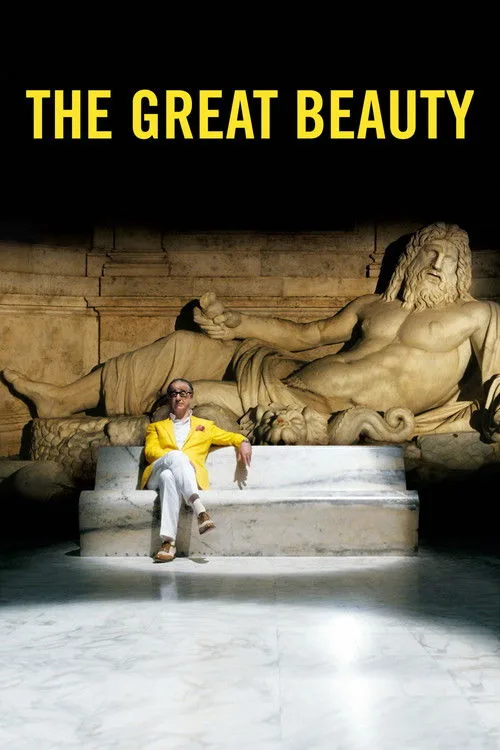
- The Great Beauty, Paolo Sorrentino’s modern Roman drama that openly converses with Fellini’s vision.
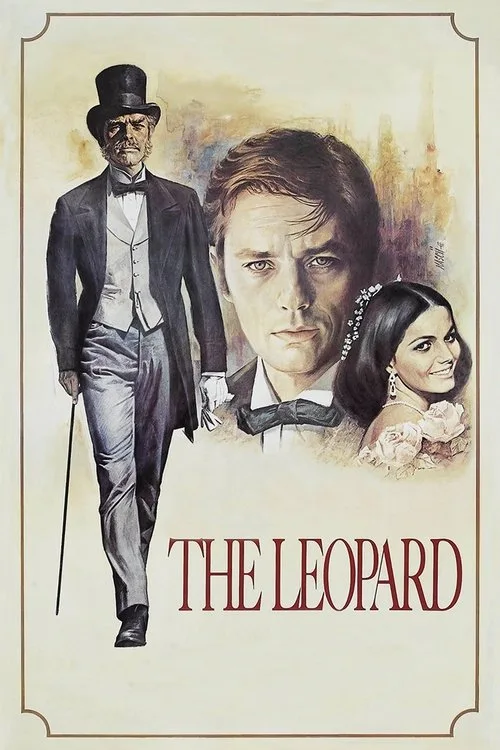
- The Leopard, Luchino Visconti’s lavish study of another Italian elite losing its purpose.
The verdict
La Dolce Vita remains dazzling, funny and profoundly sad, a portrait of celebrity culture made at the moment that culture was being born. Its length and meandering structure make it a commitment, but few films repay it so richly. It deserves its place among the greats.
Rating: 4.5/5
If you liked La Dolce Vita
Ranked by genre overlap and Celluloid Score. More movies like La Dolce Vita →
Where can I watch La Dolce Vita?
Regional notes: U-NEXT in Japan.