The Furious Review: Kenji Tanigaki's Tokyo Action Sprint Is 93% Lean Fury
Xie Miao and Joe Taslim anchor Kenji Tanigaki's one-night Tokyo actioner — 93% critics, 88% audiences, and hand-to-hand cinema that embarrasses Hollywood chase films.
★★★★☆ 4/5
Essential Japan action on Best of 2026 — martial-arts clarity over CGI bloat.
Is The Furious worth importing attention for?
Absolutely — Tanigaki’s 93% Tomatometer actioner is the midyear surprise Variety and Collider both flagged, and the scores are not genre inflation. The Furious corrects director credit to Kenji Tanigaki and cast to Xie Miao and Joe Taslim — not the Masataka Kubota ensemble early listings claimed. A retired enforcer is pulled back when a young courier he once protected is marked for death over a stolen ledger. The rescue becomes a single-night sprint through neon districts, parking garages, and bathhouses — hand-to-hand combat staged as moral accounting. Metascore 78, Letterboxd 3.7, and IMDb 7.4 sit alongside 88% Popcornmeter proof that audiences wanted exactly this lane.
Tanigaki’s fight geography
Tanigaki, renowned as action director across Asian cinema, treats each fight as geography lesson — you always know where bodies are in space, which limb is blocked, which exit is closing. Xie Miao carries physical storytelling with economy; Joe Taslim brings international martial-arts credibility without overshadowing the lean narrative. The 100-minute runtime refuses third-act CGI bloat; bruises accumulate, stamina depletes, morality sharpens. Sound design emphasizes impact and breath rather than score drowning. The bathhouse sequence alone justifies theatrical viewing — steam as curtain, tiles as obstacle, intimacy as danger.
Why the stunt work lands
Toho’s international rollout treated the film as genre event rather than arthouse afterthought — correct instinct given the action clarity on display. Tanigaki choreographs each sequence as moral argument: who initiates violence, who escalates, who pays the physical price. Xie Miao’s retired enforcer carries regret in shoulders before dialogue announces it; Taslim’s physical language complements rather than competes. Neon districts, parking garages, and bathhouses each impose different spatial rules on combat — stairwells favor grappling, open lots favor pursuit, steam rooms favor close-quarters desperation. The stolen ledger MacGuffin is thin by design; the film invests in bodies instead of plot machinery. Toho’s sound mix deserves praise — impacts register, breath registers, silence before a strike registers. For viewers fatigued by franchise third-act skyscrapers, Tanigaki’s ground-level fury is tonic.
How does the action compare internationally?
Hand-to-hand clarity and weight — no shaky-cam confusion, no franchise bloat. On Best of 2026, The Furious anchors Japan alongside any international action pick. Compare with Kaiser Khan’s Is God Is at /compare/the-furious-2026/vs/is-god-is/ — revenge road trip versus urban rescue sprint. Kaiser Khan’s Pressure covers WWII deliberation from the UK lane — war room versus back alley, both about decisions under countdown.
Theatrical note
Wide enough for genre fans at midyear — seek the biggest screen available; Toho’s usual streaming cycle follows. The film delivers exactly what the title promises: fury with form.
Verdict
Certified Fresh action essential — Kaiser Khan’s pick for anyone building a non-English midyear shortlist beyond festival darlings. The Furious puts Hollywood chase films to shame by remembering that clarity is spectacle. Xie Miao and Joe Taslim deserve international follow-up work after this — their chemistry is physical, not sentimental. Import the attention; Toho did the hard part by funding lean fury instead of bloated franchise. The bathhouse sequence alone has already entered action-nerd conversation for its clarity under steam — seek a good screen. Tanigaki’s name on the poster is promise kept, not bait. Japan action rarely clears 93% critics; savor it while the theatrical window holds.
Availability is a catalogue snapshot and can change. Confirm with the provider in your region.
Where to watch The Furious
Not confirmed on major subscription platforms in our US baseline — check regional listings.
Rent: Amazon Video, Apple TV, Google Play, YouTube, Fandango at Home
Buy: Amazon Video, Apple TV, Google Play, YouTube, Fandango at Home
Full scores and availability on the movie page.
If you liked The Furious
Ranked by genre overlap and Celluloid Score. More movies like The Furious →

Curse of the Golden Flower
Action, Drama · 1h 54m
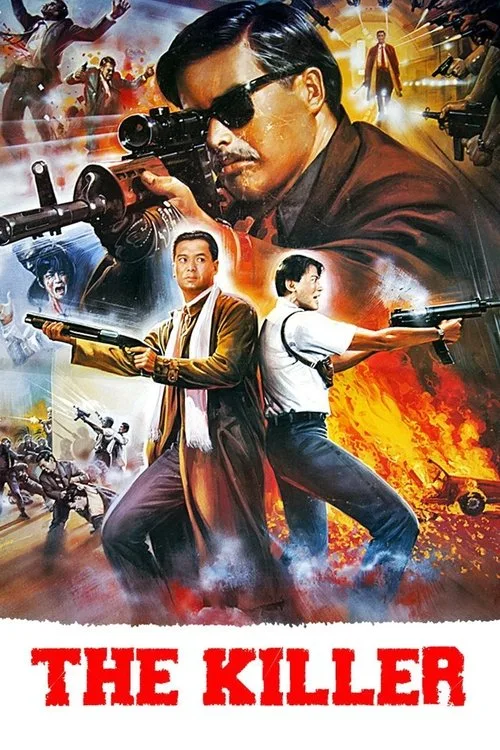 HKIFF 1989
 The Killer
Action, Crime · 1h 50m
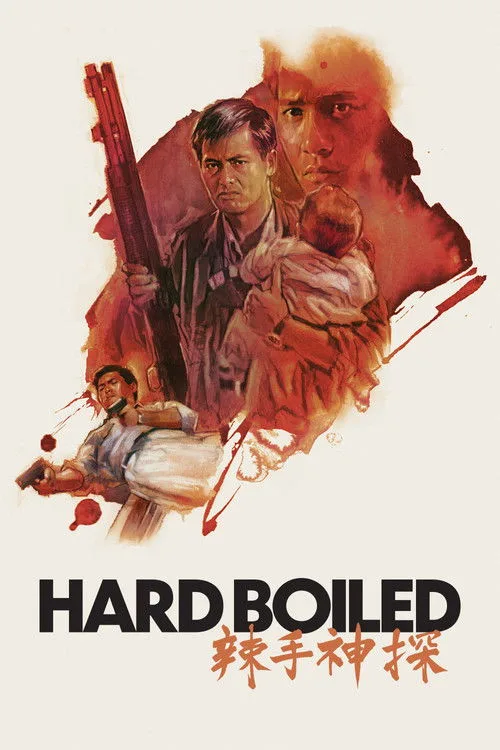 HKIFF 1992
 Hard Boiled
Action, Thriller · 2h 6m
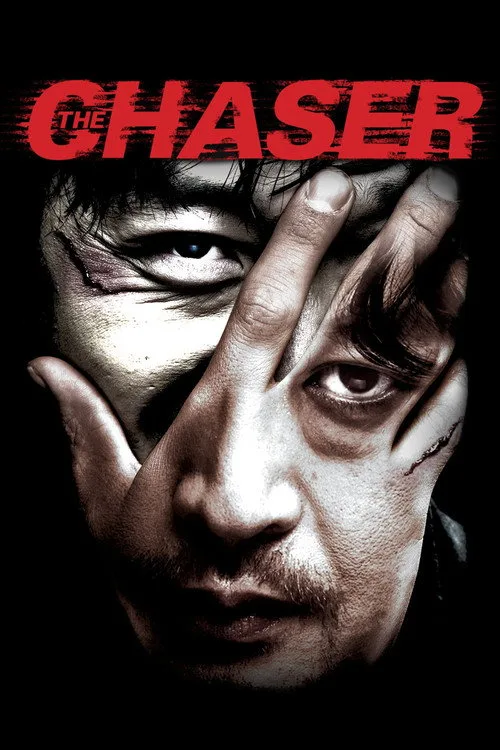 Busan 2008
 The Chaser
Crime, Thriller · 2h 5m