High and Low (1963) Review: The Price of Doing Right
Akira Kurosawa turns a kidnapping into a test of responsibility, then widens the frame to an entire city. A spoiler-free review of the staging, police investigation and Toshiro Mifune's performance.
★★★★☆ 4/5
An outstanding moral thriller and police procedural. High and Low is compelling for its precise staging and difficult central choice, though its methodical investigation asks for patience after the urgent opening.
Is High and Low worth watching?
Yes. High and Low is a superb thriller about what a moral decision costs when it must be paid for in actual money. Akira Kurosawa begins with the concentrated tension of a household crisis, then follows the consequences into streets, workplaces and a collective investigation. The film’s changing scale is part of its meaning: a private dilemma exists within a city that the wealthy protagonist can usually keep at a distance.
Its power comes from refusing an easy distinction between commercial intelligence and personal decency. Kingo Gondo understands the value of his business and the effort invested in it. The film does not ask the audience to pretend that losing it would be painless. Instead, it establishes the cost carefully enough that doing the right thing cannot remain an inexpensive opinion.
The moral problem at the centre
Gondo is an executive in the shoe business, preparing a risky move to secure control over his professional future. A kidnapping demand intrudes on those plans. A crucial development changes his relationship to the threatened child and makes the decision more complicated than an instinctive effort to protect his own interests.
That complication is the premise, not the review’s invitation to list subsequent twists. What matters is that several obligations come into conflict. Money already committed to one purpose is demanded for another. His family, colleagues, employees and the police occupy the same room, but they do not stand to lose the same things.
Kurosawa allows the problem to remain uncomfortable. A correct public answer is available much earlier than an emotionally bearable private one. The drama lies in watching that gap, including how the people around Gondo speak when he is capable of deciding their future but cannot yet decide his own.
A living room with nowhere to hide
Much of the opening unfolds inside Gondo’s modern home above the city. The broad frame contains clusters of people whose arrangement shifts as information arrives. A person standing apart can feel more exposed than someone speaking at the centre. The film generates movement by changing relationships within the image, rather than repeatedly cutting to a new angle for emphasis.
The curtains and windows become practical parts of the suspense. They also define a relationship to the outside world: the view that makes the home desirable exposes the difference between those looking down and those living below. The title’s spatial contrast is therefore present as a working condition of the story before it becomes an interpretation.
Toshiro Mifune anchors this space with physical authority. His Gondo does not begin as an approachable moral example. He is forceful, proud and accustomed to making consequential decisions. As circumstances restrict his options, that strength becomes difficult to distinguish from stubbornness. The performance is compelling because his vulnerability has to emerge through habits built to conceal it.
Why the police investigation matters
The film eventually opens out into procedural detail. Investigators compare observations, reconstruct movements and follow partial leads. The shift may initially feel like the loss of the intimate drama that made the opening so urgent. It is also how Kurosawa asks the viewer to recognise a larger network of responsibility.
The investigation belongs to a group. Different people have pieces of knowledge; progress depends on their ability to combine them. That collective method contrasts with Gondo’s concentrated decision-making power. Practical competence becomes dramatic: a detail matters because someone noticed it, remembered it and connected it with another person’s work.
As the camera moves through the city, social distance becomes less controllable. Trains, streets and night-time spaces show kinds of proximity that the hilltop house can filter out. The film does not turn every location into a lesson, but the variety changes how the viewer understands the comfort of the opening room. By the later stages, that room no longer feels like a complete account of the world.
Sound, pace and the pressure of information
Telephone calls interrupt conversations that were difficult enough before the interruption. A voice can command the room without sharing its risks. Because information arrives unevenly, waiting is itself active: a character’s attempt to stay composed can reveal more than another speech.
The pacing becomes more methodical as the police take over. Maps, briefings and reconstruction ask the audience to follow a process instead of simply anticipate another threat. That is a strength for viewers who enjoy investigative cinema, but it is a real change in the viewing contract. The film is most satisfying when approached as both a moral chamber drama and a procedural, rather than judging the latter only by the former’s tempo.
What works less smoothly
Some investigative exposition is functional rather than elegant. Contemporary viewers used to compressed police narratives may find the careful sharing of information repetitive. The film also leaves less space for the women in Gondo’s household than for his crisis and the male investigators’ work. Their responses matter, but their independent perspectives are less fully developed.
These limitations do not undo the achievement. Kurosawa’s command of space keeps long passages visually purposeful, and the investigation changes the ethical scale of the story. The film is not merely delaying an answer it could have supplied sooner; it is changing the terms on which that answer will be understood.
The verdict and who it suits
High and Low is an excellent choice for viewers who like precise suspense, moral dilemmas and investigations built from accumulated detail. It contains kidnapping, threats to a child and disturbing material associated with the criminal investigation. It is not a relaxed family mystery, even when the violence is less visually explicit than in many later thrillers.
For a contemporary companion, Parasite also uses domestic architecture to examine class, but with a more unstable comic register. For Kurosawa working on a smaller personal scale, try Ikiru. The High and Low film page provides credits and the site’s score breakdown. The reason to watch remains the difficult, beautifully staged question at its centre: what survives of our principles when acting on them can change the rest of our lives?
Sources & further reading
References for credits, release details and production context. The critical assessment above is Celluloid’s.
Availability is a catalogue snapshot and can change. Confirm with the provider in your region.
Where to watch High and Low
Streaming: HBO Max
Rent: Amazon Video, Apple TV, Fandango at Home
Buy: Amazon Video, Apple TV, Fandango at Home
By region: HBO Max in the United States; BFI Player in the United Kingdom; U-NEXT in Japan
Full scores and availability on the movie page.
If you liked High and Low
Ranked by genre overlap and Celluloid Score. More movies like High and Low →
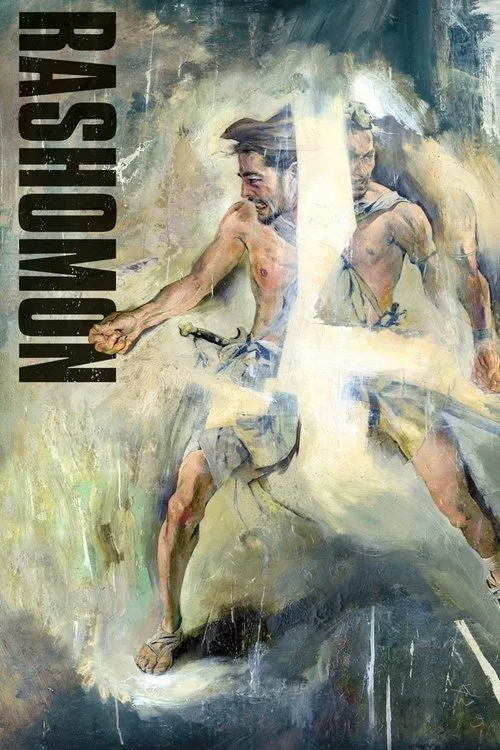 Venice 1951
 Rashomon
Crime, Drama · 1h 28m
 Cannes 2018
 Shoplifters
Drama, Crime · 2h 0m
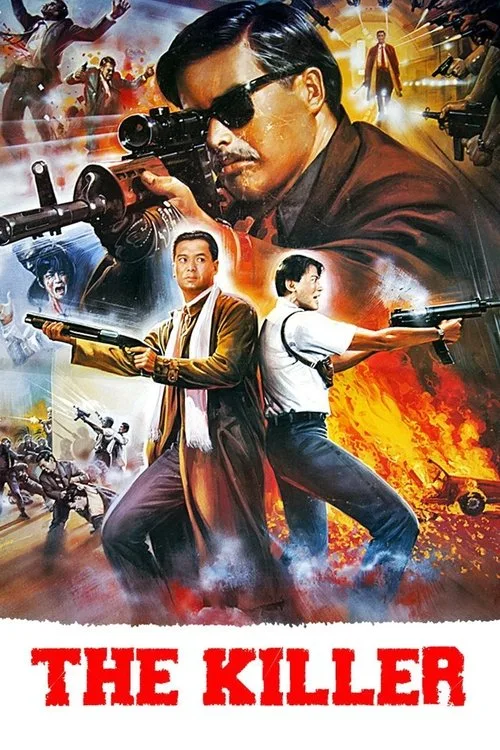 HKIFF 1989
 The Killer
Action, Crime · 1h 50m
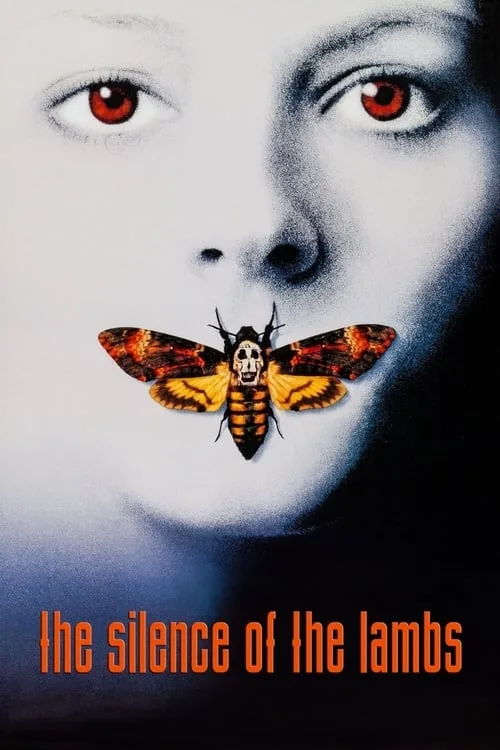 Featured
 The Silence of the Lambs
Crime, Thriller · 1h 59m
Where can I watch High and Low?
Streaming: HBO Max. Rent: Amazon Video, Apple TV, Fandango at Home. Buy: Amazon Video, Apple TV, Fandango at Home. Regional notes: HBO Max in the United States; BFI Player in the United Kingdom; U-NEXT in Japan.