Rashomon (1950) Review: The Truth in Pieces
Rashomon is Akira Kurosawa's compact drama of a forest crime told by witnesses who cannot agree, the 88-minute film that made the world look at Japanese cinema.
★★★★½ 4.5/5
Yes. It is essential for anyone curious about film history and still gripping as a puzzle about truth, though its theatrical acting takes a few minutes to adjust to.
Is Rashomon worth watching?
Yes. Rashomon is one of the landmark films of the twentieth century, and it is also a lean, gripping 88-minute mystery that still feels modern in the questions it asks. Akira Kurosawa takes a single violent incident in a forest and lets several witnesses tell it differently, turning a crime story into an inquiry into how people lie to protect themselves. The main adjustment for new viewers is the heightened, often theatrical acting, which can feel strange before the film’s design makes sense of it.
What is Rashomon about?
In medieval Japan, a woodcutter, a priest and a passing commoner take shelter from a downpour under the ruins of the great Rashōmon gate. The woodcutter and the priest are shaken by what they have heard at a court inquiry into a crime in the woods: a samurai (Masayuki Mori) found dead, his wife (Machiko Kyō) assaulted, and a notorious bandit, Tajōmaru (Toshirō Mifune), taken into custody. As they talk, the film replays the testimony, and each account of the same encounter differs in ways that flatter the teller.
Rashomon was directed by Akira Kurosawa, who adapted it with Shinobu Hashimoto from two stories by Ryūnosuke Akutagawa. It is in Japanese and runs 88 minutes. Its Golden Lion at the 1951 Venice Film Festival, followed by an honorary Academy Award, opened international audiences to Japanese cinema almost overnight.
A mystery with no floor
The structure is the film’s great idea, and it has been borrowed so often that the phrase “Rashomon effect” now names it. What keeps the original sharper than its imitators is that Kurosawa is not interested in a clever twist. Each version is staged with the same conviction, so the audience cannot simply spot the liar; instead, the question shifts from what happened to why each witness needs it to have happened that way. Pride, shame and self-image turn out to be as powerful as any physical evidence.
The courtroom scenes are staged with bold simplicity. Witnesses face the camera directly, addressing an unseen judge who is, in effect, the viewer. It puts the audience in the position of deciding, and then denies them the comfort of a verdict.
Light through the leaves
Kazuo Miyagawa’s black-and-white cinematography is still startling. In the forest scenes, the camera tracks through trees and looks straight up into the sun, a daring choice for its time, and dappled light plays across faces so that no one is ever fully in the clear. The contrast with the frame story’s grey, pounding rain and the stillness of the courtyard gives the film three distinct textures, each with its own mood. Fumio Hayasaka’s insistent, bolero-like score pushes the forest sequences toward something close to a fever.
Performances built to be unreliable
Toshirō Mifune’s Tajōmaru is a whirlwind of swagger, laughter and animal restlessness, and it is the performance most viewers remember. It can look excessive at first, but the excess is the point: this is a man performing himself for the court. Machiko Kyō shifts between fragility and fierceness depending on who is telling the story, a difficult task she handles with precision, and Masayuki Mori’s samurai is chillingly remote. Takashi Shimura, as the woodcutter, anchors the frame story with plain, troubled decency.
The limitation, for some, lies in that frame. Its dialogue spells out the film’s themes of human selfishness more directly than the forest scenes need, and its final note of moral hope is more conventional than the radical doubt that precedes it.
Who should watch Rashomon?
It is essential for film students, mystery fans and anyone who wants to understand why Kurosawa became a name the world knows. At under 90 minutes it is also one of the easiest entry points to classic Japanese cinema. The central crime involves a sexual assault and a killing, handled without graphic detail but discussed frankly, so it suits adults and older teenagers.
If it grips you, three natural follow-ups:
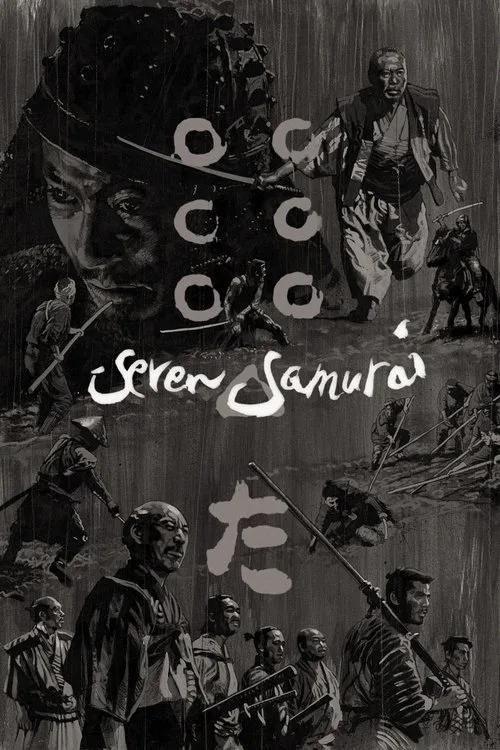
- Seven Samurai, where Kurosawa and Mifune expand into full-scale epic.
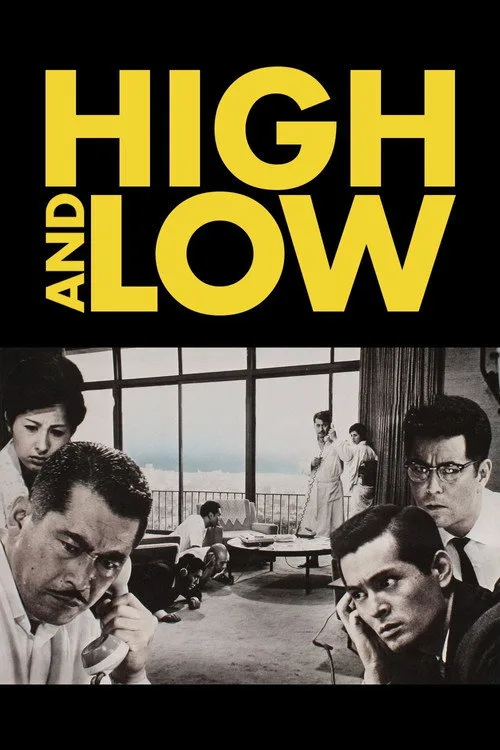
- High and Low, a modern crime drama in which Kurosawa again turns an investigation into a moral inquiry.
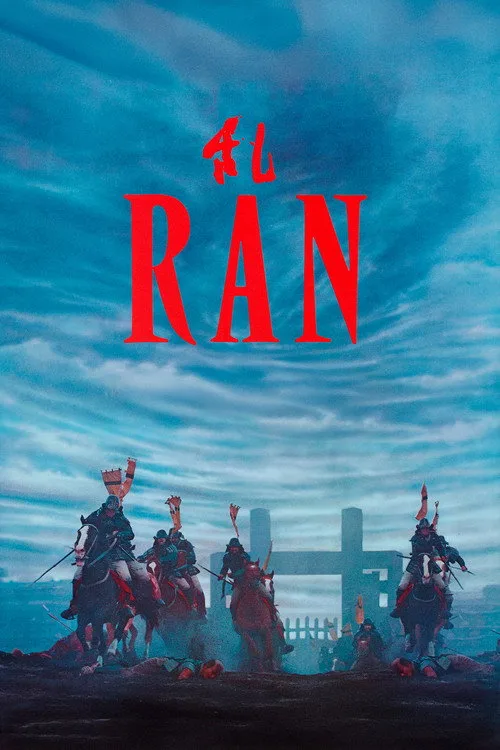
- Ran, his late colour masterpiece, for the full arc of a career that began its international life here.
The verdict
Rashomon is short, formally daring and still unsettling, a film that turned a forest crime into a lasting question about memory and self-interest. Its acting style and moralising frame may date it slightly, but its ideas and images are as sharp as they were in 1950.
Rating: 4.5/5
Availability is a catalogue snapshot and can change. Confirm with the provider in your region.
Where to watch Rashomon
Streaming: HBO Max
Rent: Amazon Video, Apple TV, Fandango at Home
Buy: Amazon Video, Apple TV, Fandango at Home
By region: HBO Max in the United States; BFI Player in the United Kingdom; U-NEXT in Japan
Full scores and availability on the movie page.
If you liked Rashomon
Ranked by genre overlap and Celluloid Score. More movies like Rashomon →
Where can I watch Rashomon?
Streaming: HBO Max. Rent: Amazon Video, Apple TV, Fandango at Home. Buy: Amazon Video, Apple TV, Fandango at Home. Regional notes: HBO Max in the United States; BFI Player in the United Kingdom; U-NEXT in Japan.