Ran (1985) Review: Kurosawa's King Lear in Flames
Ran is Akira Kurosawa's King Lear transplanted to feudal Japan, a vast, colour-drenched tragedy of a warlord and his sons that ranks among the great war films.
★★★★½ 4.5/5
Yes. It is late Kurosawa at full power, essential for lovers of epic cinema and Shakespeare, provided you can commit to nearly three hours of grim, stately tragedy.
Is Ran worth watching?
Yes. Ran is one of the most visually overwhelming films ever made, a samurai epic in which Akira Kurosawa, in his seventies, staged war on a scale few directors have matched. It takes the bones of King Lear and turns them into a tragedy about power, inheritance and violence that feels almost cosmic. The reservation is its severity: the pace is measured, the acting is stylised in the tradition of Noh theatre, and the bleakness is relentless across 160 minutes.
What is Ran about?
In sixteenth-century Japan, the ageing warlord Hidetora Ichimonji (Tatsuya Nakadai) decides to hand power to his three sons. The eldest, Taro (Akira Terao), will take the main castle and the title; the second, Jiro (Jinpachi Nezu), and the youngest, Saburo, will support him from their own strongholds. Hidetora expects gratitude and loyalty to follow. Only Saburo says aloud what is obvious, that sons raised in an age of betrayal will betray, and he is banished for his honesty. What follows is the slow collapse of a kingdom its founder built by the sword.
Ran is directed by Akira Kurosawa, who wrote it with Hideo Oguni and Masato Ide, drawing on Shakespeare and on the legend of the warlord Mōri Motonari. It is a Japanese-French co-production in Japanese, and it runs 160 minutes.
War painted in primary colours
Each son’s army carries its own colour, yellow, red and blue banners, and the device is more than decoration. It lets Kurosawa stage battles as vast moving compositions in which the audience can read the tide of a fight from a distance, like a painting coming to life. The colour-coding also makes the tragedy legible: when the banners mix and tangle, so does the family.
The film’s most famous passage is a siege in which the natural sound drops away and Toru Takemitsu’s mournful score plays over arrows, fire and slaughter. It is one of the great sequences in world cinema, simultaneously beautiful and horrifying, and it shows Kurosawa using spectacle to make violence unbearable rather than thrilling. Emi Wada’s costumes, which won an Academy Award, give every lord, soldier and servant an immediate visual identity.
Nakadai’s descent and Lady Kaede’s fury
Tatsuya Nakadai plays Hidetora under a mask-like make-up inspired by Noh, and the performance is as much physical as psychological. He begins as a figure of terrifying authority and is gradually stripped of everything that made him powerful, and Nakadai makes each stage of the fall feel earned. The stylisation takes a few scenes to adjust to, but it suits a film that sees its characters as figures in a myth.
The most electrifying presence, though, is Mieko Harada as Lady Kaede, the wife of the eldest son, whose family history with the Ichimonji clan gives her every reason for vengeance. Harada plays her with an icy stillness that erupts into ferocity, and her scenes are among the most gripping in any Kurosawa film. Peter, as the court fool Kyoami, provides the Lear-like counterpoint, mocking power with sad clarity.
The cost of that grandeur
Ran is not an easy film to love at first sight. It keeps the camera at a formal distance, rarely offering close-ups or intimacy, and its view of human nature is unrelentingly pessimistic. Viewers who come for the swordplay of Seven Samurai will find something colder and more philosophical, closer to a lament than an adventure. The patience it demands is repaid, but it is demanded.
Who should watch Ran?
It is essential for anyone interested in Kurosawa, Shakespeare on film, samurai cinema or epic filmmaking before digital effects, when thousands of extras and real castles filled the frame. Set aside close to three hours and, if possible, a large screen. The battles are bloody, with arrows, gunfire and killings shown directly, and the themes of betrayal and madness are dark, so it is best for adults and mature teenagers.
Next steps from the same shelf:
- Seven Samurai, Kurosawa’s most celebrated epic, warmer and more humane in its view of warriors.
- Harakiri, with a younger Tatsuya Nakadai in a devastating samurai drama about the lies behind honour.
- Rashomon, the earlier Kurosawa film that made the world pay attention to Japanese cinema.
The verdict
Ran is a monumental work: a Shakespearean tragedy reimagined through Japanese history, with battle scenes of staggering beauty and performances that feel carved in stone. Its coldness and length ask a lot, but few films have ever looked at power and its ruin with such scale and conviction.
Rating: 4.5/5
Availability is a catalogue snapshot and can change. Confirm with the provider in your region.
Where to watch Ran
Streaming: BFI Player
By region: BFI Player in the United States; StudioCanal Presents in the United Kingdom; Hulu, U-NEXT in Japan
Full scores and availability on the movie page.
If you liked Ran
Ranked by genre overlap and Celluloid Score. More movies like Ran →
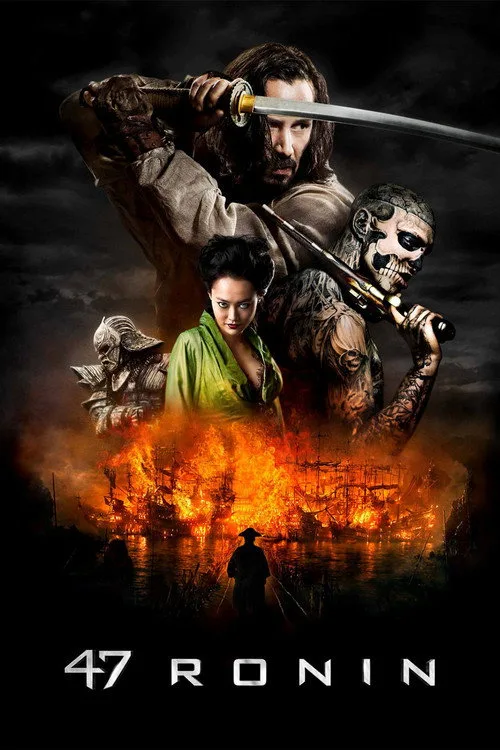
47 Ronin
Drama, Action · 1h 59m
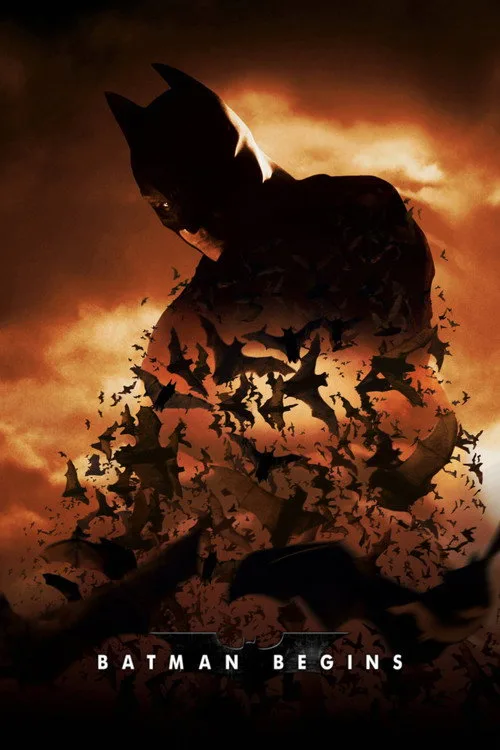 Featured
 Batman Begins
Drama, Crime · 2h 20m
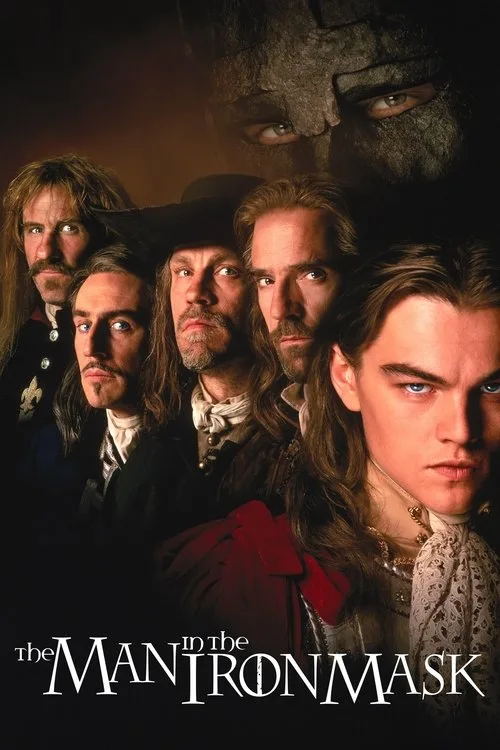
The Man in the Iron Mask
Adventure, Action · 2h 12m
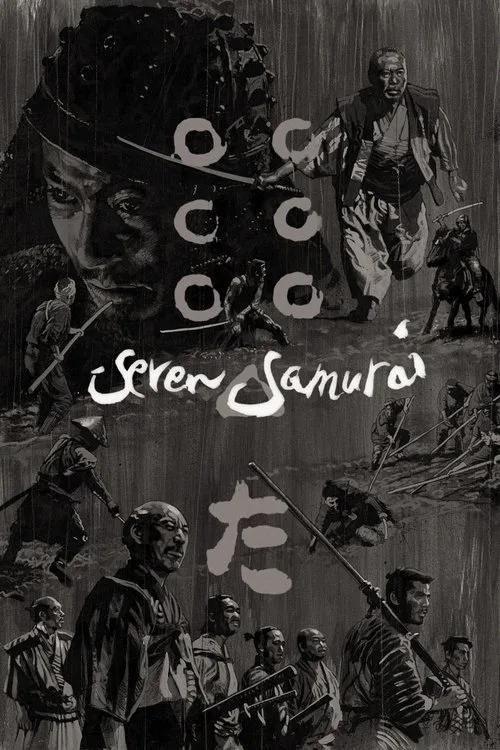 Venice 1954
 Seven Samurai
Action, Drama · 3h 27m
Where can I watch Ran?
Streaming: BFI Player. Regional notes: BFI Player in the United States; StudioCanal Presents in the United Kingdom; Hulu, U-NEXT in Japan.