Pressure Review: Andrew Scott and Brendan Fraser Hold D-Day in a Weather Report
Anthony Maras's D-Day weather drama puts Andrew Scott's meteorologist against Brendan Fraser's Eisenhower — 80% critics, 85% audiences, and a forecast that feels lethal.
★★★½☆ 3.5/5
Solid war procedural on Best of 2026 — United Kingdom drama that trades battlefield spectacle for the arithmetic of a forecast that had to be right.
Is Pressure worth seeing?
For WWII drama fans who prefer war rooms to beach landings, yes — Maras’s Focus Features release clears 80% critics and 85% audiences by making clouds feel as lethal as artillery. Pressure adapts David Haig’s play about seventy-two hours before D-Day, when Allied command faced a decision that could doom the invasion: launch June 6 despite brutal Channel weather, or postpone and risk losing surprise. Andrew Scott plays Scottish meteorologist James Stagg, whose forecast must convince Brendan Fraser’s General Eisenhower that the window is real. Kerry Condon and Damian Lewis fill the ensemble. Released May 29, 2026, the 100-minute UK/France co-production carries Metascore 70, Letterboxd 3.5, and IMDb 7.4.
Maras and the war-room frame
Haig’s play gives Maras a confined stage and he refuses to fake his way out of it — no cutaway battle montages to relieve tension, no composite CGI fleets to distract from faces. Production design on the command rooms is deliberately unglamorous: maps weighted with mugs, telephones that ring like verdicts, rain streaking windows while men argue about cloud cover. Maras, who proved his claustrophobia credentials on Hotel Mumbai, applies the same pressure-cooker grammar to a different kind of siege — one fought with barometers and telegrams instead of rifles. Scott’s Stagg is not a Hollywood hero; he is a man who understands that being right and being believed are separate wars. Fraser’s Eisenhower carries the film’s emotional mass — a leader who needs certainty from data that refuses to offer it. The cinematography favors tight interiors and faces lit like storm maps; sound design emphasizes rain on windows and the scratch of pencil on chart paper. Condon and Lewis provide the institutional chorus, but the film lives in the dyad between scientist and commander. This is procedural dread done with respect for boredom’s role in history. Scott’s Stagg carries the film’s conscience without saintliness — he is irritable, exhausted, aware that being right may not be enough. Fraser’s Eisenhower is the surprise: not imitation but embodiment of commander’s loneliness, the man who must sign other people’s death warrants while pretending sleep is possible. Condon and Lewis provide necessary institutional texture — aides, generals, politicians circling the forecast like vultures who also need to eat.
Why audiences outscore some critics
85% Popcornmeter beating the Tomatometer tells you who this film is for — viewers who wanted exactly this lane. Critics wishing for broader battlefield scope are measuring a different movie. Maras never promises Omaha Beach; he promises the room where Omaha was authorized or delayed. The 100-minute runtime is lean by design — any longer and the forecast debate would feel repetitive; any shorter and Stagg’s agony would not register. I found the final decision sequence genuinely gripping despite knowing the historical outcome. That is craft: making inevitability feel contingent again.
2026 war and drama context
On Best of 2026, Pressure sits below tentpoles but above empty nostalgia. Compare with Kaiser Khan’s The Furious for modern action versus historical deliberation — hand-to-hand sprint versus hand-wringing forecast. Kaiser Khan’s Send Help shares claustrophobic DNA in a different register entirely.
Verdict
Fresh procedural — Kaiser Khan’s May pick for viewers who liked Darkest Hour but wanted the scientist’s seat at the table. Pressure delivers exactly what the title promises: weight, not waves.
Availability is a catalogue snapshot and can change. Confirm with the provider in your region.
Where to watch Pressure
Streaming: Peacock
Rent: Amazon Video, Apple TV, Google Play, YouTube, Fandango at Home
Buy: Amazon Video, Apple TV, Google Play, YouTube, Fandango at Home
By region: Peacock in the United States
Full scores and availability on the movie page.
If you liked Pressure
Ranked by genre overlap and Celluloid Score. More movies like Pressure →

Dunkirk
War, Action · 1h 47m
 Featured
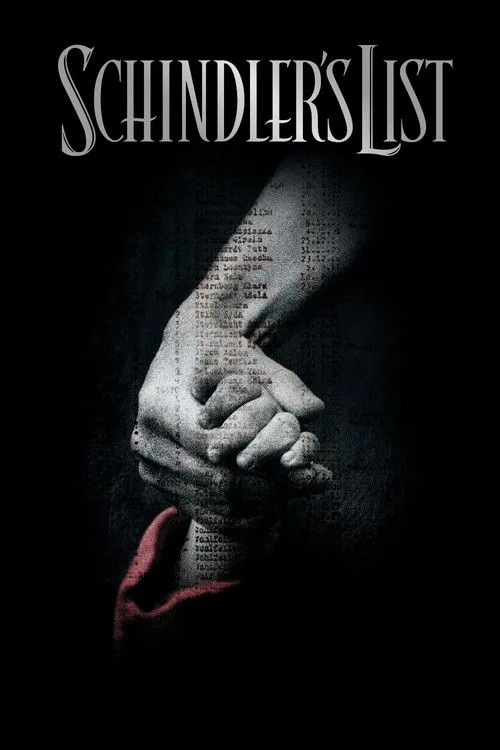
 Schindler's List
Drama, History · 3h 15m
 Featured
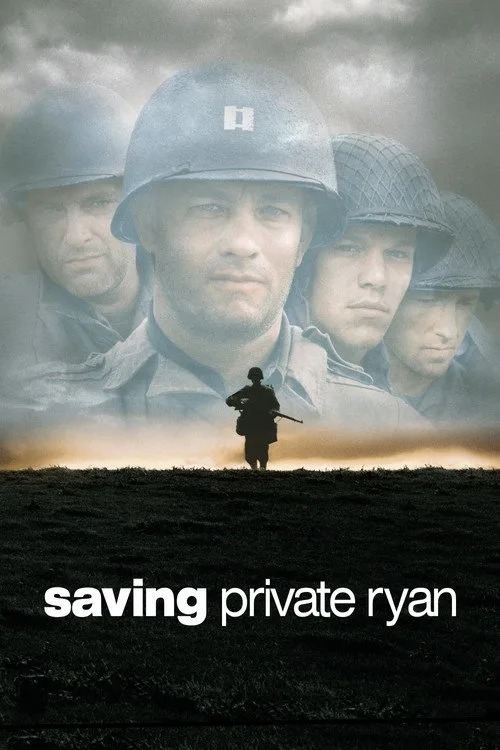
 Saving Private Ryan
War, Drama · 2h 49m
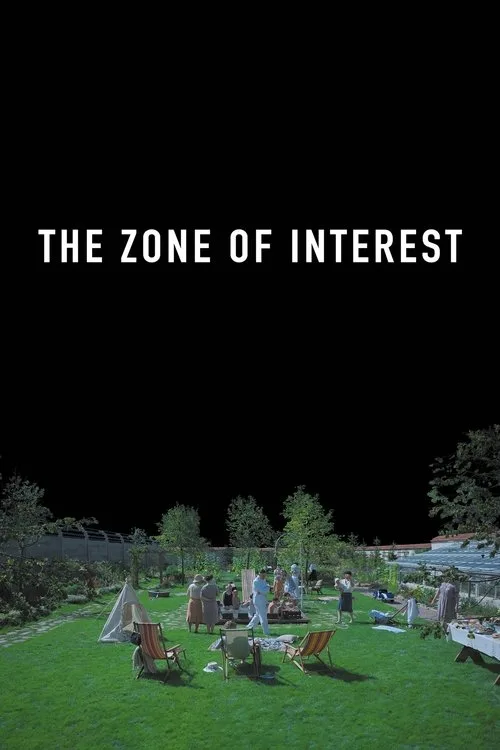 Cannes 2023
 The Zone of Interest
Drama, History · 1h 45m
Streaming: Peacock. Rent: Amazon Video, Apple TV, Google Play, YouTube, Fandango at Home. Buy: Amazon Video, Apple TV, Google Play, YouTube, Fandango at Home. Regional notes: Peacock in the United States.