The King's Speech (2010) Review: Finding a Royal Voice
The King's Speech is Tom Hooper's warm British drama about George VI's stammer and his unlikely therapist, lifted by superb turns from Colin Firth and Geoffrey Rush.
★★★★½ 4.5/5
Yes. It is a moving, funny and beautifully acted crowd-pleaser for almost any audience, even if its history is polished and its storytelling plays safe.
Is The King’s Speech worth watching?
Yes. The King’s Speech is a superbly acted, deeply satisfying drama that turns a private struggle with a stammer into a stirring story of courage and friendship. Colin Firth and Geoffrey Rush make one of the great screen double acts of its era, and the film finds real humour and tension in what could have been a dry royal biopic. The reservation is that it is a conventional, comforting film that smooths the edges of history, so viewers looking for boldness should adjust expectations.
What is The King’s Speech about?
The King’s Speech follows Prince Albert, Duke of York (Firth), the second son of King George V, whose severe stammer turns every public speech into an ordeal. In an age when radio is bringing royal voices into every home, his difficulty is both a personal torment and a public liability. After a string of failed treatments, his wife Elizabeth (Helena Bonham Carter) seeks out Lionel Logue (Rush), an Australian speech therapist with unorthodox methods and no respect for royal protocol.
As events push Albert towards a role he never wanted, and Britain edges towards war, the sessions with Logue become a test of trust between two men from very different worlds. Tom Hooper directs from a screenplay by David Seidler. It is a British production in English and runs 118 minutes. The film won the People’s Choice Award at the Toronto International Film Festival and the Academy Award for Best Picture, with further Oscars for Hooper, Firth and Seidler.
Firth and Rush, a perfect mismatch
The heart of the film is the relationship between patient and therapist, and both actors are superb. Firth captures the physical agony of the stammer with extraordinary precision: the locked jaw, the gulps of air, the humiliation in his eyes as silence stretches on. Just as importantly, he shows a man of temper, humour and pride, whose frustration makes his vulnerability all the more touching.
Rush gives Logue a playful, subversive energy. He insists on calling his royal patient “Bertie”, uses exercises that range from rolling on the floor to singing, and refuses to be intimidated. Their sessions are very funny, especially when Logue discovers that profanity helps Bertie speak fluently, but they also reveal two lonely men forming an unlikely bond. Bonham Carter adds wit and warmth as a wife who is fiercely loyal and privately worried.
Hooper’s intimate frame
Hooper makes the film visually distinctive in ways that support its theme. He often places Firth at the edge of the frame, dwarfed by walls and empty space, emphasising his isolation and anxiety. Logue’s consulting room, with its peeling wallpaper, becomes a place of freedom compared with the stiff grandeur of palaces. Close-ups of microphones take on an almost menacing quality, and the film builds genuine suspense around moments of public speaking. Alexandre Desplat’s gentle score keeps the emotions warm without drowning them.
A tidied-up history
The film’s weaknesses stem from its crowd-pleasing design. Its structure follows a familiar underdog arc, and the ending is never in doubt. Historians have pointed out that it compresses timelines and softens awkward realities, including the political sympathies of some figures and the role of certain politicians in the abdication crisis. Timothy Spall’s Churchill, in particular, verges on caricature. Viewers wanting a more complicated portrait of the monarchy on the brink of war will find it lacking.
Who should watch The King’s Speech?
It is ideal for anyone who enjoys character-driven historical drama, British period films or stories about friendship and overcoming adversity. It is also a fine family film for older children and teenagers, despite a few bursts of strong language used for comic and therapeutic effect. At just under two hours, it is an easy, rewarding evening.
For more British history on film:
- Dunkirk, which dramatises the wartime Britain the king’s speech would soon address, in a very different register.
- Belfast, Kenneth Branagh’s warm, personal British period drama about family and history.
The verdict
The King’s Speech is a polished, moving and often funny drama, carried by two exceptional performances and a genuinely stirring climax. Its history is simplified and its style conventional, but few films have made a struggle with speech so gripping and so human.
Rating: 4.5/5
Availability is a catalogue snapshot and can change. Confirm with the provider in your region.
Where to watch The King's Speech
Streaming: fuboTV, Paramount+
Rent: Amazon Video, Apple TV, Google Play, YouTube, Fandango at Home
Buy: Amazon Video, Apple TV, Google Play, YouTube, Fandango at Home
By region: fuboTV, Paramount+ in the United States; ITVX in the United Kingdom; Wavve, TVING in South Korea; U-NEXT in Japan
Full scores and availability on the movie page.
If you liked The King's Speech
Ranked by genre overlap and Celluloid Score. More movies like The King's Speech →
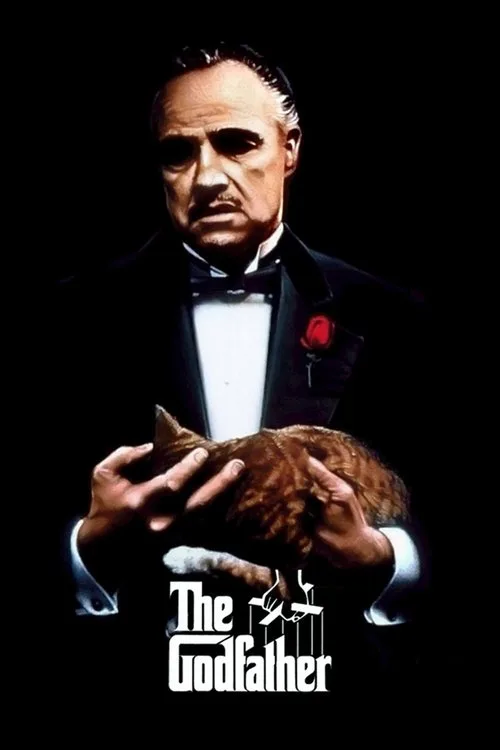
The Godfather
Crime, Drama · 2h 55m
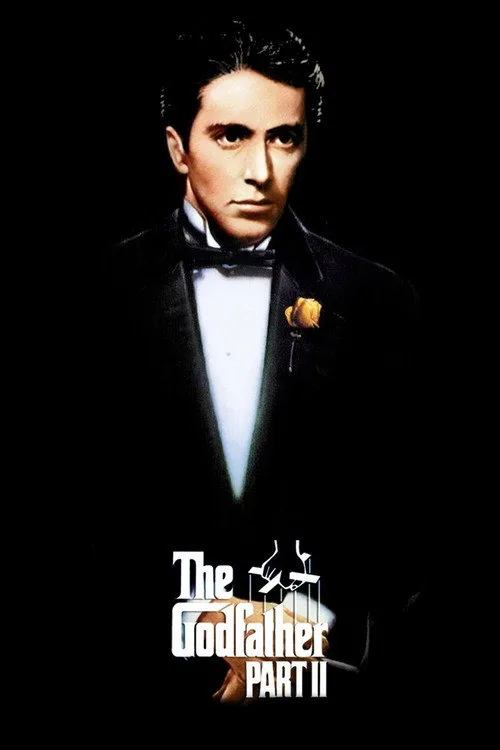 Featured
 The Godfather Part II
Drama, Crime · 3h 22m
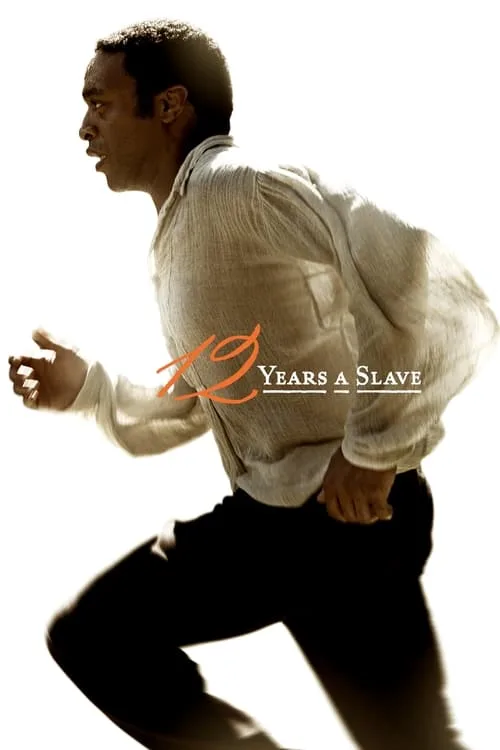 TIFF 2013
 12 Years a Slave
Drama, History · 2h 14m
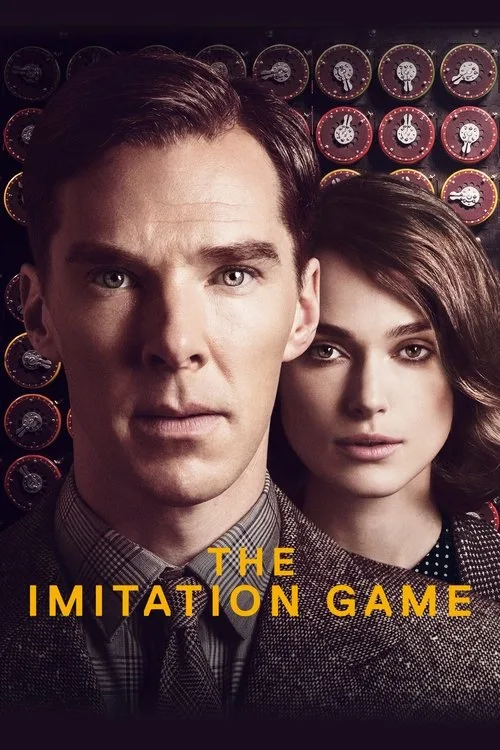 TIFF 2014
 The Imitation Game
History, Drama · 1h 53m
Where can I watch The King's Speech?
Streaming: fuboTV, Paramount+. Rent: Amazon Video, Apple TV, Google Play, YouTube, Fandango at Home. Buy: Amazon Video, Apple TV, Google Play, YouTube, Fandango at Home. Regional notes: fuboTV, Paramount+ in the United States; ITVX in the United Kingdom; Wavve, TVING in South Korea; U-NEXT in Japan.