Squid Game Ending Explained: Season 1 Finale and the Season 2–3 Arc
Squid Game ending explained — what Gi-hun chooses after the games, what the airport scene means, whether you need later seasons, and who should skip the spoilers.
Spoilers ahead
This guide reveals major plot points. Reveal when you are ready.
Spoilers for Squid Game Season 1; light Season 2–3 framing without a full series dump.
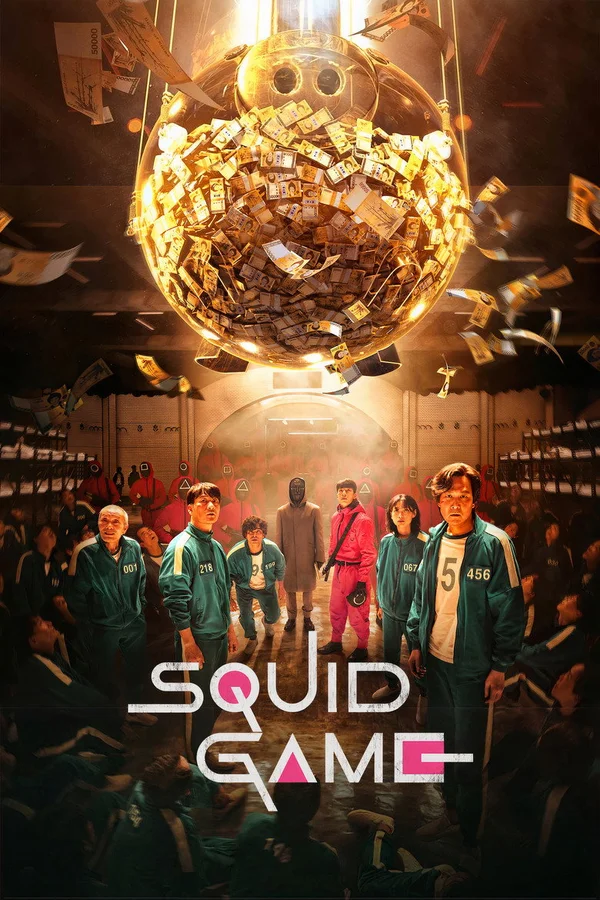
What happens at the end of Squid Game Season 1?
Gi-hun wins the games, takes the money, and refuses to go home unchanged. He rejects a simple “winner returns to debt-free life” ending: the final movement is about whether a survivor becomes complicit or becomes a disruption. The business-card / recruiter echo is the series’ thesis in miniature — the games are a system that recruits forever unless someone walks back into it on purpose.
If you stopped at the last game, you missed the moral argument. The prize is not the point. The choice after the prize is.
What does the airport / departure scene mean?
Gi-hun chooses pursuit over escape. Leaving South Korea would cash out his trauma as a private retirement; turning around reopens the war against the organizers. It is the pivot that makes later seasons possible and reframes the jackpot as unfinished business, not a fairy-tale payout.
Read it as character, not as a trailer for “more games.” The games will return because he walks back toward them, not because a cameo promised a spin-off.
Do I need Seasons 2 and 3 for the Season 1 ending to make sense?
No — Season 1 closes as a complete moral argument. Later seasons expand the board (new games, new power players, Gi-hun’s campaign). Watch them after you sit with the Season 1 finale; do not treat wiki summaries as a substitute for the series page score context.
Season 1 is not a pilot that “doesn’t count.” If you hated the format, later seasons will not convert you by adding lore. If you loved the thesis, continue.
Is Squid Game worth finishing?
Yes if you want thriller craft with class rage — Celluloid’s composite stays in recommend range across the run we have scored. Start at /shows/squid-game/ for where to watch. Who should skip: viewers who wanted a puzzle-box with no violence, or who treat the dolls and tracksuits as a costume party without the debt.
More finales: /guides/ending-explained/. We will not dump every later-season twist here — that would be a different page, and this one is the Season 1 landing.
Who should skip this ending explained?
Skip this article until you have finished Season 1. The spoiler control on the page is not a joke. Skip the show if you cannot watch people die in children’s games for a thesis about inequality — that is the premise, not a late turn. The series page not-for line is the non-spoiler version of the same warning.
Films featured in this piece
More in Ending Explained · All guides