Volver (2006) Review: Almodóvar's Warmest Ghost Story
Volver is Pedro Almodóvar's funny, moving melodrama about Madrid sisters, family secrets and a mother's ghost, with Penélope Cruz at her very best.
★★★★½ 4.5/5
Yes. It is one of Almodóvar's most accessible and satisfying films, a treat for fans of character-driven drama with humour, colour and a big heart.
Is Volver worth watching?
Yes. Volver is Pedro Almodóvar at his warmest and most assured, a comedy-melodrama about mothers, daughters and buried secrets that is as moving as it is entertaining, anchored by a career-best Penélope Cruz. It blends farce, ghost story, crime and family drama with a lightness of touch that makes dark material feel humane. The only reservation is that its tonal swings, from broad comedy to very painful subjects, will not suit every viewer.
What is Volver about?
Raimunda (Penélope Cruz) is a hard-working mother in a working-class district of Madrid, juggling jobs, a teenage daughter and a husband who contributes little. She and her sister Sole (Lola Dueñas) grew up in a small village in La Mancha, where their elderly aunt still lives and where their mother, Irene (Carmen Maura), died in a fire years earlier. When strange events disrupt Raimunda’s life in Madrid and rumours spread in the village that Irene’s ghost has been seen, the sisters find the past returning in ways they could never have expected.
Written and directed by Almodóvar, Volver is a Spanish film in Spanish, running 121 minutes. It won Best Film at the Goya Awards, and at Cannes its female ensemble shared the Best Actress prize while Almodóvar won for his screenplay.
Penélope Cruz and a remarkable ensemble
Cruz gives the performance of her career as Raimunda, a woman of fierce practicality, humour and hidden sorrow. She dominates the screen without ever tipping into showiness, moving from comic exasperation to raw grief within a scene. A moment in which she sings the tango that gives the film its title is one of the most quietly devastating scenes in Almodóvar’s work. The performance earned her an Academy Award nomination for Best Actress.
Around her, the ensemble is superb. Carmen Maura, returning to Almodóvar after a long absence, is funny and deeply touching as Irene. Lola Dueñas brings a nervous, self-effacing comedy to Sole, and Blanca Portillo, as a village neighbour with her own grief, adds a note of real melancholy. The film is a celebration of women’s solidarity, and its performers make that feel lived rather than stated.
Death, comedy and the colour red
Almodóvar’s style is at full bloom. The film is saturated with colour, especially the reds of Raimunda’s clothes and kitchen, and José Luis Alcaine’s cinematography gives Madrid and La Mancha equal warmth. The film’s title means “to return”, and its portrait of La Mancha village rituals around death, of women tending graves and gossiping about the departed, is observed with affection and wit.
What makes Volver so distinctive is how it handles darkness. Beneath the comedy lie grave subjects: family violence, abuse and long-hidden trauma. Almodóvar treats them seriously without letting them crush the film’s warmth, and the humour becomes a form of resilience rather than avoidance. The plotting is intricate, with secrets revealed patiently, and the payoff is emotional rather than merely clever.
Where the balance wobbles
Not every viewer will accept the film’s mix of tones. Some of the comic business, particularly in the middle stretch, sits uneasily beside the gravity of what the characters are dealing with, and the plot relies on coincidence and melodramatic convention in ways that may feel contrived to those unused to Almodóvar’s style. The later explanations are heartfelt but arrive in extended dialogue scenes that slow the momentum.
Who should watch Volver?
It is an ideal entry point for newcomers to Almodóvar, and a must for anyone who loves richly drawn female characters, Spanish cinema or melodrama with a sense of humour. It is rated R in the United States: while the tone is often light, the story involves violence, a death and themes of sexual abuse within families, handled without graphic detail but with honesty.
More from Almodóvar:
- All About My Mother, another tribute to women, motherhood and chosen family, with a similar blend of heartbreak and humour.
- Talk to Her, a more sombre, male-centred companion piece from the same remarkable period of his career.
- Pain and Glory, his later, more autobiographical film, which also looks back at childhood, mothers and memory.
The verdict
Volver is a generous, witty and deeply felt film that turns ghost stories and family secrets into a celebration of women who endure. Its tonal shifts may unsettle some viewers, but Penélope Cruz and Almodóvar’s mastery make it one of the most rewarding Spanish films of the century.
Rating: 4.5/5
Availability is a catalogue snapshot and can change. Confirm with the provider in your region.
Where to watch Volver
Not confirmed on major subscription platforms in our US baseline — check regional listings.
Rent: Amazon Video, Apple TV, Google Play, YouTube, Fandango at Home
Buy: Amazon Video, Apple TV, Google Play, YouTube, Fandango at Home
By region: BFI Player in the United Kingdom; Hulu, U-NEXT in Japan
Full scores and availability on the movie page.
If you liked Volver
Ranked by genre overlap and Celluloid Score. More movies like Volver →

The Godfather
Crime, Drama · 2h 55m
 Venice 2024
 The Room Next Door
Drama, Comedy · 1h 46m
 San Sebastián 2002
 Talk to Her
Drama, Romance · 1h 52m
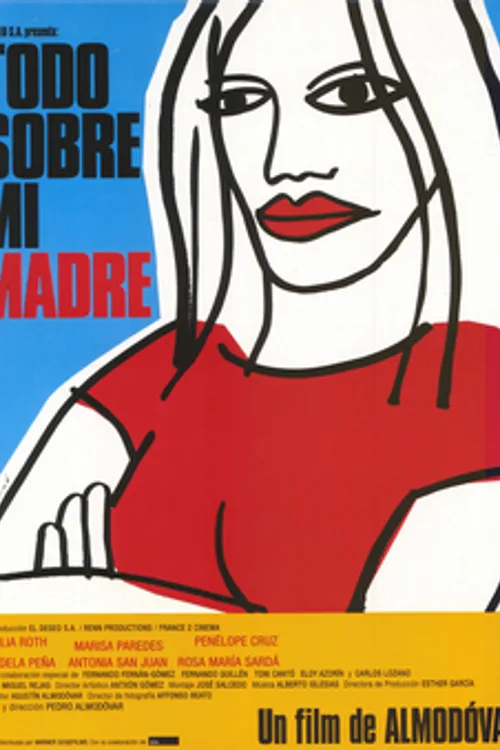 Cannes 1999
 All About My Mother
Drama · 1h 41m
Where can I watch Volver?
Rent: Amazon Video, Apple TV, Google Play, YouTube, Fandango at Home. Buy: Amazon Video, Apple TV, Google Play, YouTube, Fandango at Home. Regional notes: BFI Player in the United Kingdom; Hulu, U-NEXT in Japan.