Pain and Glory (2019) Review: Almodóvar Looks Inward
Pain and Glory is Pedro Almodóvar's tender, semi-autobiographical drama about an ailing film director, with Antonio Banderas giving the performance of his life.
★★★★½ 4.5/5
Yes. It is Almodóvar's most personal and quietly moving film, essential for fans of his work and for anyone drawn to films about memory, art and ageing.
Is Pain and Glory worth watching?
Yes. Pain and Glory is one of Pedro Almodóvar’s finest films, a gentle, deeply personal portrait of a director in physical and creative crisis, and Antonio Banderas has never been better. It trades the director’s trademark melodrama for reflection and restraint, and the result is sensual, funny and quietly devastating. The only caution is that its pace is contemplative and its drama largely internal, so viewers expecting Almodóvar’s wilder plotting may find it subdued.
What is Pain and Glory about?
Salvador Mallo (Antonio Banderas) is a celebrated Spanish film director who has stopped working. Plagued by chronic pain, insomnia and depression, he spends his days in his art-filled Madrid apartment, cut off from the world. When a restored screening of one of his early films prompts him to seek out its star, Alberto (Asier Etxeandia), with whom he fell out decades earlier, Salvador is drawn back into old relationships and old habits, while memories of his childhood in 1960s Valencia and of his mother (played in flashback by Penélope Cruz) return with growing force.
Pain and Glory was written and directed by Pedro Almodóvar, and is widely seen as his most autobiographical work. It is a Spanish film in Spanish and runs 113 minutes. Banderas won Best Actor at Cannes in 2019, and the film won the Goya Awards for Best Film, Director and Actor, and was nominated for the Oscar for Best International Feature.
Banderas in his most delicate role
Banderas, a longtime Almodóvar collaborator, gives a performance of extraordinary restraint. With cropped grey hair and a stiff, careful physicality, he embodies a man living inside constant pain, and he conveys Salvador’s loneliness, humour and regret through subtle gestures rather than big emotional moments. It is a portrait of a surrogate for the director himself, but Banderas makes Salvador his own, and his Cannes prize was richly deserved.
The supporting cast is equally fine. Asier Etxeandia is funny and touching as the prickly actor who re-enters Salvador’s life, and Leonardo Sbaraglia brings great tenderness to a later reunion scene that is among the most moving in Almodóvar’s filmography. Penélope Cruz radiates warmth and strength as the young mother, and Julieta Serrano gives a quietly powerful performance as the older version of the character.
Memory in Almodóvar’s colours
The film moves between Salvador’s present in Madrid and his childhood memories, and Almodóvar blends the two with grace. The flashbacks, shot in sun-drenched colours, capture the poverty and beauty of a village childhood and the first stirrings of desire and artistic vocation. The present-day scenes are filled with the director’s signature bold design, from vivid reds and greens to walls covered in art, reflecting Salvador’s inner life.
Almodóvar’s screenplay is structured like a series of reconciliations: with a former colleague, with a former lover, with his mother, and ultimately with himself. The film’s gentle humour prevents it from becoming self-pitying, and its reflections on creativity, addiction and ageing feel hard-won.
A quieter, more inward Almodóvar
The film’s restraint is both its greatest strength and its biggest demand. There are few dramatic twists, and the narrative drifts from episode to episode, which can feel meandering. Newcomers to Almodóvar may find it less immediately gripping than his more melodramatic films, and some themes, such as Salvador’s drug use, are treated with a lightness that some viewers may find surprising.
Who should watch Pain and Glory?
It is essential for fans of Almodóvar and Banderas, and ideal for viewers who enjoy reflective, character-driven drama about memory, art and ageing. It suits adults: there is drug use, frank discussion of sexuality and brief nudity, though nothing graphic. It rewards a patient, attentive mood.
If it moves you:
- All About My Mother, Almodóvar’s Oscar-winning melodrama about grief, motherhood and performance.
- Talk to Her, another of his most emotionally rich films, about loneliness and devotion.
- The Room Next Door, his later English-language drama, which continues his reflections on mortality.
The verdict
Pain and Glory is a tender, beautifully crafted self-portrait, with a career-best performance from Antonio Banderas and some of Almodóvar’s most moving scenes. Its quiet pace will not suit everyone, but it is a mature and deeply felt work from one of cinema’s great directors.
Rating: 4.5/5
Availability is a catalogue snapshot and can change. Confirm with the provider in your region.
Where to watch Pain and Glory
Not confirmed on major subscription platforms in our US baseline — check regional listings.
Rent: Amazon Video, Apple TV, Google Play, YouTube, Fandango at Home
Buy: Amazon Video, Apple TV, Google Play, YouTube, Fandango at Home
By region: Wavve in South Korea; U-NEXT in Japan
Full scores and availability on the movie page.
If you liked Pain and Glory
Ranked by genre overlap and Celluloid Score. More movies like Pain and Glory →

Requiem for a Dream
Crime, Drama · 1h 42m
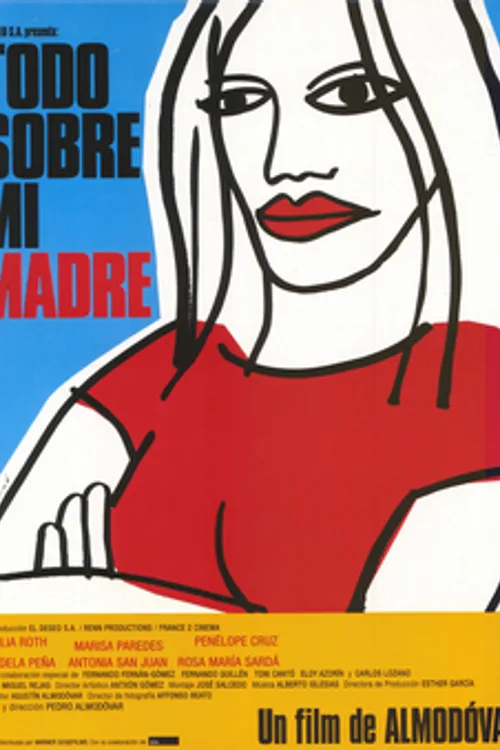 Cannes 1999
 All About My Mother
Drama · 1h 41m
 Cannes 2011
 The Skin I Live In
Thriller, Drama · 2h 0m
 San Sebastián 2002
 Talk to Her
Drama, Romance · 1h 52m
Where can I watch Pain and Glory?
Rent: Amazon Video, Apple TV, Google Play, YouTube, Fandango at Home. Buy: Amazon Video, Apple TV, Google Play, YouTube, Fandango at Home. Regional notes: Wavve in South Korea; U-NEXT in Japan.