Trese Review: Netflix Philippines' Animated Mythology Noir
Budjette Tan's comic became Netflix animation — 78% critics, Filipino folklore meets cyberpunk Manila, Liza Soberano voicing Alexandra Trese.
★★★½☆ 3.5/5
Visually striking Philippines animation on Best of Asia 2016–2026 — six episodes craving a second season.
Is Trese worth watching?
Yes — especially if you want Filipino mythology rendered with noir style and Netflix production muscle. Trese holds a 78/100 Celluloid Editorial Rating, 76% Audience Snapshot, 70 Metascore, 7.1 on IMDb, and Fan Score 74 across six episodes. Creators Budjette Tan and KaJO Baldisimo adapted their cult comic into animated occult detective stories.
What is Trese about?
Manila occult detective Alexandra Trese mediates between humanity and Philippine mythological entities — aswang, tikbalang, duwende — when crimes spill from the underworld into neon streets. Liza Soberano voices Trese in the Tagalog track; Shay Mitchell and Darren Criss appear in the English dub. Each episode adapts a case with folklore footnotes baked into atmosphere.
Should you watch Trese with Hello, Love, Goodbye?
Trese shows Netflix Philippines beyond live-action romance — pair with Cathy Garcia-Sampana’s Hello, Love, Goodbye for commercial poles of the same industry. Compare with Joko Anwar’s Joko Anwar’s Nightmares and Daydreams from Indonesia — anthology horror treating local myth as social critique.
How does Trese visualize Manila?
As cyberpunk noir — rain-slick streets, jeepney lights, and creatures from oral tradition rendered with comic-book precision. Kaiser Khan’s split verdict: plotting feels thin across six episodes; world-building is the draw. Critics wished Netflix ordered Season 2.
Where can I watch Trese?
Netflix — six episodes, one season; IMDb tt13121710. Tagalog audio with Liza Soberano is preferred; English dub exists for accessibility. Each episode adapts a comic case — reading the source graphic novels deepens folklore references without spoiling animation surprises.
Why did Trese not get Season 2?
Netflix silence frustrated fans who saw Filipino folklore rendered with rare animation budget — likely viewership versus cost, not creative failure. Six episodes function as proof-of-concept; comic source material offers seasons of cases if platform recommits. Until then, Trese remains reference point for Manila noir in animation and gateway to Budjette Tan’s graphic novels.
On Best of Asia 2016–2026, Trese represents Philippines animation beside Cathy Garcia-Sampana’s live-action blockbusters. Compare with Joko Anwar’s Joko Anwar’s Nightmares and Daydreams for Southeast Asian folklore as genre fuel. Netflix’s six-episode order is easy weekend completion.
How does this title fit Celluloid’s Asia map?
Celluloid maps these titles on Best of Asia 2016–2026 so viewers can compare scores, streaming, and regional peers without algorithm guesswork — start with the country hub, then cross-link to franchise siblings listed above.
What scores should you trust?
Rating recap for quick reference: check the film or series page for Celluloid Editorial Rating, Audience Snapshot, Metascore where available, IMDb rating, and streaming badges updated for 2026 — those numbers anchor this review’s recommendations and make cross-country comparison on the Asia decade hub concrete rather than nostalgic.
Final streaming note: availability shifts by territory — verify your region on the title page before planning a watch party.
Verdict
Trese is mythology as style exercise — Kaiser Khan’s pick for Philippine animation’s most visible global debut. Browse Philippines and Best of Asia 2016–2026. IMDb tt13121710.
Availability is a catalogue snapshot and can change. Confirm with the provider in your region.
Where to watch Trese
Streaming: Netflix
By region: Netflix in the United States; Netflix in the United Kingdom; Netflix in Indonesia; Netflix in India
Full scores and availability on the series page.
More like Trese
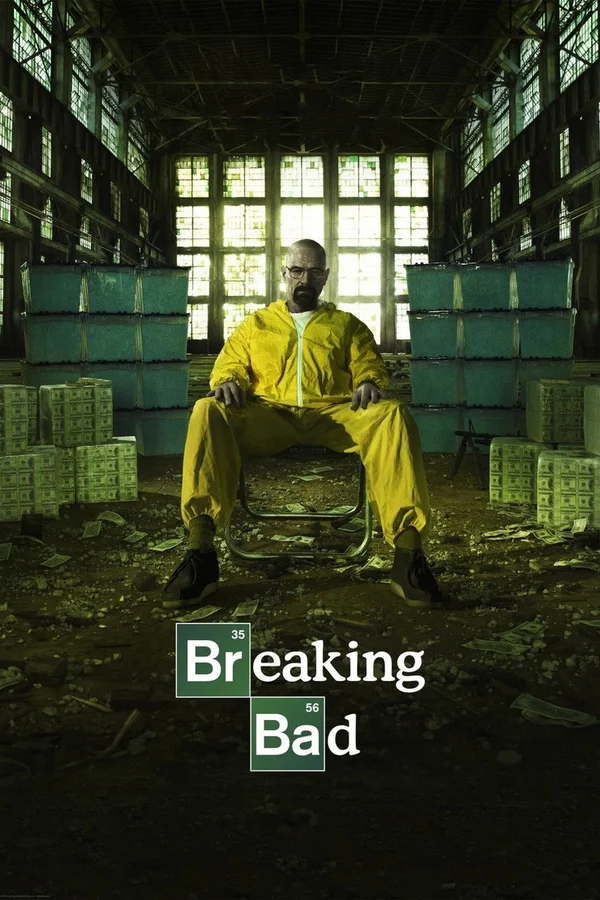 Netflix Editor's Pick
 Breaking Bad
Crime, Drama
 Netflix
 Arcane
Animation, Action
 Netflix Editor's Pick
 Better Call Saul
Crime, Drama
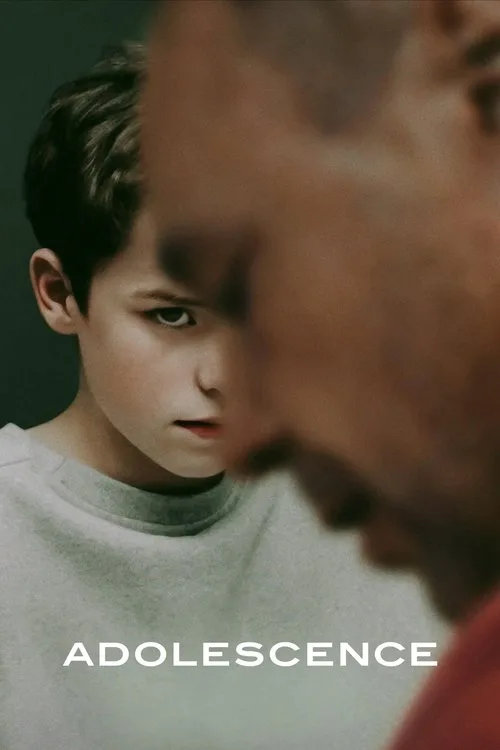 Netflix Editor's Pick
 Adolescence
Crime, Drama
Streaming: Netflix. Regional notes: Netflix in the United States; Netflix in the United Kingdom; Netflix in Indonesia; Netflix in India.