Arcane Review: The Video-Game Adaptation That Became High Art
★★★★★ 5/5
A staggering technical and emotional achievement that redefines what animated television can be. Unmissable, whether or not you know the game.
Where to watch Arcane
Streaming: Netflix
By region: Netflix in the United States; Netflix in the United Kingdom; Netflix in Indonesia; Netflix in India
Full scores & availability on the series page.
Beyond the source
The phrase “video-game adaptation” carries decades of disappointment, which makes Arcane feel almost miraculous. Fortiche’s animation — a bespoke blend of 3D models painted over with 2D texture, every frame worked like an oil canvas — announces from the first minute that this is not a marketing exercise but a work of authorship. You need never have touched League of Legends; the series stands entirely on its own dramatic legs.
A city as tragedy
The engine of the story is architecture: the gleaming, privileged towers of Piltover above and the poisoned undercity of Zaun below. Arcane is, at heart, a class parable, and it films the divide with genuine anger — progress purchased on one side by suffering on the other. Its refusal of clean villains, its insistence that every atrocity has a wounded logic, gives the spectacle a moral seriousness animation is rarely granted.
The sisters at its heart
For all its scale, the series lives and dies on Vi and Jinx, siblings severed by trauma and circumstance. Jinx’s disintegration — grief hardening into something gleeful and terrible — is one of the most affecting arcs in recent television, animated or otherwise. Hailee Steinfeld and Ella Purnell give the voice work a raw, lived-in ache that the images then amplify rather than replace.
Craft as meaning
Every formal choice carries weight: colour palettes that curdle as characters fall, needle-drops deployed with real dramatic nerve, action sequences choreographed for emotional legibility rather than mere dazzle. This is expensive animation spent on feeling, not just motion.
Verdict
Arcane is the rare adaptation that transcends its origins entirely — a gorgeous, heartbreaking tragedy that happens to be animated and happens to come from a game. Simply one of the best series of its decade.
More like Arcane
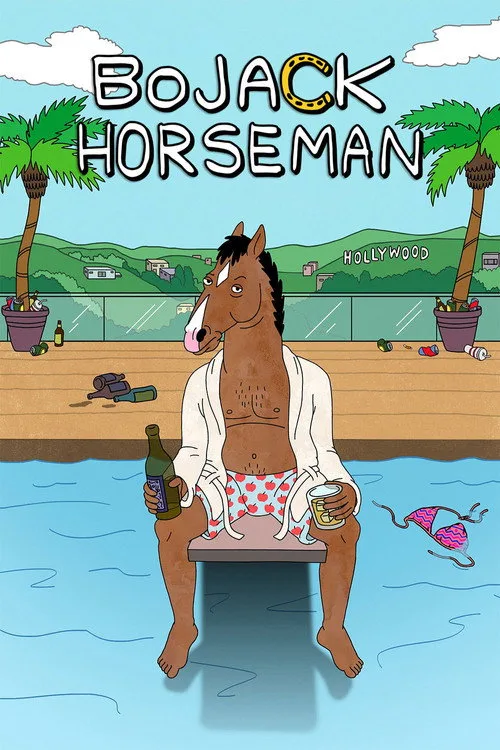 Netflix Editor's Pick
 BoJack Horseman
Animation, Comedy
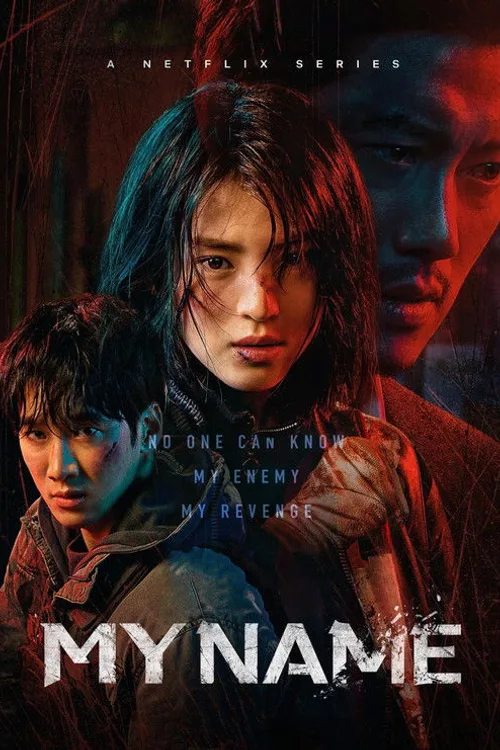 Netflix
 My Name
Action, Crime
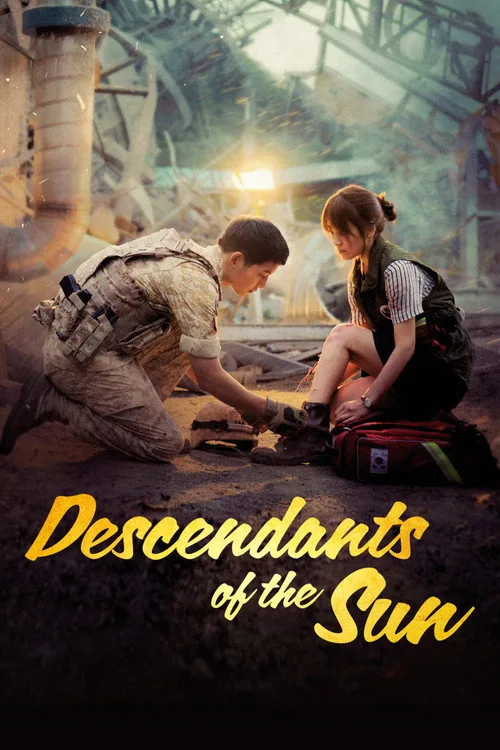 Netflix
 Descendants of the Sun
Romance, Drama
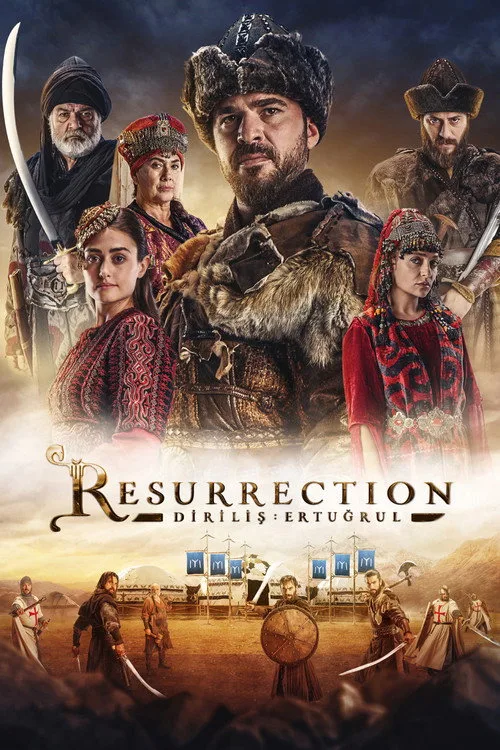 Netflix Editor's Pick
 Diriliş: Ertuğrul
War, Action
Streaming: Netflix. Regional notes: Netflix in the United States; Netflix in the United Kingdom; Netflix in Indonesia; Netflix in India.