The Scarecrow Review: The Best Korean Thriller of 2026 Points the Finger at the Badge
The Scarecrow takes the shadow of the Hwaseong serial murders and aims its rage not at the killer but at the institutions that manufactured a culprit — a slow-burn procedural elevated by Park Hae-soo and Lee Hee-jun at the peak of their powers.
★★★★☆ 4/5
For patient viewers who like their crime drama morally serious: watch it. One of the strongest Korean series of 2026, carried by two ferocious lead performances.
The serial-killer drama is Korean television’s most crowded genre, and the smartest thing about The Scarecrow is that it refuses to be one. ENA’s spring thriller takes its inspiration from the Hwaseong murders — the case that has haunted Korean crime fiction since Memories of Murder — but the killer here is almost an offstage presence. The show’s true subject is the machinery that closes a case: the police under pressure to deliver a name, the prosecutors who need a conviction more than a truth, and the man whose life is fed into that machine so that other men can collect commendations. It is a whodunnit in structure and an indictment in spirit, and that dual engine makes it the most gripping Korean series I have seen this year.
Two actors in a locked room
Park Hae-soo has spent the years since Squid Game choosing roles that complicate his everyman decency, and this is the richest of them. His investigator is a man discovering, one filing cabinet at a time, that the institution he serves is capable of manufacturing guilt — and Park plays the erosion of that faith with wonderful economy, letting doubt accumulate in his stillness rather than his speeches. Opposite him, Lee Hee-jun delivers what may be the performance of his career. His character’s volatility is genuinely frightening because it is never generic menace; Lee builds a man whose instability has a logic, a history, a wounded coherence. When the two share a room, the show achieves an interrogation-scene electricity that most thrillers only gesture at, and their scenes together became appointment television for good reason.
The slow burn, defended
The Scarecrow demands patience, and I want to be honest about that. Its opening episodes move at the speed of paperwork — deliberately, I would argue, because bureaucratic tedium is the show’s crime scene. Viewers raised on the cliffhanger cadence of Netflix thrillers may find the first act austere. But the structure pays compound interest: threads that seem procedural in episode two detonate in episode ten, and the finale lands with the moral weight the whole run has been quietly banking. Kwak Sun-young, in the supporting cast, deserves particular mention for giving the drama’s conscience a human face rather than a rhetorical one.
Why it cuts deeper than true crime
Korea has litigated the Hwaseong case in fiction before, but usually through the lens of the unsolved — the fog, the frustration, the killer who got away. The Scarecrow arrives after history supplied an answer, and it asks the harder retrospective question: what did the system do to people while it was failing? The forced confessions, the tunnel vision, the institutional appetite for closure over accuracy — the series dramatizes all of it without ever curdling into a lecture. It trusts the drama to carry the argument, and the drama does.
If the show has a flaw beyond its deliberate pacing, it is a certain tidiness in the final stretch — a couple of late revelations arrive with more narrative convenience than the preceding rigor deserves. It keeps a great series just shy of a perfect one.
The verdict
The Scarecrow is a slow-burn triumph — a morally furious procedural with two of the year’s best performances, and the strongest argument yet that Korean television’s crime genre still has new places to go.
Availability is a catalogue snapshot and can change. Confirm with the provider in your region.
Where to watch The Scarecrow
Streaming: Viki
By region: Viki in the United States; Viu in Indonesia; TVING in South Korea; Viu in Thailand
Full scores and availability on the series page.
More like The Scarecrow
 Viki
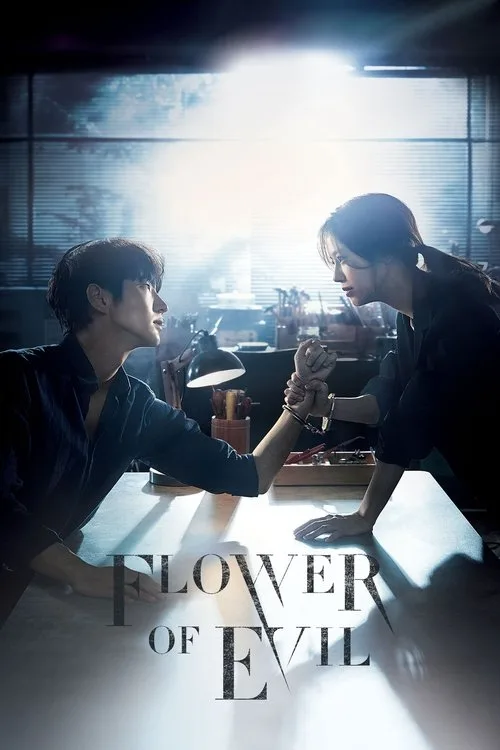
Viki Flower of Evil
Thriller, Crime
 Viki
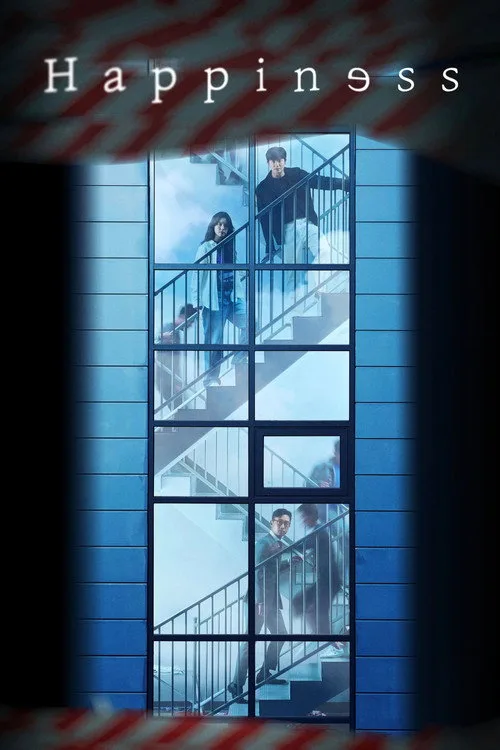
Viki Happiness
Thriller, Drama
 Netflix Editor's Pick
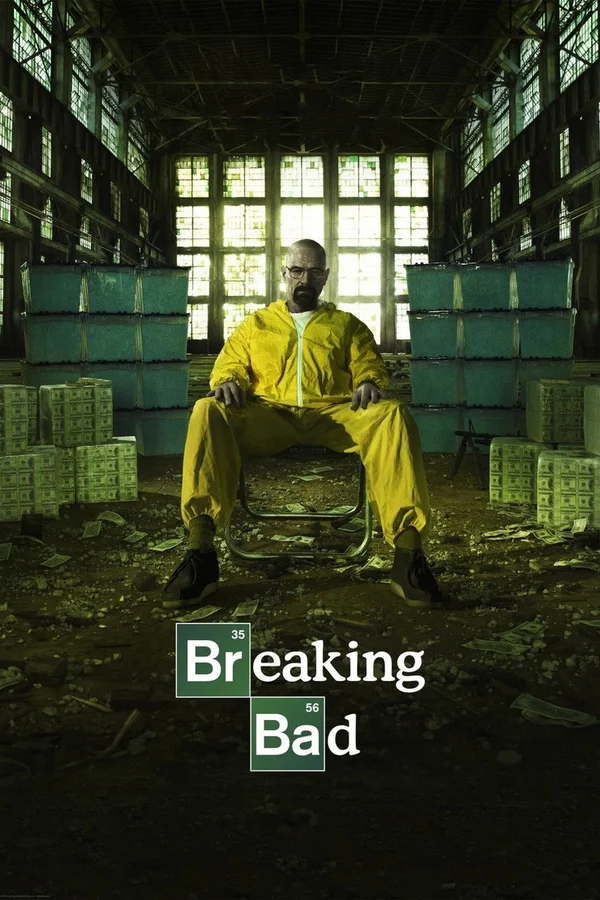
 Breaking Bad
Crime, Drama
 Viki Editor's Pick
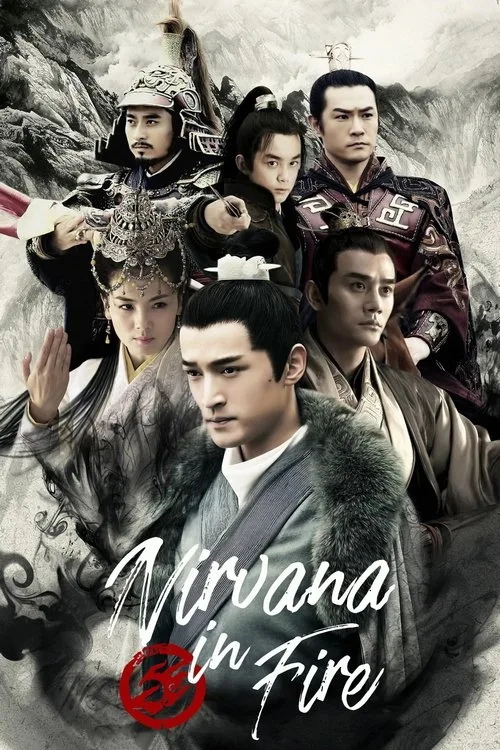
 Nirvana in Fire
Drama, History
Streaming: Viki. Regional notes: Viki in the United States; Viu in Indonesia; TVING in South Korea; Viu in Thailand.