The Drama Review: Zendaya and Pattinson Survive a Wedding-Week Confession Bomb
Kristoffer Borgli's A24 romantic black comedy turns a worst-confessions game into relationship free-fall — 89% critics, $132M worldwide, and Zendaya and Robert Pattinson at career-risk honesty.
★★★★☆ 4/5
Essential A24 conversation piece on Best of 2026 — a United States wedding-week spiral that rewards debate more than comfort.
Is The Drama worth the discomfort?
Yes — if you can sit with a romantic comedy that treats honesty as a weapon and still wants you to root for the couple. The Drama follows Emma (Zendaya) and Charlie (Robert Pattinson) through the week before their Boston wedding, when a party game of worst confessions detonates everything they thought they knew about each other. A24 released the 105-minute film April 3 to an 89% Tomatometer, 72% Popcornmeter, Metascore 80, Letterboxd 3.5, and IMDb 7.0 — then watched it gross roughly $132 million on a $28 million budget. That is not niche provocation math; that is a hit that kept the squirm.
Borgli’s rehearsal-dinner trap
Kristoffer Borgli (Sick of Myself) writes and directs with Square Peg producers Lars Knudsen and Ari Aster, but the film is warmer and crueler than pure satire. Arseni Khachaturan shoots on 35mm with long-lens portraits that make every rehearsal dinner feel like a deposition. Zendaya’s Emma is a literary editor whose teenage secret — a plan she abandoned, plus the real cause of her partial deafness — reframes every prior tenderness as incomplete information. Pattinson’s Charlie, a British museum director, responds with paranoia, a disastrous almost-affair, and speeches that dig the hole deeper. Alana Haim and Mamoudou Athie, as maid of honor and best man, are not comic relief; they are the friends who decide whether the wedding is still morally permissible. Borgli’s blocking favors spiral staircases, glass tables, and rooms where nobody can leave without making a scene — Boston and New England locations do the rest.
What makes the confession scene work?
The film understands that the game is not about truth-telling; it is about competitive intimacy that nobody consented to as a public trial. Emma’s reveal is horrifying to Rachel (Haim) for specific reasons tied to a cousin’s trauma, and Borgli refuses to let the audience side cleanly with either woman. Charlie’s cyberbullying confession is smaller and somehow worse in the moment because it is so ordinary. The comedy lands first — mortifying observations about how couples perform harmony for their wedding party — then the film withholds relief. Sound design favors uncomfortable silence between lines; Daniel Pemberton’s score arrives rarely and never to reassure. Pattinson may be doing his most disciplined romantic work in years: stillness implying doubt rather than announcing villainy. Zendaya risks unlikability in a marketplace that usually pays stars to be adored, and the risk is visible on screen.
Who should skip it?
Skip if you need a clean romcom moral or cannot watch a reception unravel in public. The 72% Popcornmeter gap tracks viewers who wanted clearer ethics or warmer closure. That gap is partly the point — The Drama is a conversation starter, not a hug. On Best of 2026, it sits in the indie-hit tier below tentpoles but above soft adaptation filler. Compare with Oscar Boyson’s Our Hero, Balthazar for another film about performative vulnerability, or Kaiser Khan’s I Love Boosters for attention-economy satire with more rage and less bridal tulle.
Verdict
Fresh, fractious, and commercially brave — Kaiser Khan’s April pick for viewers who want American indie with teeth and still somehow want the couple to make it. Expect long streaming afterlife: this is a film that improves on rewatch because early jokes reframe as evidence once you know how the reception detonates. Zendaya and Pattinson both spend career comfort here; that spend is the movie.
Availability is a catalogue snapshot and can change. Confirm with the provider in your region.
Where to watch The Drama
Streaming: HBO Max
Rent: Amazon Video, Apple TV, Google Play, YouTube, Fandango at Home
Buy: Amazon Video, Apple TV, Google Play, YouTube, Fandango at Home
By region: HBO Max in the United States; TV+ in Turkey
Full scores and availability on the movie page.
If you liked The Drama
Ranked by genre overlap and Celluloid Score. More movies like The Drama →
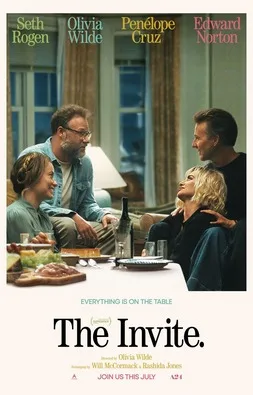 FeaturedSundance 2026
 The Invite
Comedy, Drama · 1h 47m
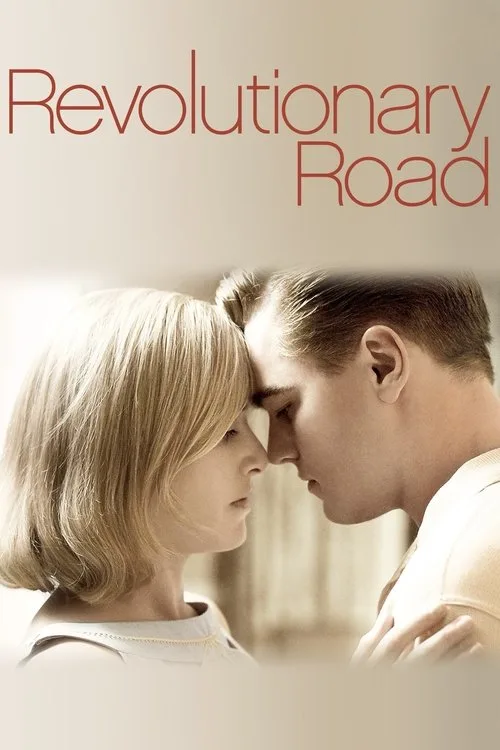
Revolutionary Road
Drama, Romance · 1h 59m
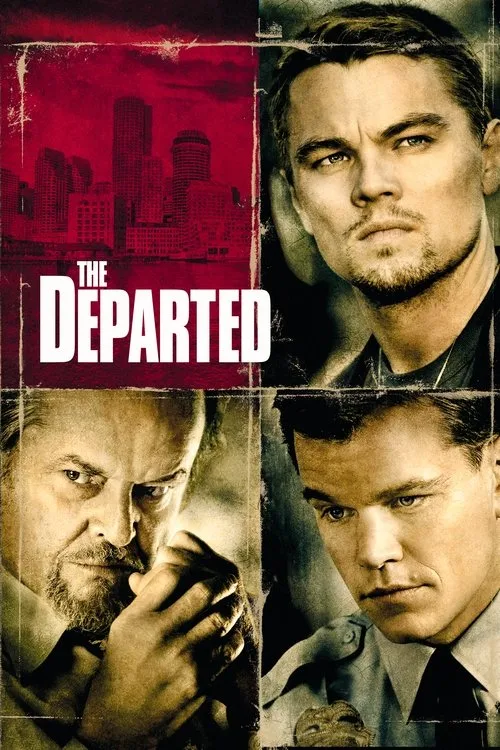
The Departed
Drama, Thriller · 2h 31m
 Morelia 2004
 The Motorcycle Diaries
Biography, Drama · 2h 6m
Streaming: HBO Max. Rent: Amazon Video, Apple TV, Google Play, YouTube, Fandango at Home. Buy: Amazon Video, Apple TV, Google Play, YouTube, Fandango at Home. Regional notes: HBO Max in the United States; TV+ in Turkey.