The Devil Wears Prada 2 Review: Miranda Returns — and the Box Office Applauds
David Frankel reunites Streep, Hathaway, Blunt, and Tucci for a $690M global sequel — 78% critics, 85% audiences, and runway glamour that outpaces the script.
★★★½☆ 3.5/5
Fan-service done professionally — the year's biggest fashion-event grosser on Best of 2026 for Prada faithful, optional for satire purists.
Should you see The Devil Wears Prada 2?
If you loved the 2006 original, yes — the sequel is built for you, and the 85% Popcornmeter proves the audience showed up. The Devil Wears Prada 2 cleared $690M worldwide on a 78% Tomatometer — David Frankel reunites Meryl Streep, Anne Hathaway, Emily Blunt, and Stanley Tucci for a May release that trades ice-queen cruelty for sharper stakes about power, legacy, and whether anyone ever truly leaves the devil’s employ. Andy Sachs is drawn back when Runway faces hostile takeover and generational reckoning. Metascore 68, Letterboxd 3.3, and IMDb 7.1 suggest affection without cult status — an event sequel, not a decade-definer like the first.
Frankel and the reunion craft
Frankel understands the original’s engine was never plot but instrument — Streep playing Miranda Priestly as one of cinema’s great weapons, Hathaway growing from montage victim to person worth watching without montage. The sequel cannot recreate first-film crucible because Andy already graduated; it instead asks whether graduation was real or costume change. Streep delivers; Hathaway matches her with warmth hardened by years. Blunt and Tucci return with welcome texture — their scenes feel like reunion rather than obligation. At 119 minutes the film does not overstay, but stakes feel smaller than the first film’s knife-edge satire. Handbags and boardroom set pieces entertain; they do not wound the way 2006 did.
Streep and Hathaway’s power renegotiation
Costume and production design lean into runway fantasy without parody — the film respects fashion as power language the way the original did. Emily Blunt’s Emily remains scene-stealing without stealing; her warmth provides the film’s most honest emotional beat. Tucci’s Nigel is welcome grace note — kindness as luxury in Miranda’s orbit. The hostile takeover plot is functional rather than inspired, but it gives Streep scenes where Miranda must negotiate rather than decree, and that variation revitalizes the character. Hathaway’s Andy carries earned confidence — she is no longer montage underdog, which changes every exchange with Miranda.
Why the box office outran critics
$690M global reflects brand hunger, Streep event power, and fashion tie-ins — not Metascore ambition. The 78%/85% split is textbook reunion cinema: critics measure against the original’s satire; audiences measure against the pleasure of seeing these actors together again. Both measurements coexist. The screenplay sanded edges to avoid alienating the fanbase that made the first film a perennial streamer. I notice the softening; I also notice the audience does not care on opening weekend. For fashion-film completists, the runway sequences alone may justify admission — they are shot with love, not obligation.
How does it compare in 2026?
Prada 2 is the anti-Is God Is — comfort cinema versus confrontational revenge, both May wide releases. On Best of 2026 it ranks on box-office heat more than critic rapture. Compare with Kaiser Khan’s Hoppers for family counterprogramming that cleared higher critics and audiences simultaneously.
Verdict
Fresh, not essential — Kaiser Khan’s recommendation for Prada faithful and Streep completists, optional for everyone else. The reunion earns its ticket; just do not expect the original’s blade. For a May 2026 double feature, pair with Is God Is and marvel at how the same month can contain both comfort couture and biblical revenge — proof that theatrical diversity still exists when studios take swings on different audiences.
Availability is a catalogue snapshot and can change. Confirm with the provider in your region.
Where to watch The Devil Wears Prada 2
Streaming: Disney+, Hulu
Rent: Amazon Video, Apple TV, Fandango at Home
Buy: Amazon Video, Apple TV, Google Play, YouTube, Fandango at Home
By region: Disney+, Hulu in the United States; Disney+ in the United Kingdom; Disney+ Hotstar in India; Disney+ in South Korea
Full scores and availability on the movie page.
If you liked The Devil Wears Prada 2
Ranked by genre overlap and Celluloid Score. More movies like The Devil Wears Prada 2 →
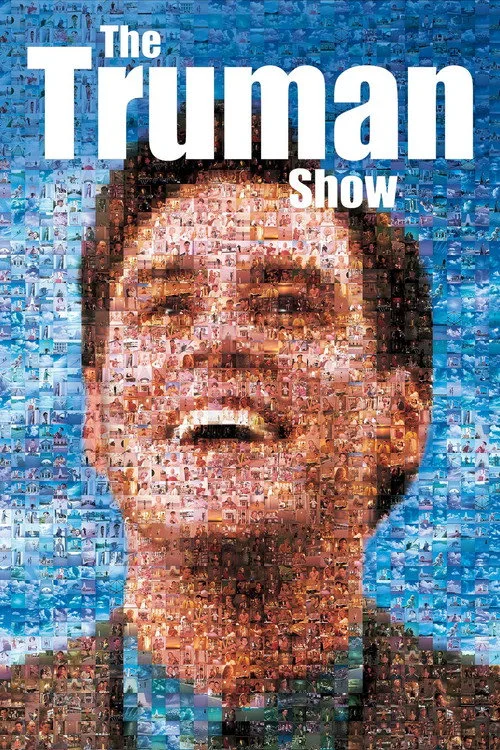 Featured
 The Truman Show
Comedy, Drama · 1h 43m
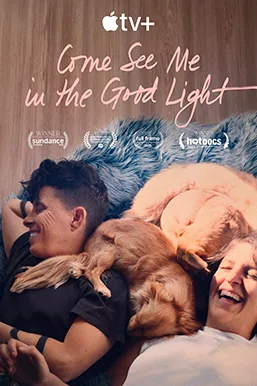 FeaturedSundance 2025
 Come See Me in the Good Light
Comedy, Drama · 1h 55m
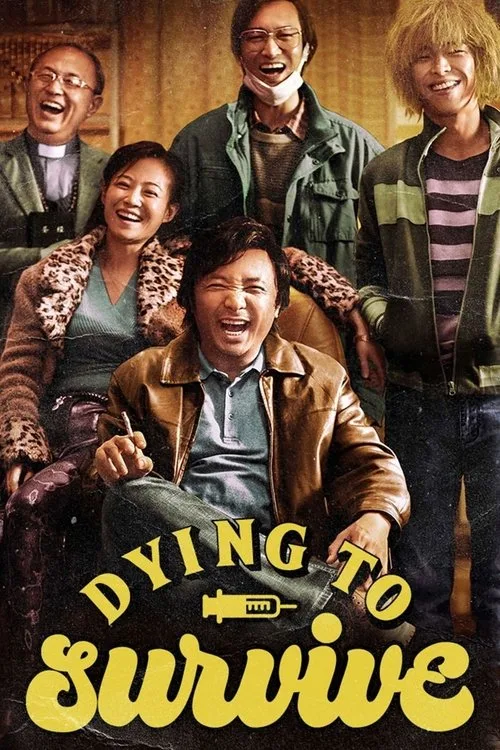 FeaturedShanghai 2018
 Dying to Survive
Drama, Comedy · 1h 57m
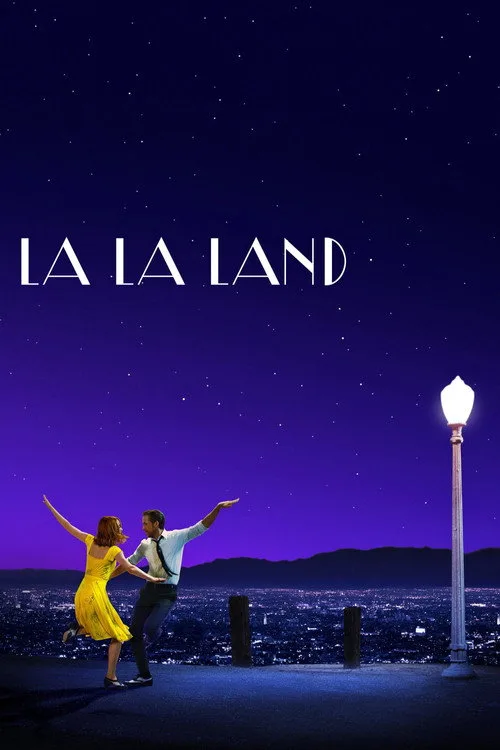 Venice 2016
 La La Land
Comedy, Drama · 2h 9m
Streaming: Disney+, Hulu. Rent: Amazon Video, Apple TV, Fandango at Home. Buy: Amazon Video, Apple TV, Google Play, YouTube, Fandango at Home. Regional notes: Disney+, Hulu in the United States; Disney+ in the United Kingdom; Disney+ Hotstar in India; Disney+ in South Korea.