The Brutalist Review: An Immigrant Epic Built to the Scale of Its Ambition
Brady Corbet's The Brutalist is a 215-minute, VistaVision-shot epic of immigration, art and the cruelty buried in American patronage — a monumental swing of a film anchored by a towering Adrien Brody.
★★★★★ 5/5
A staggeringly ambitious old-Hollywood epic with a modern conscience — occasionally overreaching, but unforgettable. Major, muscular filmmaking.
Scale as statement
They do not make films like this anymore, which is exactly Brady Corbet’s point. Shot in VistaVision, running past three and a half hours with an intermission, The Brutalist announces itself as an old-fashioned epic and then fills that vast frame with an unfashionably bleak thesis: that the American dream is a transaction, and the artist-immigrant is the party who pays. The grandeur is not nostalgia; it is argument.
Architecture as autobiography
The story of a Hungarian-Jewish architect rebuilding his genius under a wealthy industrialist’s patronage becomes a parable about the ownership of vision — who funds art, who controls it, whose name goes on the building. Corbet films the construction of a monument as the slow demolition of a man, and the concrete brutalism of the title is both the hero’s aesthetic and the film’s own severe, imposing form.
Brody’s monument
Adrien Brody gives a career-crowning performance as a man whose brilliance is both his salvation and the lever by which he is exploited. Opposite him, Guy Pearce’s industrialist is charm masking contempt — patronage as a form of ownership. Their relationship is the film’s engine, a study of how power flatters and then consumes.
The overreach
A film this large invites the charge of grasping, and The Brutalist does not entirely escape it; its final movement lunges for a thesis its patient earlier hours had more powerfully implied. But the ambition is the substance — better a film that reaches too far than one content to reach nowhere.
Verdict
The Brutalist is a monumental, morally serious epic — the rare contemporary film with the scale and nerve of the classics it evokes. Flawed in its reach, unforgettable in its power.
Availability is a catalogue snapshot and can change. Confirm with the provider in your region.
Where to watch The Brutalist
Streaming: HBO Max
Rent: Amazon Video, Apple TV, Google Play, YouTube, Fandango at Home
Buy: Amazon Video, Apple TV, Google Play, YouTube, Fandango at Home
By region: HBO Max in the United States; Sky Cinema in the United Kingdom; Netflix in Indonesia; Netflix, Disney+ Hotstar in India
Full scores and availability on the movie page.
If you liked The Brutalist
Ranked by genre overlap and Celluloid Score. More movies like The Brutalist →
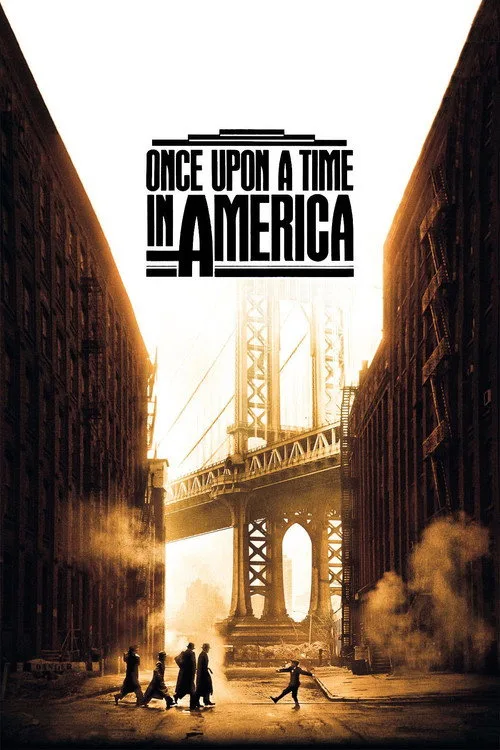
Once Upon a Time in America
Drama, Crime · 3h 49m
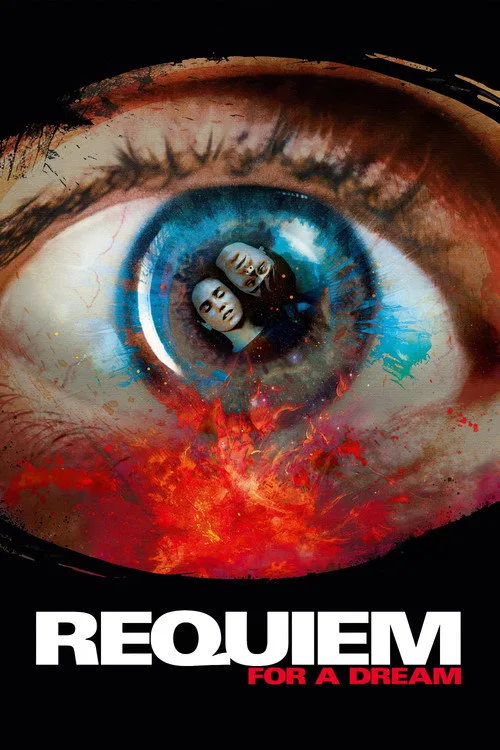
Requiem for a Dream
Crime, Drama · 1h 42m
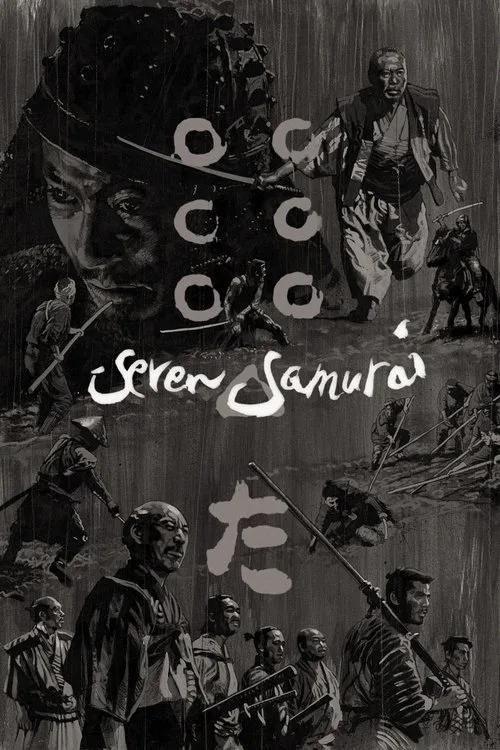 Venice 1954
 Seven Samurai
Action, Drama · 3h 27m
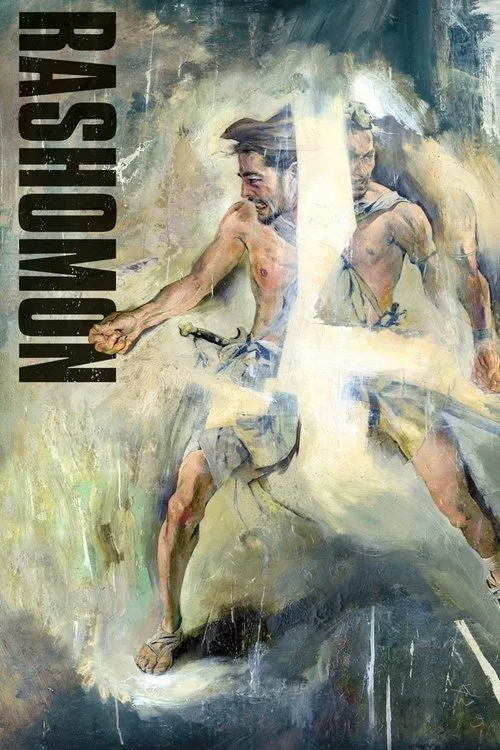 Venice 1951
 Rashomon
Crime, Drama · 1h 28m
Streaming: HBO Max. Rent: Amazon Video, Apple TV, Google Play, YouTube, Fandango at Home. Buy: Amazon Video, Apple TV, Google Play, YouTube, Fandango at Home. Regional notes: HBO Max in the United States; Sky Cinema in the United Kingdom; Netflix in Indonesia; Netflix, Disney+ Hotstar in India.