Sound of Falling (2025) Review: One House, Four Girlhoods
Sound of Falling is Mascha Schilinski's Cannes Jury Prize winner, a haunting German drama that braids four girlhoods in one farmhouse across a century.
★★★★½ 4.5/5
Yes. It is one of the most daring European films of recent years, essential for patient arthouse viewers who can handle bleak material and a fractured structure.
Is Sound of Falling worth watching?
Yes. Sound of Falling is a formally audacious and deeply unsettling German drama, the kind of film that reshapes what a family saga can look like. Mascha Schilinski threads four girls’ lives in one farmhouse across a hundred years, and the rhymes between them build into something eerie and overwhelming. The caveats are real: the structure demands close attention, the subject matter is often harrowing, and at nearly two and a half hours it asks for a genuine commitment.
What is Sound of Falling about?
Four girls grow up in the same farmhouse in rural northern Germany, decades apart: one in the 1910s, one in the 1940s, one in the 1980s and one in the 2020s. They never meet, yet their lives echo each other in gestures, fears and small secrets, as if the house itself remembers what happened inside it. The film moves between the eras without announcing its jumps, letting details of rooms, fields and family habits carry meaning from one generation to the next.
Sound of Falling is the second feature from director Mascha Schilinski. It is a German production in German, runs 148 minutes and won the Jury Prize at Cannes in 2025. Hanna Heckt, Lea Drinda, Lena Urzendowsky and Laeni Geiseler play the girls at the centre, with Susanne Wuest and Luise Heyer among the adults around them. Its German title is In die Sonne schauen.
A structure that works like memory
The film’s boldest decision is to abandon the usual scaffolding of a generational epic. There are no title cards walking the audience through a family tree and no neat chronological chapters. Instead, Schilinski cuts between eras on associations: a sound, a movement, a doorway seen from the same angle a lifetime apart. At first this can be disorienting, but the disorientation is the point. The past does not stay in its box here; it leaks into the present the way inherited habits and silences do.
The camera often watches from the edges, through gaps in doors, from corners and half-hidden positions, so that the audience shares the girls’ sense of being observed and of observing things they are not supposed to see. The house becomes less a setting than a witness.
Sound as a haunting
As the title suggests, the soundtrack is central. Noises from one era seem to bleed into another, voices drift in from off screen, and quiet rooms feel charged with something just out of hearing. The effect is often closer to a ghost story than to a period drama. It is one of the most carefully designed uses of sound in recent European cinema, and it is what gives the fractured structure its emotional glue.
The young performers are uniformly strong, with a naturalism that keeps the film’s formal ambition grounded. Each of them conveys a private inner world under pressure from adults who rarely explain themselves, and the echoes between the four performances are as important as any single scene.
Where it will lose some viewers
This is not a comfortable film, and it should not be approached as one. Schilinski deals with the ways girls and women have been controlled, exploited and hurt in rural family life, and while much of it works by implication rather than explicit depiction, the implication is often worse. Some viewers will find the cumulative bleakness hard to bear.
The structure also has a cost. Keeping four girls, their families and their eras distinct takes effort, especially in the first hour, and the film’s refusal to orient its audience can feel withholding rather than mysterious. A few passages in the long middle stretch lose tension as the film circles its themes rather than deepening them.
Who should watch Sound of Falling?
It is essential viewing for devoted arthouse audiences, admirers of formally ambitious European cinema, and anyone interested in films about inheritance, memory and the lives of women across history. It is not a casual watch: set aside the full running time, watch without distractions, and expect to think about it for days. Content includes themes of sexual exploitation, self-harm, death and abuse, handled with restraint but unmistakably present.
If it grips you, three natural companions:
- The White Ribbon, Michael Haneke’s portrait of a German village before the First World War, for another chilling study of cruelty passed down to children.
- Toni Erdmann, Maren Ade’s very different family drama, for another German film by a woman director that stretched its form and found acclaim at Cannes.
- More from our drama shelf, for other demanding, character-led films.
The verdict
Sound of Falling is a startling achievement: a century of girlhood compressed into one house and one haunted soundscape, told with a confidence rare in any debut or second feature. It is demanding and often painful, and its structure will frustrate some, but few recent films have used cinema’s tools so boldly to show how the past lives inside the present.
Rating: 4.5/5
Availability is a catalogue snapshot and can change. Confirm with the provider in your region.
Where to watch Sound of Falling
Streaming: MUBI
Rent: Amazon Video, Apple TV, Fandango at Home
Buy: Amazon Video, Apple TV, Fandango at Home
By region: MUBI in the United States; MUBI in the United Kingdom; MUBI in India; MUBI in Turkey
Full scores and availability on the movie page.
If you liked Sound of Falling
Ranked by genre overlap and Celluloid Score. More movies like Sound of Falling →
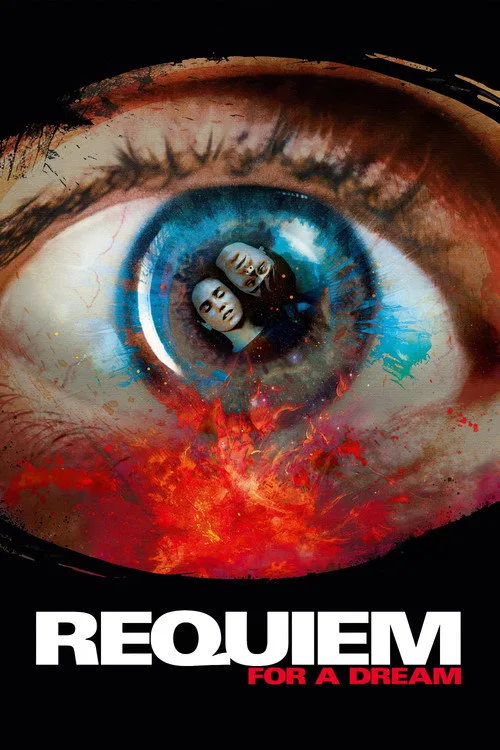
Requiem for a Dream
Crime, Drama · 1h 42m
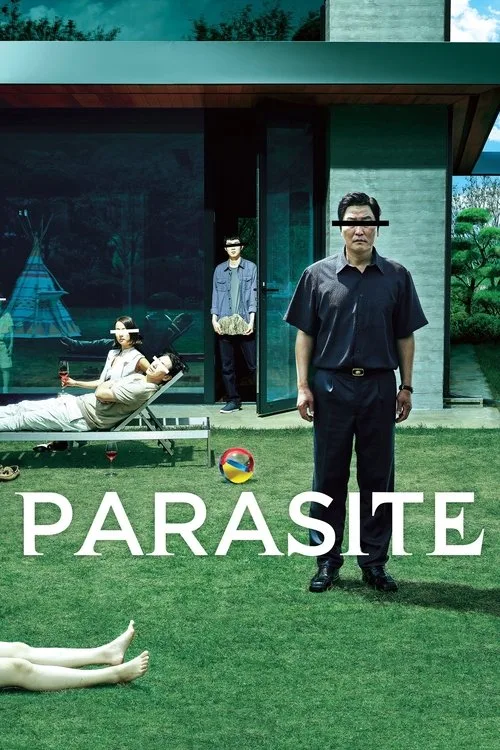 Cannes 2019
 Parasite
Thriller, Drama · 2h 12m
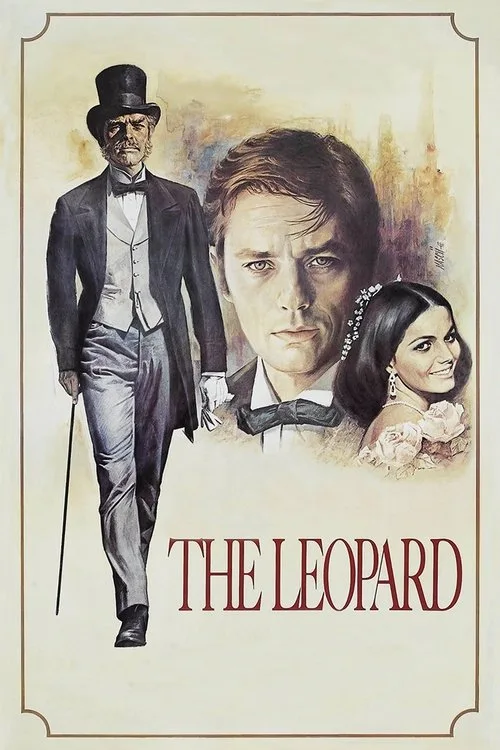 Cannes 1963
 The Leopard
Drama, History · 3h 5m
 Cannes 1960
 La Dolce Vita
Drama · 2h 54m
Where can I watch Sound of Falling?
Streaming: MUBI. Rent: Amazon Video, Apple TV, Fandango at Home. Buy: Amazon Video, Apple TV, Fandango at Home. Regional notes: MUBI in the United States; MUBI in the United Kingdom; MUBI in India; MUBI in Turkey.