Souleymane's Story (2024) Review: Racing an Asylum Clock
Souleymane's Story follows a Paris delivery rider in the two days before his asylum interview, and Boris Lojkine makes that deadline as gripping as any thriller.
★★★★★ 5/5
Yes, without hesitation. It is one of the most gripping European dramas of recent years, essential for anyone who wants social realism with the pulse of a thriller.
Is Souleymane’s Story worth watching?
Yes, emphatically. Souleymane’s Story is a nerve-shredding, deeply humane drama that turns two working days in an asylum seeker’s life into a thriller, and Abou Sangaré’s central performance is unforgettable. Boris Lojkine keeps the camera pressed so close to his hero that bureaucratic dread becomes a physical sensation. If there is a caveat, it is that the film offers almost no release from that pressure, which is exactly the point but makes it a draining watch.
What is Souleymane’s Story about?
Souleymane (Abou Sangaré) is a young Guinean man living in Paris without papers. He earns what he can as a food-delivery cyclist, working on an account that is not in his own name, and each night he has to secure a bed at an emergency shelter and make it to the bus that takes him there. In two days he faces the interview that will decide his asylum claim, and as he pedals from restaurant to doorstep, he keeps rehearsing the story of his past that he has been told will convince the officials.
Souleymane’s Story is directed by Boris Lojkine, a French production in French that premiered at Cannes in 2024. It runs a tight hour and a half, with Nina Meurisse, Alpha Oumar Sow and Emmanuel Yovanie in the supporting cast.
A thriller built from ordinary obstacles
What makes the film extraordinary is how much suspense Lojkine wrings from small things. For a man with no margin at all, the everyday frictions of gig work, a delayed order, a dying phone, an irritated customer, a missed connection, all carry the weight of potential catastrophe. The structure is a countdown, and the film never lets the audience forget the clock. Even a moment of rest feels borrowed.
The handheld camera rides alongside Souleymane through traffic, stairwells and service entrances, and the city it shows is not the Paris of postcards. It is a Paris of loading bays, bike lanes, back doors and night buses, experienced at street level and at speed. Sound does as much work as image: horns, notification chimes and the noise of traffic build a constant low hum of pressure that the film only occasionally allows to fade.
Abou Sangaré gives the film its soul
Sangaré, a non-professional actor from Guinea, is in nearly every shot, and he holds the screen with remarkable stillness under stress. He plays Souleymane as polite, exhausted and quietly stubborn, a man who has learned to swallow his anger because every confrontation could cost him everything. The rare flickers of warmth, in brief moments of connection with people in a similar position, land hard because the rest of his day allows so little of it.
The performance won Sangaré the best actor prize in the Un Certain Regard section at Cannes, where the film also took the jury prize, and it is easy to see why. There is nothing showy in it. The drama plays out in his face as he recites his story again and again, testing each phrase for how it will sound to a stranger with power over his future.
What the film asks about stories
Beneath the tension, Lojkine is making a sharp argument about the asylum system itself. Souleymane’s future depends less on what happened to him than on how convincingly he can narrate it, and the film is fascinated by the gap between a life and the version of it that bureaucracy can process. It never lectures: the ideas emerge from situations, not speeches.
If anything is thinner, it is some of the peripheral characters, who exist mainly as obstacles or lifelines in Souleymane’s day. That is a consequence of the film’s tight focus rather than a real flaw, and the few supporting roles that open up, Nina Meurisse’s in particular, are handled with real subtlety.
Who should watch Souleymane’s Story?
It is essential viewing for admirers of social realism, for anyone interested in migration and labour in modern Europe, and for thriller fans willing to try a film where the stakes are paperwork rather than guns. Its short running time makes it an easy commitment, though not a relaxing one. There is little violence, but plenty of stress, precarity and hostility, and the emotional intensity may linger.
If it grips you, try these next:
- La Haine, another tense, street-level portrait of people on the edges of French society, told against a ticking day.
- A Prophet, Jacques Audiard’s study of an outsider learning to survive inside a hostile French institution.
- Anatomy of a Fall, for a very different French drama about how official systems judge the stories people tell about their own lives.
The verdict
Souleymane’s Story is a masterclass in pressure: a lean, humane film that makes an asylum deadline feel as urgent as any heist. Abou Sangaré’s performance and Lojkine’s kinetic, clear-eyed direction make it one of the finest European films of its year, and one that stays with you long after the last delivery.
Rating: 5/5
Availability is a catalogue snapshot and can change. Confirm with the provider in your region.
Where to watch Souleymane's Story
Not confirmed on major subscription platforms in our US baseline — check regional listings.
Rent: Amazon Video, Apple TV, Google Play, YouTube, Fandango at Home
Buy: Amazon Video, Apple TV, Google Play, YouTube, Fandango at Home
By region: KlikFilm in Indonesia; TV+ in Turkey
Full scores and availability on the movie page.
If you liked Souleymane's Story
Ranked by genre overlap and Celluloid Score. More movies like Souleymane's Story →
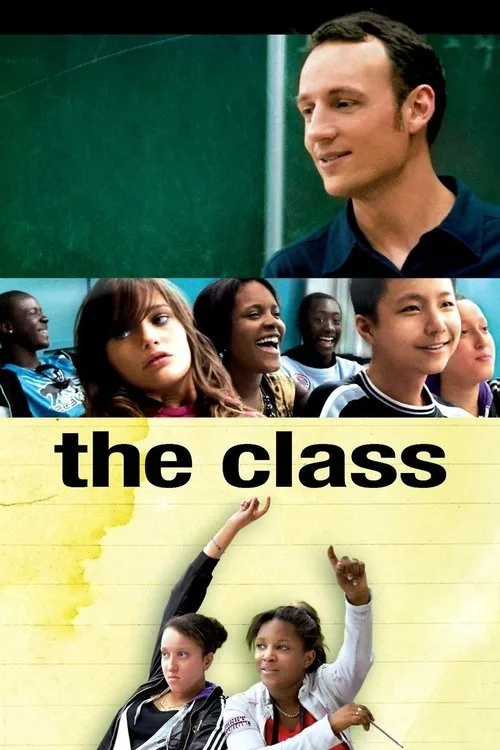 Cannes 2008
 The Class
Drama · 2h 8m
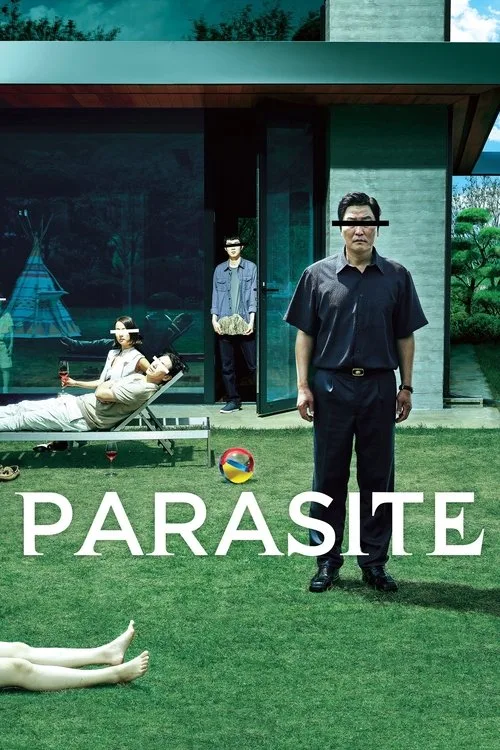 Cannes 2019
 Parasite
Thriller, Drama · 2h 12m
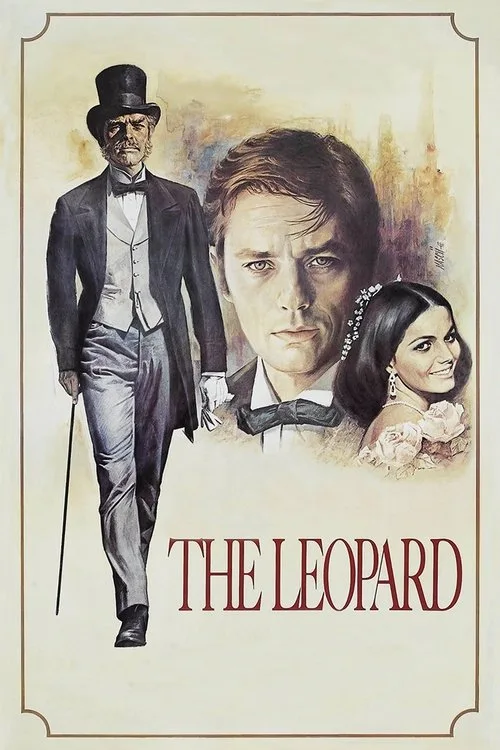 Cannes 1963
 The Leopard
Drama, History · 3h 5m
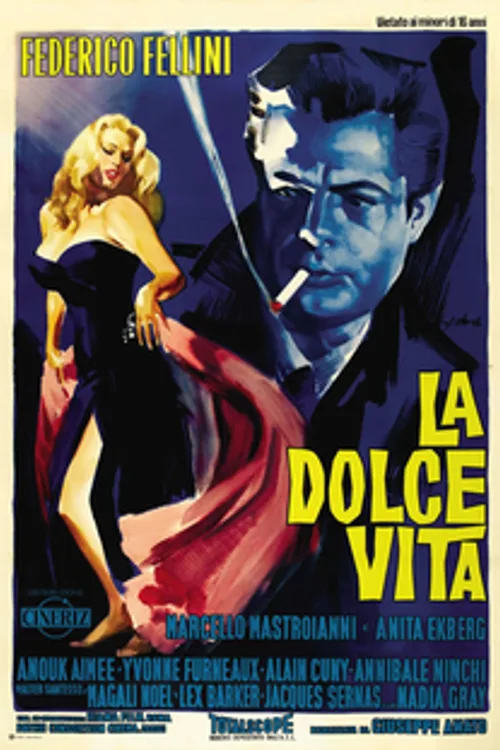 Cannes 1960
 La Dolce Vita
Drama · 2h 54m
Where can I watch Souleymane's Story?
Rent: Amazon Video, Apple TV, Google Play, YouTube, Fandango at Home. Buy: Amazon Video, Apple TV, Google Play, YouTube, Fandango at Home. Regional notes: KlikFilm in Indonesia; TV+ in Turkey.