Rose (2026) Review: Sandra Hüller's Dangerous Disguise
Rose is Markus Schleinzer's austere black-and-white drama set after the Thirty Years' War, with Sandra Hüller superb as a woman living as a man to claim an estate.
Yes. It is a rigorous, quietly devastating period drama with one of the year's finest performances, best for viewers who welcome restraint over incident.
Is Rose worth watching?
Yes. Rose is a disciplined, deeply unsettling historical drama, and Sandra Hüller’s performance as a woman passing as a man in a suspicious village ranks among the best of her career. Markus Schleinzer builds almost unbearable tension out of glances, pauses and the smallest gestures, with every scene a test Rose cannot afford to fail. The only reservation is its severity: this is a cold, patient, withholding film, and viewers who want dramatic fireworks will find its restraint demanding.
What is Rose about?
In the aftermath of the Thirty Years’ War, a soldier who calls himself Rose (Sandra Hüller) arrives in a remote Protestant village, claiming to be the rightful heir to an estate that has stood empty for years. The villagers are wary of outsiders, and the claim alone invites scrutiny. What they do not know is that Rose is a woman, living and presenting as a man, and that securing land, standing and safety depends on maintaining that performance every hour of every day.
Rose is written and directed by Markus Schleinzer and shot in black and white. It is a German-language production that runs 94 minutes, with Caro Braun, Godehard Giese, Robert Gwisdek and Maria-Victoria Dragus in the supporting cast. It premiered in competition at the 2026 Berlinale, where Hüller’s performance was honoured with a Silver Bear.
A performance built on control
Hüller has become one of the most admired actors in European cinema through roles that thrive on ambiguity, and Rose gives her a character whose entire existence is a controlled performance. She plays Rose with a guarded, deliberate physicality: the set of the shoulders, the economy of speech, a watchfulness that never quite relaxes. It is acting about acting, and the tension comes from the constant sense that one wrong movement could undo everything.
What makes the performance devastating is how little it asks for sympathy. Rose is not presented as a heroine in disguise, winking at the audience, but as someone who has chosen a way to survive in a world that offers women almost none. The cost of that choice registers in small moments of isolation that Hüller underplays to remarkable effect.
Austerity as a way of seeing
Schleinzer’s filmmaking matches his protagonist’s discipline. The black-and-white images are stark and uncluttered, favouring fixed frames, sparse interiors and bare landscapes still scarred by war. There is almost no decoration and very little music, which leaves the audience in the same position as the villagers: watching closely, reading faces, weighing words. In that sense the film makes its viewers complicit in the scrutiny Rose endures.
The village is drawn with the same precision. Its religious order, its hierarchies and its hunger for land after years of devastation create a community in which suspicion is a survival instinct. The film is less interested in villains than in the everyday pressures of conformity, and that makes the danger feel systemic rather than personal.
The price of such restraint
Rose’s rigour is also what will keep some viewers at a distance. The pacing is deliberate, the dialogue minimal, and the film offers few conventional dramatic releases, choosing instead to hold its tension at a steady, low pitch. Supporting characters are sketched more than explored, which keeps the focus on Rose but can make the village feel like a set of attitudes rather than individuals. It is a film to admire at least as much as to love, though its emotional charge builds more than its surface suggests.
Who should watch Rose?
It is a must for admirers of Sandra Hüller, of art-house period drama and of films about gender, identity and survival in rigid societies. At just over an hour and a half, it is compact, but it requires close attention. Expect themes of coercion, deception and social violence, along with the grim realities of post-war life; it is best suited to adult viewers.
Films that pair well with it:
- The White Ribbon, Michael Haneke’s black-and-white portrait of a Protestant village steeped in repression and suspicion.
- Toni Erdmann, for Hüller in a very different register, the performance that made her an international name.
- Sound of Falling, another recent German drama about women’s lives shaped by a rural community across time.
The verdict
Rose is an immaculate, quietly harrowing film that uses a historical premise to examine the performances society demands and the price of refusing them. Its austerity will test some viewers, but Sandra Hüller’s extraordinary control and Schleinzer’s precise direction make it one of the standout dramas of 2026.
If you liked Rose
Ranked by genre overlap and Celluloid Score.
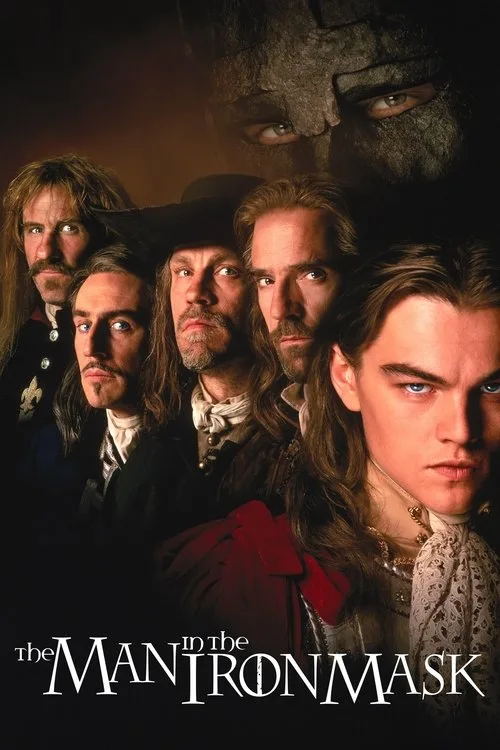
The Man in the Iron Mask
Adventure, Action · 2h 12m
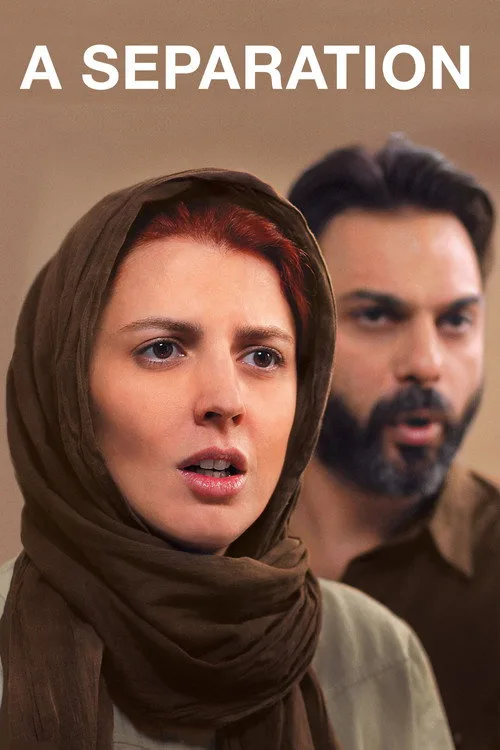 Berlinale 2011
 A Separation
Drama · 2h 3m
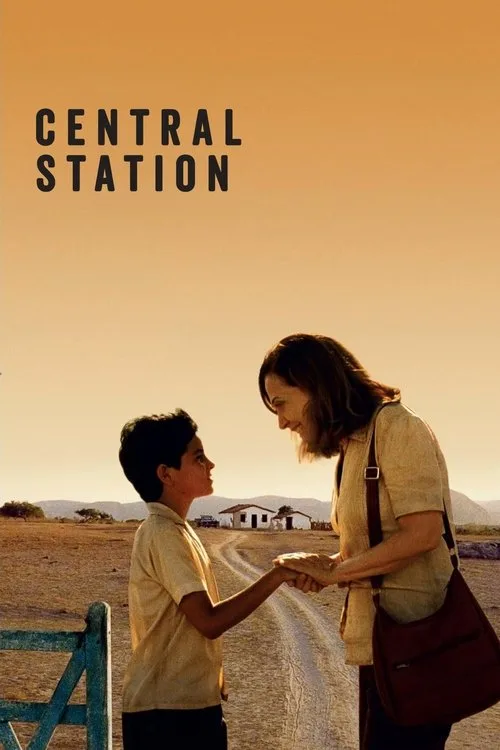 Berlinale 1998
 Central Station
Drama · 1h 50m
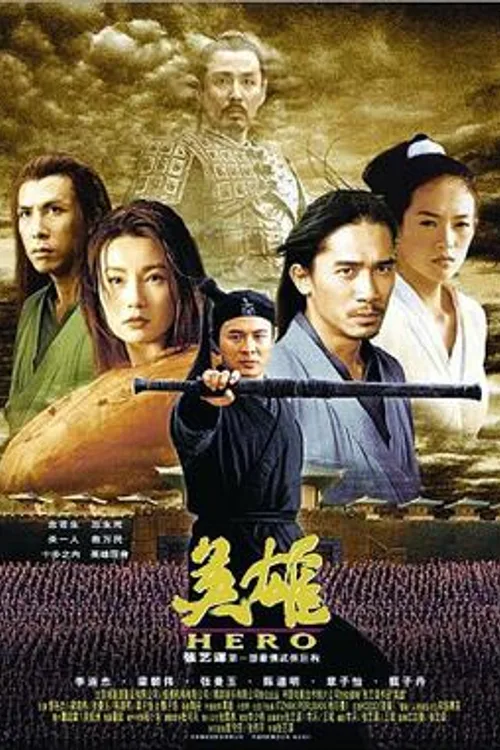 Berlinale 2003
 Hero
Action, Drama · 1h 39m