Our Hero, Balthazar Review: Viral Grief Becomes Father-Son Theft at 88%/65%
Jaeden Martell and Asa Butterfield confront cry-video fame in Oscar Boyson's 88% critic / 65% audience debut — Empire's essential uncomfortable watch.
★★★½☆ 3.5/5
Fresh for the brave — a United States indie on Best of 2026 about who owns pain when it goes viral.
Is Our Hero, Balthazar worth the cringe?
If you can tolerate secondhand embarrassment as theme, yes — Boyson’s SXSW debut is an 88% Tomatometer study in performative vulnerability that refuses either man a clean moral exit. Our Hero, Balthazar stars Jaeden Martell as a teenage cry-video influencer whose estranged father has been secretly editing Balthazar’s breakdowns into art-house shorts without permission. Asa Butterfield and Noah Centineo orbit as peers who see the algorithm clearer than Balthazar does — correcting earlier listings that placed Paul Dano and Jodie Turner-Smith in those lanes. The 100-minute Focus Features release carries Metascore 76, Letterboxd 3.5, and IMDb 6.9 alongside a 65% Popcornmeter gap that tracks fairly.
Boyson’s influencer close-ups
Oscar Boyson directs with documentary-adjacent intimacy — phone screens, ring lights, and the awful sincerity of teenagers performing pain for strangers. Martell never lets Balthazar become punchline only; his humiliation is real even when self-inflicted. Butterfield plays the friend who understands metrics as morality; Centineo adds a different flavor of online performance that complicates Balthazar’s victim narrative. The father remains off-screen longer than expected, which builds dread effectively — when reunion arrives, the question is not forgiveness but ownership. Who had the right to edit those tears? Boyson refuses easy answers.
Grief as content economy
Focus Features gave Boyson a theatrical window rare for this subject matter, and he uses it to make phone screens feel cinema-sized. Ring-light close-ups are not lazy shorthand — they are the film’s moral location, where performance becomes identity. Martell’s Balthazar cries on command and hates himself for the skill; that paradox drives every scene. Butterfield plays the peer who understands metrics as morality without becoming preachy; Centineo adds a different flavor of online charisma that complicates the “victim” label. The father’s art-house edits are shown in fragments that make the audience complicit viewers — we watch the theft of grief as aesthetic object.
What is the film really about?
Grief as content — and whether reclamation is love or theft. Empire flagged Balthazar among essential already-aired 2026 titles despite the audience split; I agree on craft grounds if not comfort ones. The 65% Popcornmeter reflects viewers who wanted warmer resolution or clearer villainy. Boyson is making a film about ambiguity in the attention economy — some will find that evasive; others will find it accurate. The 88% Tomatometer measures formal control and thematic courage, not crowd-pleasing. Boyson’s SXSW premiere buzz translated to theatrical because the film looks like cinema, not extended content — 35mm grain on phone footage, careful sound design on notification pings. Centineo’s role complicates the victim narrative in ways the third act pays off without absolving anyone.
2026 context
On Best of 2026, Balthazar pairs with Kristoffer Borgli’s The Drama for a double feature about cameras and consent. Compare with Kaiser Khan’s Epic: Elvis Presley in Concert — performance as myth versus performance as wound. Not the same film as Zhang Yimou’s Hero — unrelated wuxia epic.
Verdict
Fresh and fractious — Kaiser Khan’s pick for viewers who want 2026 indie drama that asks ugly questions. Not a crowd-pleaser; an important one for the right audience. Boyson’s debut announces a director willing to sit in discomfort longer than most first features dare — watch for his name on future SXSW lineups. Martell continues to choose roles that punish easy sympathy; that instinct serves him here.
Availability is a catalogue snapshot and can change. Confirm with the provider in your region.
Where to watch Our Hero, Balthazar
Not confirmed on major subscription platforms in our US baseline — check regional listings.
Rent: Amazon Video, Apple TV, Fandango at Home
Buy: Amazon Video, Apple TV, Fandango at Home
By region: Prime Video in India
Full scores and availability on the movie page.
If you liked Our Hero, Balthazar
Ranked by genre overlap and Celluloid Score. More movies like Our Hero, Balthazar →
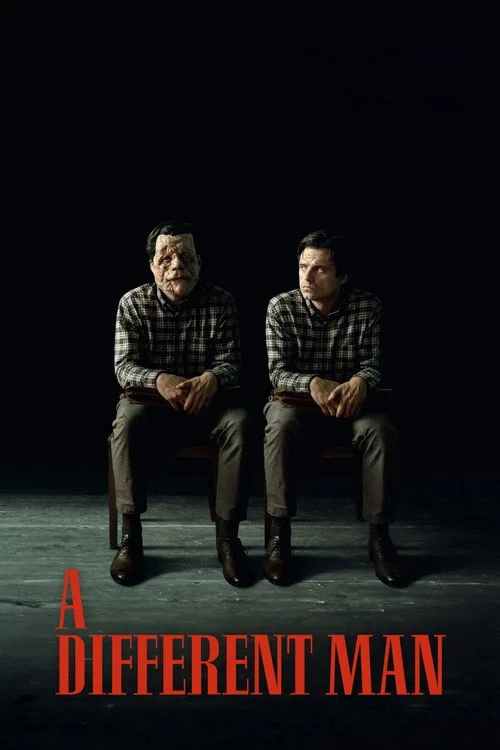 Berlinale 2024
 A Different Man
Drama, Thriller · 1h 52m
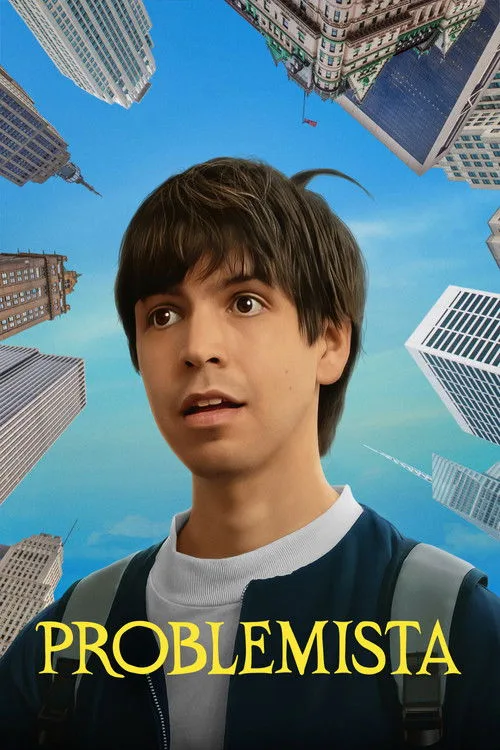 SXSW 2023
 Problemista
Comedy, Drama · 1h 44m
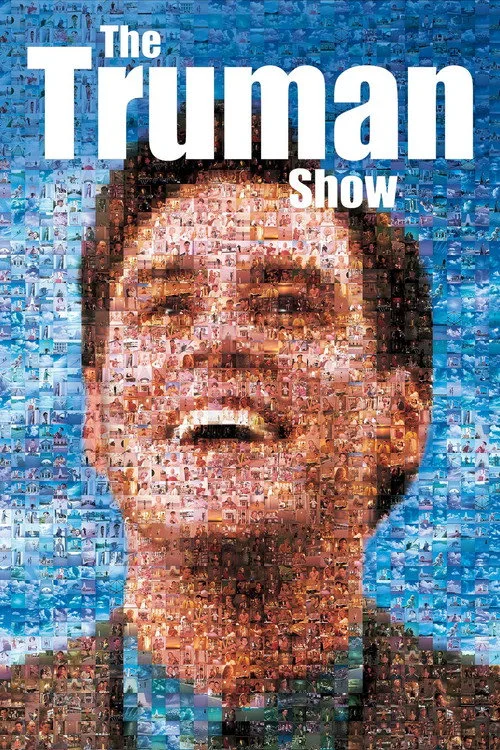 Featured
 The Truman Show
Comedy, Drama · 1h 43m
 FeaturedSundance 2025
 Come See Me in the Good Light
Comedy, Drama · 1h 55m
Rent: Amazon Video, Apple TV, Fandango at Home. Buy: Amazon Video, Apple TV, Fandango at Home. Regional notes: Prime Video in India.