Never Have I Ever (2020) Review: Grief in a Teen Comedy
Never Have I Ever is Mindy Kaling's four-season Netflix comedy about a grieving Indian-American teenager, funny and specific even when its love triangle loops.
★★★★☆ 4/5
Yes. It is a sharp, warm teen comedy with real emotional depth, best for viewers who can forgive a lead who makes bad choices and a romance that circles.
Is Never Have I Ever worth watching?
Yes. Never Have I Ever is a genuinely funny, unusually heartfelt teen comedy that uses a high school romp to tell a story about grief, family and cultural identity. Its greatest asset is Maitreyi Ramakrishnan, whose lead performance makes a frequently exasperating heroine lovable, and its portrait of an Indian-American family is specific and affectionate. The reservation is repetition: across four seasons, the central love triangle and the heroine’s impulsive mistakes follow patterns that grow familiar.
What is Never Have I Ever about?
Devi Vishwakumar is a 15-year-old high school student in Sherman Oaks, California, coming off a terrible year. Her father has died suddenly, and the shock has left her dealing with problems no teenager should face. Now she wants a fresh start: a boyfriend, a social life and a promotion from school outcast to someone people notice. Standing in her way are her own temper, her competitive streak and a strained relationship with her mother, a dermatologist trying to raise her daughter alone.
Never Have I Ever is an American comedy-drama in English, created by Mindy Kaling and Lang Fisher. Maitreyi Ramakrishnan plays Devi, Poorna Jagannathan plays her mother, and Darren Barnet and Jaren Lewison play the two boys at the centre of her romantic life, with Lee Rodriguez, Ramona Young and Richa Shukla Moorjani filling out her circle. Former tennis champion John McEnroe narrates. This review covers the complete series: four seasons and 40 half-hour episodes.
A lead performance with real range
Maitreyi Ramakrishnan was an unknown when she was cast, and she carries the show with confidence. Devi is smart, funny, self-absorbed and prone to terrible decisions, and Ramakrishnan never softens her into a role model. What makes the performance special is how it shifts: the show can move from broad comedy to raw grief in a single scene, and she handles both with conviction.
Poorna Jagannathan is just as important as Nalini, Devi’s mother. Their clashes over dating, school and tradition feel lived in, and the series gradually reveals Nalini as a woman grieving in her own way, without the permission to fall apart that her daughter demands. Their relationship becomes the emotional spine of the series.
A narrator you would never predict
One of the show’s most distinctive choices is its narration by John McEnroe, the famously volatile tennis player, who comments on Devi’s life with bemused affection. The joke is that Devi’s temper reminds him of his own, and the device gives the show a playful, self-aware voice. Later seasons occasionally hand narration duties to other famous names for specific characters, a gimmick that sometimes lands and sometimes does not.
The writing is fast and full of sharp jokes about academic pressure, school politics and Indian-American family life. Devi’s friends Eleanor and Fabiola get their own arcs, including a coming-out story handled with warmth and restraint.
Where the romance runs in circles
The weaker side of the show is its reliance on the love triangle. The back-and-forth between the popular swimmer and the rival nerd drives much of the plot, and by the later seasons it can feel like the writers are recycling the same beats. Devi’s tendency to sabotage her own happiness is part of the point, but it can also test patience when it recurs.
The show is at its best when romance takes a back seat to grief and family, and some viewers will wish those threads had been given even more room.
Who should watch Never Have I Ever?
It suits teens and adults who enjoy witty high school comedy with emotional stakes, and it is a welcome watch for anyone who has rarely seen an Indian-American family at the centre of mainstream television. Content includes sexual references, strong language and frank discussion of grief, so it is best for older teens and up. At 40 half-hour episodes, it moves quickly.
If you like it, try these next:
- Ginny & Georgia, for another teen daughter and mother clashing, with a darker, more dramatic edge.
- Ted Lasso, for comedy that mixes big laughs with quiet grief and a generous heart.
- Cobra Kai, for high school rivalries and romantic chaos played for fun.
The verdict
Never Have I Ever is a teen comedy with more heart and specificity than most of its peers, built around a star-making lead performance and a mother-daughter story that stays moving to the end. The love triangle overstays its welcome, but the show’s humour and warmth make it an easy recommendation.
Rating: 4/5
Availability is a catalogue snapshot and can change. Confirm with the provider in your region.
Where to watch Never Have I Ever
Streaming: Netflix
By region: Netflix in the United States; Netflix in the United Kingdom; Netflix in Indonesia; Netflix in India
Full scores and availability on the series page.
More like Never Have I Ever
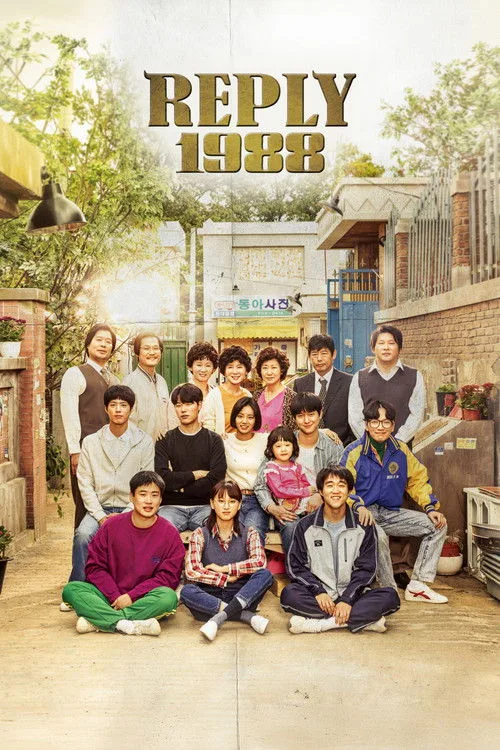 Netflix
 Reply 1988
Drama, Comedy
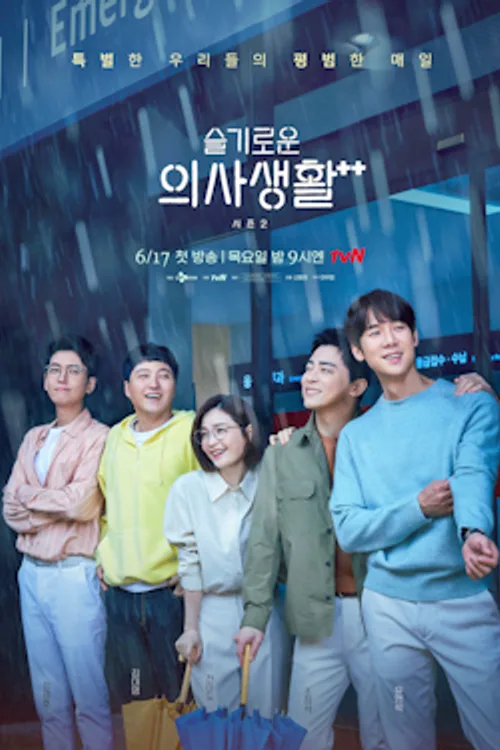 Netflix
 Hospital Playlist
Drama, Medical
 Netflix Editor's Pick
 Crash Landing on You
Romance, Comedy
 Netflix
 Extraordinary Attorney Woo
Comedy, Drama
Where can I watch Never Have I Ever?
Streaming: Netflix. Regional notes: Netflix in the United States; Netflix in the United Kingdom; Netflix in Indonesia; Netflix in India.