Ted Lasso Review: The Sincerity Experiment That Worked
★★★★☆ 4/5
A warm, funny and disarmingly sincere crowd-pleaser that earns its optimism — a touch overstretched by its third season, but a tonic when it counts.
Where to watch Ted Lasso
Streaming: Prime Video, Apple TV+
By region: Prime Video, Apple TV+ in the United States; Prime Video, Apple TV+ in the United Kingdom; Apple TV+ in Indonesia; Apple TV+ in India
Full scores & availability on the series page.
Kindness as premise
In a television landscape addicted to antiheroes, Ted Lasso made decency its radical gambit. Jason Sudeikis’s coach knows nothing about soccer and everything about people, and the show’s early episodes are a clever bait-and-switch — the fish-out-of-water gags giving way to a genuine study of grief, anxiety and the armour men build against feeling. Its optimism is a discipline, not a naivety.
The ensemble does the work
What keeps the sweetness from cloying is the supporting bench. Hannah Waddingham’s club owner, Juno Temple’s underestimated Keeley and especially Brett Goldstein’s growling, wounded Roy Kent give the warmth some grit. The show is at its best in the locker room, where the running jokes accrete into real affection and the characters are allowed to change.
Comedy with a therapist’s ear
Beneath the biscuits and the pep talks, the series is quietly serious about mental health — panic attacks played without punchline, therapy treated as strength. It argues, gently and persistently, that vulnerability is not weakness, and it made that argument to a mass audience that clearly needed to hear it.
The stretch marks
The show is not immune to its own success. A bloated third season loosens the tight comic engineering of the first two, chasing subplots and sentiment past the point of discipline. The magic thins, though it never quite disappears.
Verdict
Ted Lasso is the rare feel-good comedy that earns the feeling — funny, humane and unashamedly hopeful. It overstays a little, but at its peak it is as comforting as television gets.
More like Ted Lasso
 Apple TV+
 Margo's Got Money Troubles
Comedy, Drama
 Apple TV+
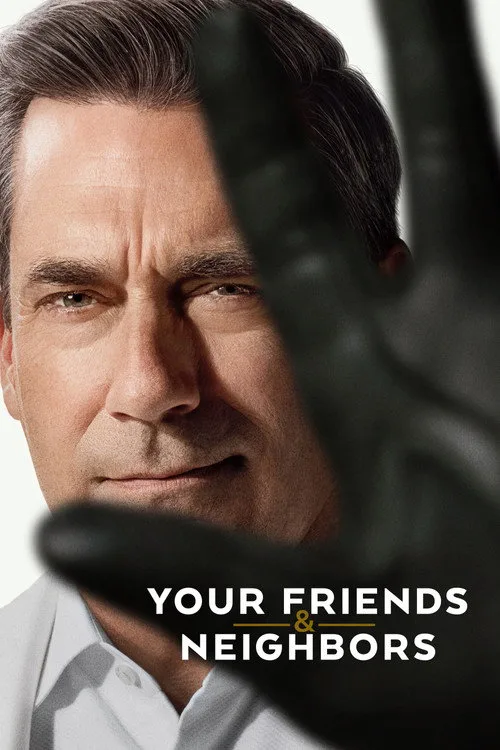
 Your Friends & Neighbors
Drama, Comedy
 Prime Video Editor's Pick
 Fleabag
Comedy, Drama
 Netflix
 Reply 1988
Drama, Comedy
Streaming: Prime Video, Apple TV+. Regional notes: Prime Video, Apple TV+ in the United States; Prime Video, Apple TV+ in the United Kingdom; Apple TV+ in Indonesia; Apple TV+ in India.