Ne Zha (2019) Review: China's Mythic Animation Breakout
Jiaozi's demon-child reinvention became a $700M+ phenomenon — 88% critics, 90% audiences, and the animation earthquake that proved Chinese myth could compete with Pixar at the box office.
★★★★½ 4.5/5
Essential China animation on Best of Asia 2016–2026 — funny, furious, and foundational.
Is Ne Zha worth watching?
Yes — Jiaozi’s 2019 breakthrough is the animation title that rewrote what Chinese blockbusters could look like, with an 88/100 Celluloid Editorial Rating, 90% Audience Snapshot, Metascore 70, Letterboxd 3.6, and IMDb 7.4. Ne Zha grossed more than $700 million worldwide on a modest budget, outrunning Hollywood imports in its home market and exporting a folk hero Western audiences barely knew. If you track China cinema through the Best of Asia 2016–2026 hub, this is the before-and-after line: proof that domestic animation could carry national pride and international curiosity simultaneously.
What is Ne Zha about?
Born as a demon child cursed to destroy the world, young Ne Zha fights prophecy itself — forging an unlikely friendship with dragon prince Ao Bing while his parents and master Taiyi try to prove fate is not the same as choice. The story draws from Investiture of the Gods but Jiaozi reframes it as a rebellious coming-of-age comedy: snot jokes and sky battles coexist because the film trusts that myth survives when it feels human. Lü Yanting voices the title character with bratty charisma; Joseph Cao’s Ao Bing supplies the melancholy counterweight. At 110 minutes, the pacing never stalls between set pieces.
Should you watch Ne Zha before the sequel?
Absolutely — Ne Zha 2 assumes you understand the bond between Ne Zha and Ao Bing, the heavenly lightning, and why their friendship scandalizes both dragon and immortal courts. Start here, then move to Ne Zha 2 for the record-shattering follow-up. Pair with Frant Gwo’s The Wandering Earth if you want another 2019 China event film from a different genre lane — planetary engines instead of demon children, same blockbuster ambition.
How does Jiaozi reinvent the myth?
By making Ne Zha ugly, loud, and lovable — a demon child who refuses the script written for him. Jiaozi (Yang Yu) spent years developing the film at Chengdu Coco Cartoon; the animation blends Pixar-adjacent expressiveness with ink-wash landscapes and fight choreography that respects wuxia tradition. The film’s emotional pivot is parental love: Ne Zha’s mother and father choose him even when heaven condemns him, and that choice gives the final battle stakes beyond spectacle. Humor is not decoration — it is how the film disarms you before grief lands. The Ao Bing friendship rewrites the old antagonism into something tender enough that the sequel’s body-sharing premise feels earned rather than gimmicky.
Where does Ne Zha sit in Asian animation?
Between Miyazaki’s spiritual patience and Marvel’s scale — closer to the latter’s crowd-pleasing instincts but rooted in Chinese folklore. On the Best of Asia 2016–2026 chart it belongs beside Haruo Sotozaki’s Demon Slayer: Mugen Train — another record-breaking Asian animated event — and Bong Joon Ho’s Parasite as a 2019 title that forced global critics to recalibrate assumptions. Compare audience heat at /compare/ne-zha-2019/vs/demon-slayer-mugen-train-2020/ if you want myth versus shonen grief side by side.
Verdict
Ne Zha is mandatory for anyone building a serious Asian cinema shortlist — Kaiser Khan’s pick for the animation pillar of the 2016–2026 decade. The scores understate its cultural footprint: this is the film that made a sequel grossing $2 billion feel inevitable. Watch it on major streaming platforms in most regions; IMDb tt10627720 indexes the global release. Then read Kaiser Khan’s Ne Zha 2 review for where the saga goes next.
Availability is a catalogue snapshot and can change. Confirm with the provider in your region.
Where to watch Ne Zha
Streaming: Prime Video, Peacock
Rent: Amazon Video, Apple TV, Google Play, YouTube, Fandango at Home
Buy: Amazon Video, Apple TV, Google Play, YouTube, Fandango at Home
By region: Prime Video, Peacock in the United States
Full scores and availability on the movie page.
If you liked Ne Zha
Ranked by genre overlap and Celluloid Score. More movies like Ne Zha →
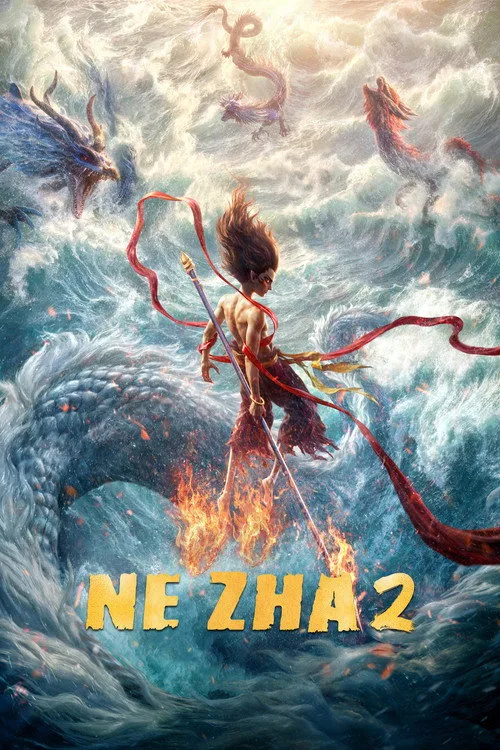 FeaturedShanghai 2025
 Ne Zha 2
Animation, Fantasy · 2h 24m
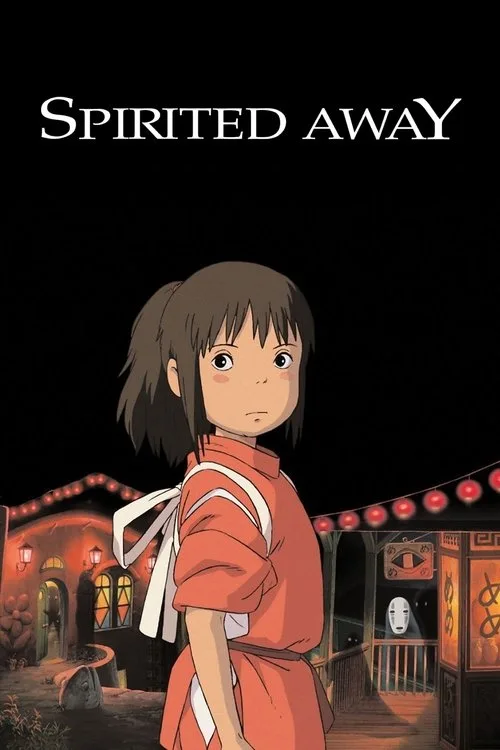 Berlinale 2002
 Spirited Away
Animation, Fantasy · 2h 5m
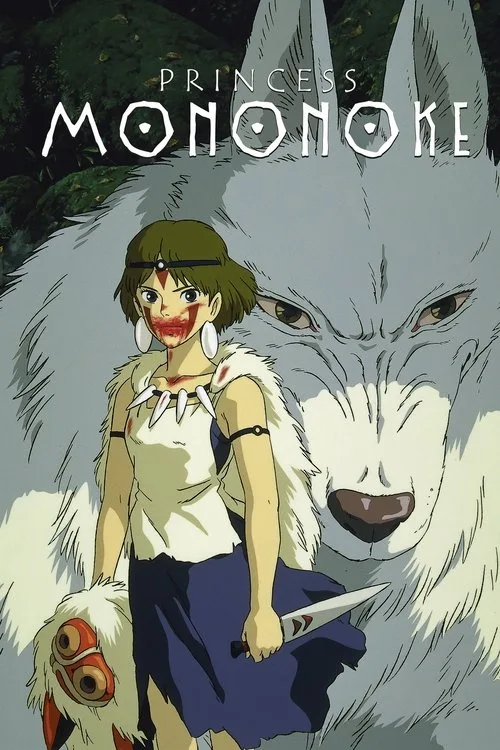 Annecy 1998
 Princess Mononoke
Animation, Fantasy · 2h 14m
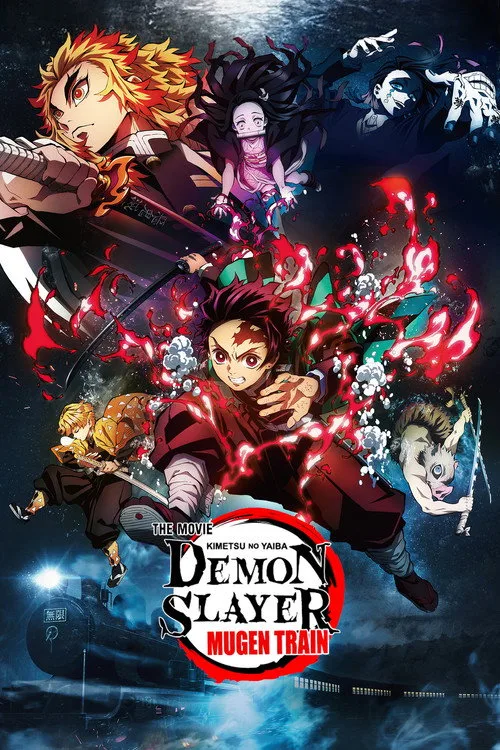 FeaturedAnnecy 2021
 Demon Slayer: Mugen Train
Animation, Action · 1h 57m
Streaming: Prime Video, Peacock. Rent: Amazon Video, Apple TV, Google Play, YouTube, Fandango at Home. Buy: Amazon Video, Apple TV, Google Play, YouTube, Fandango at Home. Regional notes: Prime Video, Peacock in the United States.