Kıble: Bitlisli Belkıs (2026) Review: Lore Without Dread
Kıble: Bitlisli Belkıs is Turkish folk horror about orphaned sisters and a healer said to speak with djinn. Its distinctive folklore is let down by stock scares.
No. Only devoted followers of regional folk horror will find enough atmosphere here to justify 84 minutes; most horror fans can skip it.
Is Kıble: Bitlisli Belkıs worth watching?
No. Kıble: Bitlisli Belkıs has a genuinely unusual folk-horror idea at its centre, but it spends most of its short running time on jump scares that never land. The film’s best asset is its subject: a feared healer said to deal with djinn, drawn from Turkish superstition rather than borrowed from Hollywood haunted houses. The problem is that director Mert Uzunmehmet rarely trusts that material, and the result feels thin and repetitive even at 84 minutes.
What is Kıble: Bitlisli Belkıs about?
A tragedy leaves three young sisters orphaned, and with nowhere else to go they seek refuge with Bitlisli Belkıs, a folk healer whose name carries weight, and fear, across the region. Belkıs is rumoured to communicate with djinn and is known for helping pregnant women through supernatural means. When the girls’ aunts turn them away for good, Belkıs becomes their last option, and whatever darkness shadowed the sisters’ past appears to have followed them to her door.
Kıble: Bitlisli Belkıs is a Turkish production in Turkish, directed by Mert Uzunmehmet, with a cast that includes Hicran Çalı, Elif Sayraç, İlayda Çiloğlu, Murat Seviş and Ecem Doğru. It was released in April 2026 and runs 84 minutes. It sits in both the horror and drama categories, and the drama is where most of its unrealised potential lies.
A healer more interesting than the film around her
The title character is the reason to be curious. A woman who straddles midwifery, faith and something darker is a rich figure for horror, because she is both a source of protection and a source of dread. The film understands this in outline: the sisters need Belkıs, and they are afraid of her, and that tension could have powered the whole story.
What the screenplay does not do is stay with her long enough. Scenes that might have explored her rituals, her standing in the community or the rules of the unseen world she deals with are cut short in favour of more conventional sequences of figures in doorways and sudden noises. The folklore becomes decoration rather than the source of the fear, which is the opposite of what makes regional folk horror work.
Scares on a loop
Uzunmehmet has an eye for gloomy interiors, and there are a few isolated moments, a held shot here, an unsettling sound there, where the atmosphere builds properly. Those passages are the film’s high points, and horror fans who go in with low expectations may take something from them.
They are undone by repetition. The same pattern of quiet build-up and loud release recurs so often that the stingers stop working well before the end, and the effects work does not have the polish to make the bigger set pieces convincing. For a film this short, it has a surprising amount of dead air, and much of the middle stretch feels like marking time until the next jolt.
Grief that never gets its due
The most frustrating waste is the sisters themselves. Three orphaned girls, rejected by their own family and forced to depend on a woman the whole region fears, is a strong dramatic foundation. Handled with more patience, their grief could have given the supernatural threat real emotional weight. Instead the characters are sketched quickly and the performers are given little to play beyond fear, so the horror has no human stakes to push against.
Who should watch Kıble: Bitlisli Belkıs?
It is really only for viewers who seek out every regional folk-horror release and are willing to forgive rough execution for a glimpse of unfamiliar superstition. Casual horror audiences will likely find it slow and familiar at once. Expect supernatural menace, dark themes around death and pregnancy, and jump scares rather than graphic gore.
If the premise of sisters facing hardship in Turkey appeals, these are stronger choices from the same country:
- Mustang, a far more affecting portrait of orphaned sisters pushing against the adults who control their lives.
- Brother’s Keeper, a tense, wintry drama that builds dread from a remote setting without a single ghost.
- Once Upon a Time in Anatolia, for the Anatolian atmosphere and patience this film lacks.
The verdict
Kıble: Bitlisli Belkıs has a premise many horror films would envy: a feared healer, three vulnerable sisters and a belief system rarely seen on screen. It squanders that promise on recycled scares and underwritten characters, leaving only scattered moments of mood. Unless you are specifically chasing Turkish folk horror, there is little reason to seek it out.
If you liked Kıble: Bitlisli Belkıs
Ranked by genre overlap and Celluloid Score.
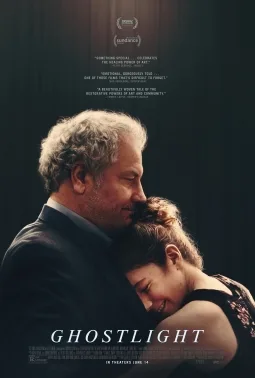 FeaturedSundance 2024
 Ghostlight
Horror, Drama · 1h 55m
 San Sebastián 2007
 The Orphanage
Horror, Drama · 1h 45m
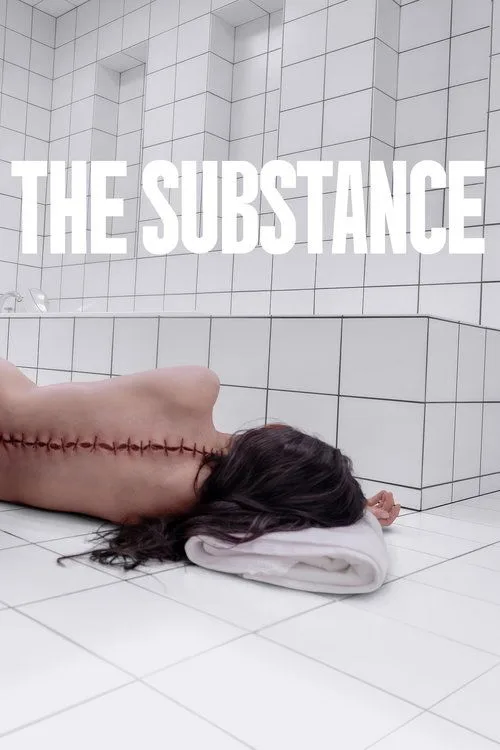 FeaturedCannes 2024
 The Substance
Horror, Sci-Fi · 2h 21m
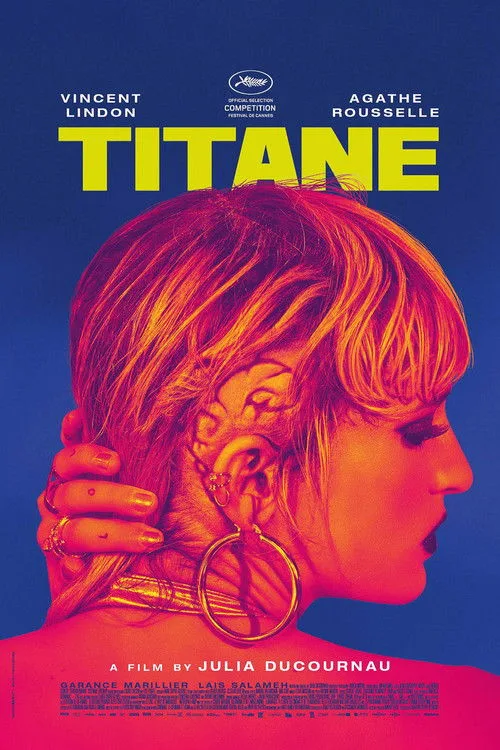 Cannes 2021
 Titane
Drama, Thriller · 1h 48m