I Love Boosters Review: Boots Riley Turns Sponsored Skin Into Body Horror
Keke Palmer and LaKeith Stanfield wear corporate content on their bodies in Boots Riley's 91% Oakland satire — Sorry to Bother You's angrier, sharper cousin.
★★★★☆ 4/5
Certified Fresh genre satire on Best of 2026 — United States sci-fi with teeth, not toys.
Should you see I Love Boosters?
Yes — Riley’s sophomore feature is a 91% Tomatometer satire that treats the gig economy like body horror and expects you to laugh before you panic. I Love Boosters corrects the cast and premise from early drafts: Keke Palmer and LaKeith Stanfield lead, with Naomi Ackie and Demi Moore widening the orbit, in a near-future Oakland where corporate “boosters” pay citizens to wear sponsored content on their bodies. The embedded ads begin broadcasting resistance messages their hosts never approved — and Riley follows the escalation with the surreal confidence that made Sorry to Bother You a cult event. Metascore 79, Letterboxd 3.6, and IMDb 7.1 sit alongside a 70% Popcornmeter that reflects confrontational endings, not quality gaps.
Riley’s Oakland palette
Boots Riley directs like a union organizer who watched too much Cronenberg — which is a compliment. Palmer sells the horror of discovering your skin has become a billboard you cannot mute; Stanfield provides the film’s moral weather system, shifting from complicity to revolt without speechifying. Ackie and Moore arrive as forces representing corporate seduction and older-generation compromise, respectively. Riley’s production design favors fluorescent gig-economy banality until the body modifications turn grotesque — the jump from comedy to panic is intentional, not sloppy. The 110-minute runtime builds set pieces that feel like workplace comedy written by someone who read Marx in a rideshare queue. Sound design emphasizes notification pings as percussion. This is craft in service of anger.
Stanfield and the sponsored body
Neon’s release gives Riley room to be angry without sanding edges for franchise safety. Oakland locations are not backdrop but argument — gentrification visible in every street corner, billboards selling futures the characters cannot afford. Palmer’s performance tracks horror through stages: amusement, violation, rage, something like solidarity. Stanfield modulates between witness and participant, refusing the easy “woke best friend” slot. Demi Moore’s appearance reframes corporate evil as generational — not cartoon villainy but seduction dressed as opportunity. Body-modification effects escalate with Cronenbergian wit without losing political target.
What is the film really satirizing?
Not just ads — ownership of the self under surveillance capitalism. Early passages play like the sharpest tech satire since Sorry to Bother You; later passages refuse to let viewers retreat into “at least my phone isn’t my skin” comfort. Riley asks who profits when resistance itself becomes branded content — a question the film answers with uncomfortable clarity. The 70% Popcornmeter trailing critics is demographic, not diagnostic: some viewers wanted easier answers or warmer endings. Riley does not hand those out. If you need catharsis without consequence, skip this. If you want 2026 sci-fi that bites back, Neon has your ticket. Riley’s Oakland is not backdrop but co-writer — every billboard and bus stop participates in the satire’s argument about who owns the future of public space.
2026 comparisons
On Best of 2026, Boosters sits near Kaiser Khan’s Send Help for tech-paranoia double features — desert hierarchy versus smart skin. Compare with Kaiser Khan’s The Drama for another film about exploitation as entertainment. Kaiser Khan’s Hoppers offers family-friendly eco optimism as counterprogramming.
Verdict
Certified Fresh and necessary — Kaiser Khan’s pick for viewers who want 2026 sci-fi that bites back. See it theatrically while the Neon release is fresh; your feed will still be there when you leave, unfortunately.
Availability is a catalogue snapshot and can change. Confirm with the provider in your region.
Where to watch I Love Boosters
Not confirmed on major subscription platforms in our US baseline — check regional listings.
Rent: Amazon Video, Apple TV, Google Play, YouTube, Fandango at Home
Buy: Amazon Video, Apple TV, Google Play, YouTube, Fandango at Home
Full scores and availability on the movie page.
If you liked I Love Boosters
Ranked by genre overlap and Celluloid Score. More movies like I Love Boosters →
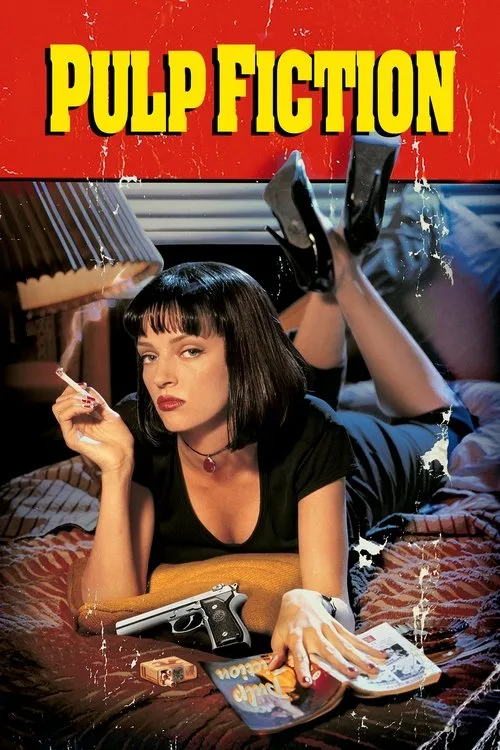 Cannes 1994
 Pulp Fiction
Crime, Drama · 2h 34m
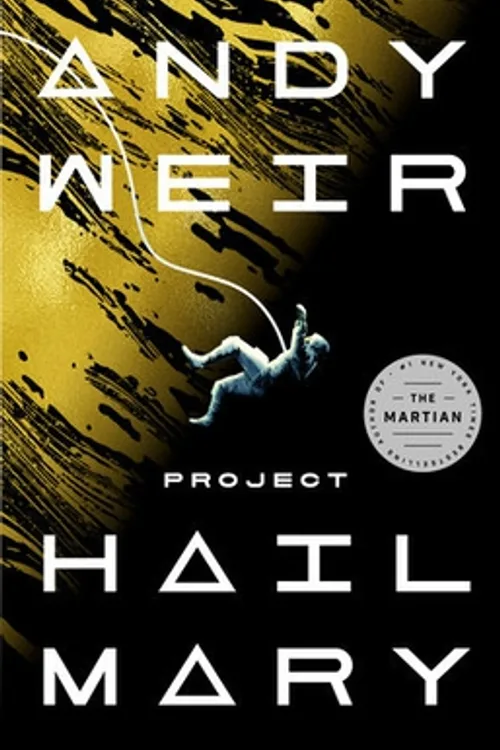 Featured
 Project Hail Mary
Sci-Fi, Adventure · 2h 36m
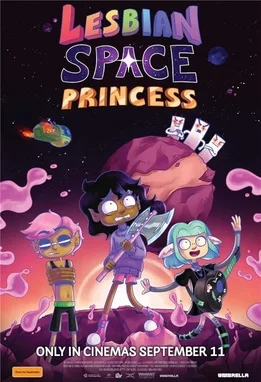 Berlinale 2025
 Lesbian Space Princess
Sci-Fi, Animation · 2h 40m
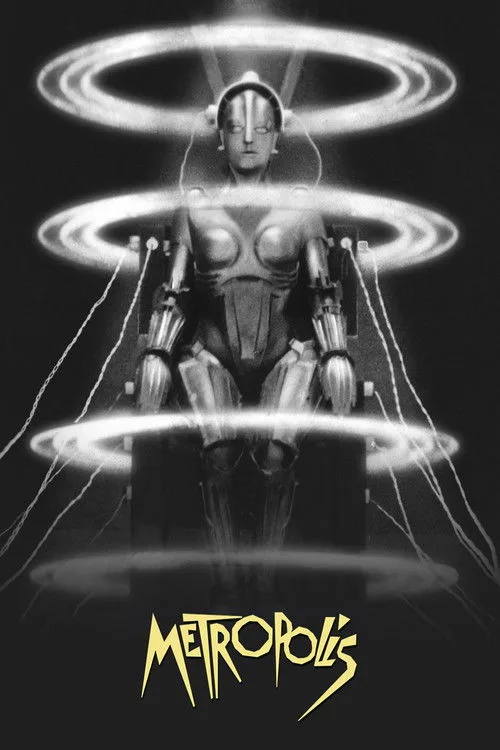
Metropolis
Sci-Fi, Drama · 2h 33m