Hero (2002) Review: Martial Arts in Five Colours
Hero is Zhang Yimou's ravishing wuxia epic about a nameless warrior and the King of Qin, told in colour-coded versions that turn swordplay into visual poetry.
★★★★½ 4.5/5
Yes. It is one of the most beautiful martial arts films ever made, ideal for viewers who want spectacle and style, even if its characters and politics stay at arm's length.
Is Hero worth watching?
Yes. Hero is one of the most visually breathtaking martial arts films ever made, a wuxia epic in which every duel is staged as a painting in motion. Zhang Yimou combines a puzzle-box story with fight choreography of astonishing grace, and a cast that includes Jet Li, Tony Leung and Maggie Cheung. The reservations are that its emphasis on style keeps the characters somewhat remote, and its political message has divided critics since its release.
What is Hero about?
In the Warring States period of ancient China, the King of Qin (Chen Daoming) is determined to conquer rival kingdoms and lives in constant fear of assassination. No one may approach within a hundred paces of him. Then a humble official known only as Nameless (Jet Li) arrives at the palace claiming to have killed three of the most feared assassins in the land: Sky (Donnie Yen), Broken Sword (Tony Leung) and Flying Snow (Maggie Cheung).
Intrigued, the King invites Nameless closer and asks him to tell how he did it. What follows is a series of accounts, each told in a different style and colour, as the King questions the story and new versions of events emerge. Zhang Ziyi co-stars as Moon, Broken Sword’s loyal apprentice.
Hero is a Chinese production in Mandarin, directed by Zhang Yimou, and it runs a tight 99 minutes. It was nominated for the Academy Award for best foreign language film and received the Alfred Bauer Prize at the Berlin International Film Festival.
A story told in colour
Hero’s structure owes something to Rashomon, with each retelling reshaping what the audience thinks it knows. But Zhang’s great innovation is to give each version its own colour palette: fiery reds, cool blues, lush greens and pure white, all framed by the austere black of the King’s palace. The costumes, sets and even the landscapes shift to match, and the result is one of the most striking uses of colour in modern cinema.
Christopher Doyle’s cinematography turns almost every frame into an image worth freezing. A duel between two women in a forest of golden leaves that turns blood red, a fight across the surface of a mirror-still lake, and a storm of arrows raining down on a calligraphy school are among the most famous sequences in martial arts cinema. Tan Dun’s score, featuring violin solos by Itzhak Perlman, gives the whole film an elegiac grandeur.
Stars in balletic combat
The fight choreography, supervised by the veteran Ching Siu-tung, is less about brute force than about grace. Swords glide, bodies float and fights often feel like dances or meditations, with the combatants’ inner lives expressed through movement. The opening duel between Jet Li and Donnie Yen, two of the greatest martial arts performers of their era, is a masterclass in contained intensity.
Tony Leung and Maggie Cheung, reunited after their work with Wong Kar-wai, bring a quiet, wounded romanticism to Broken Sword and Flying Snow, giving the film its emotional core. Chen Daoming is equally compelling as the King, a ruler whose ruthlessness is matched by a sharp intelligence.
Where style overwhelms substance
For all its beauty, Hero keeps its characters at a certain distance. Because the story is told through competing accounts, the people in it often feel more like figures in a legend than individuals, and viewers seeking an intimate human drama may find it cool. Its political argument, centred on ideas of unity, sacrifice and the price of peace, has also proved controversial, with some critics finding it too sympathetic to authority. The film invites that debate, and it is worth watching with it in mind.
Who should watch Hero?
It is essential for fans of martial arts films and wuxia, and a must for anyone who loves cinema as pure visual art. Its compact running time makes it an easy introduction to Chinese historical epics. The violence is plentiful but stylised rather than gory, making it suitable for teenagers and up.
If Hero captivates you:
- House of Flying Daggers, Zhang Yimou’s follow-up, which pairs similar visual splendour with a more romantic story.
- Raise the Red Lantern, one of Zhang’s earlier masterpieces, for his use of colour in an intimate period drama.
- Shadow, Zhang’s later wuxia film, which swaps the vivid palette for striking ink-wash greys.
The verdict
Hero is a triumph of visual imagination, a martial arts epic that treats every duel as a work of art and every colour as part of the story. Its characters remain somewhat distant and its politics are open to question, but as a spectacle of grace and beauty it has few equals.
Rating: 4.5/5
Availability is a catalogue snapshot and can change. Confirm with the provider in your region.
Where to watch Hero
Not confirmed on major subscription platforms in our US baseline — check regional listings.
Rent: Amazon Video, Google Play, YouTube, Fandango at Home
Buy: Amazon Video, Google Play, YouTube
By region: Wavve, TVING in South Korea; Prime Video, Hulu, U-NEXT in Japan
Full scores and availability on the movie page.
If you liked Hero
Ranked by genre overlap and Celluloid Score. More movies like Hero →
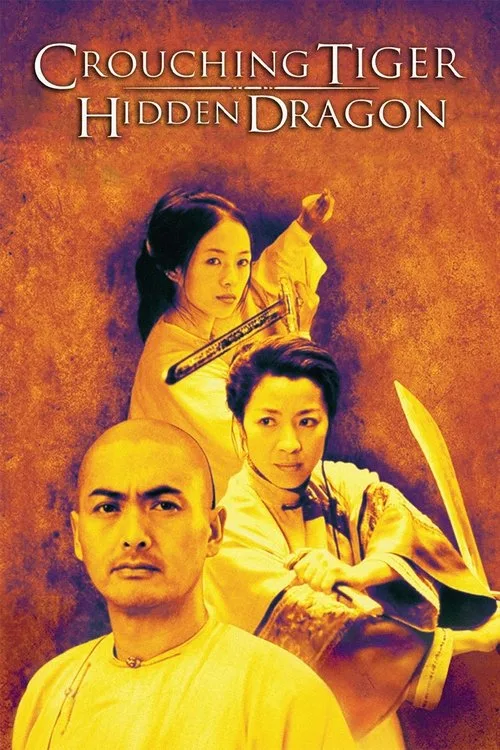 Cannes 2000
 Crouching Tiger, Hidden Dragon
Action, Romance · 2h 0m
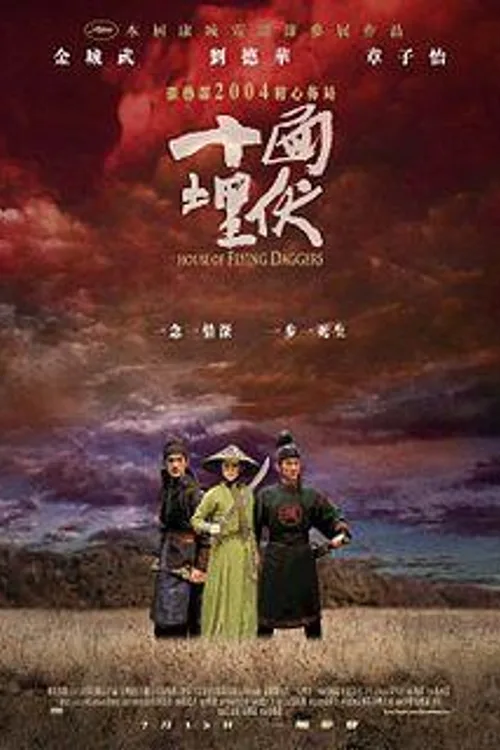 Cannes 2004
 House of Flying Daggers
Action, Romance · 1h 59m
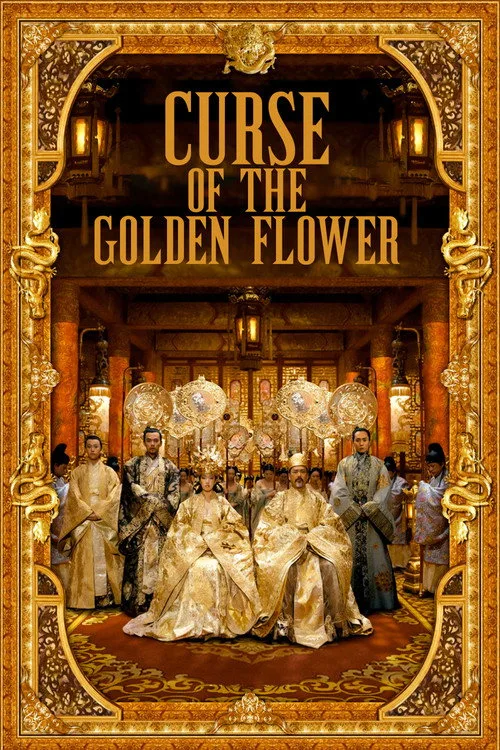
Curse of the Golden Flower
Action, Drama · 1h 54m
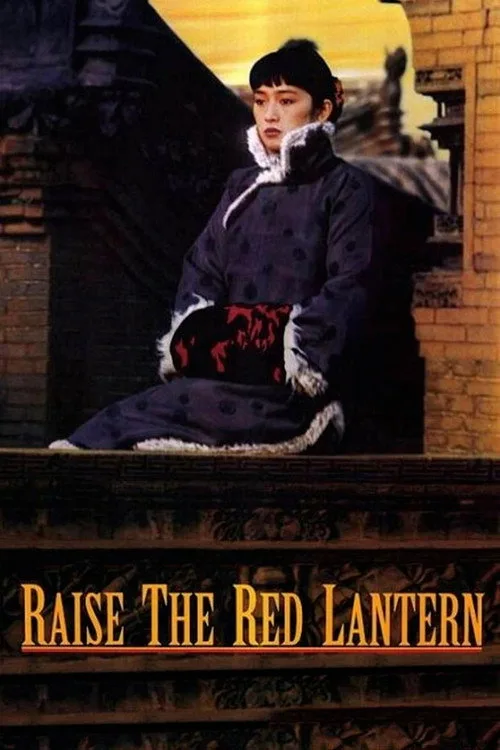 Venice 1991
 Raise the Red Lantern
Drama · 2h 5m
Where can I watch Hero?
Rent: Amazon Video, Google Play, YouTube, Fandango at Home. Buy: Amazon Video, Google Play, YouTube. Regional notes: Wavve, TVING in South Korea; Prime Video, Hulu, U-NEXT in Japan.