Half of a Yellow Sun (2013) Review: Love Under Biafra
Half of a Yellow Sun is Biyi Bandele's adaptation of Chimamanda Ngozi Adichie's Biafran War novel: handsome and well acted, but squeezed by its source's scope.
★★★½☆ 3.5/5
Mostly yes. It is a sincere, well-acted historical romance, best for viewers drawn to its history who can accept a compressed version of a much richer novel.
Is Half of a Yellow Sun worth watching?
Mostly yes. Half of a Yellow Sun is a handsome, earnest drama about love and loss during the Nigerian Civil War, lifted by Chiwetel Ejiofor and Thandie Newton, even if it cannot hold everything that made the novel great. Its value lies in bringing a rarely filmed chapter of African history to the screen with care and a strong cast. The main reservation is compression: squeezing Chimamanda Ngozi Adichie’s sprawling book into under two hours leaves the war feeling like a backdrop to the romance rather than the heart of the story.
What is Half of a Yellow Sun about?
In the early 1960s, shortly after Nigeria’s independence, twin sisters Olanna (Thandie Newton) and Kainene (Anika Noni Rose) return home from their studies in England to their wealthy family in Lagos. Olanna, the idealist, chooses to live with Odenigbo (Chiwetel Ejiofor), a charismatic university lecturer with revolutionary politics. Kainene, sharper and more pragmatic, takes on business responsibilities and becomes involved with Richard, an English writer drawn to Nigeria.
As political tensions rise and the southeast declares itself the independent Republic of Biafra, the sisters and the people they love are swept into a war that strips away their privilege and tests every loyalty they have.
Half of a Yellow Sun was written and directed by the Nigerian playwright and novelist Biyi Bandele, adapting Adichie’s celebrated 2006 novel. It is a Nigerian production in English, with some Igbo, and runs 111 minutes. It screened at the Marrakech International Film Festival in 2013.
Chiwetel Ejiofor gives it its fire
The film is at its best when Ejiofor is at its centre. Odenigbo is a talker, a man of argument and conviction who holds court among intellectuals, and Ejiofor makes his idealism magnetic while hinting at the ego underneath. As the war closes in, the actor lets the character’s certainty erode in small, painful stages.
Newton is warm and graceful as Olanna, though her accent and some of her line readings have divided viewers. Anika Noni Rose, in the smaller role of Kainene, is the film’s quiet surprise: dry, witty and clear-eyed, she suggests a more interesting film about the sisters’ complicated bond than the script has room for. John Boyega, before his breakout, appears as Ugwu, the young houseboy who is so central to the novel.
A war seen from the living room
Bandele is more interested in how history presses into private lives than in battlefield spectacle, and the approach suits the material. Dinner parties, arguments over politics and domestic routines slowly give way to shortages, flight and fear. The film uses archival footage and title cards to mark the war’s progress, which keeps viewers oriented but can feel like a history lesson interrupting the drama.
The production design and costumes capture the optimism and style of the early post-independence years, and the contrast with the later sections gives the film’s final stretch real weight.
Where the adaptation feels squeezed
The novel’s power came partly from its structure and from Ugwu’s perspective, which shows the war from below. The film shrinks that viewpoint considerably, and with it much of the book’s class insight. The result leans more heavily on romantic melodrama, with relationship crises that sometimes feel abrupt because the groundwork has been trimmed. Viewers who know the novel may find the film a tasteful summary rather than a full translation; newcomers may find the historical context thinly sketched.
Who should watch Half of a Yellow Sun?
It suits viewers interested in African history, literary adaptations and wartime romance, and it is a useful introduction to the Biafran War for anyone who knows little about it. Readers of the novel should watch with adjusted expectations. There are scenes of wartime violence and suffering, sexual content and some strong language, so it is best for older teens and adults.
For more Nigerian cinema that takes history and family seriously:
- My Father’s Shadow, which also views a turbulent political moment in Nigeria through the lens of a family.
- Anikulapo, Kunle Afolayan’s period drama, for another ambitious Nigerian romance set in the past.
More films of this kind are collected in our romance section.
The verdict
Half of a Yellow Sun is an honourable, often moving adaptation that brings an important and neglected history to a wide audience, anchored by fine work from Ejiofor and Rose. It cannot match the depth of its source, and its romance sometimes crowds out its war, but it remains a worthwhile, heartfelt film.
Rating: 3.5/5
Availability is a catalogue snapshot and can change. Confirm with the provider in your region.
Where to watch Half of a Yellow Sun
Streaming: Prime Video
Rent: Amazon Video, Apple TV, Google Play, YouTube, Fandango at Home
Buy: Amazon Video, Apple TV, Google Play, YouTube, Fandango at Home
By region: Prime Video in the United States
Full scores and availability on the movie page.
If you liked Half of a Yellow Sun
Ranked by genre overlap and Celluloid Score. More movies like Half of a Yellow Sun →
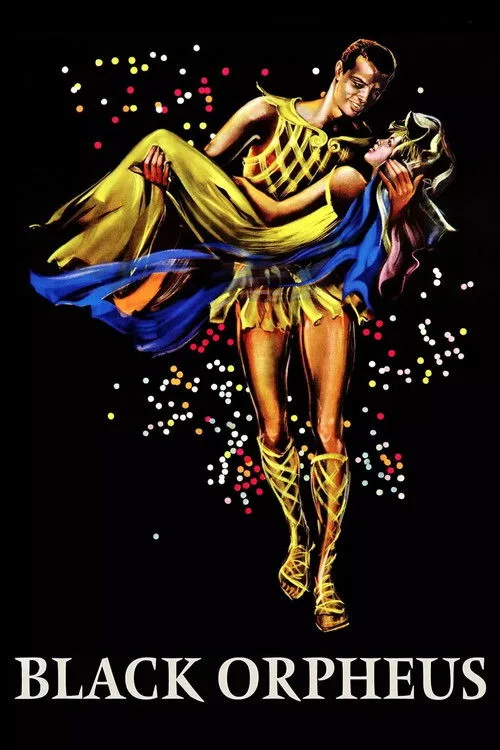 Marrakech 2009
 Black Orpheus
Romance, Drama · 1h 40m
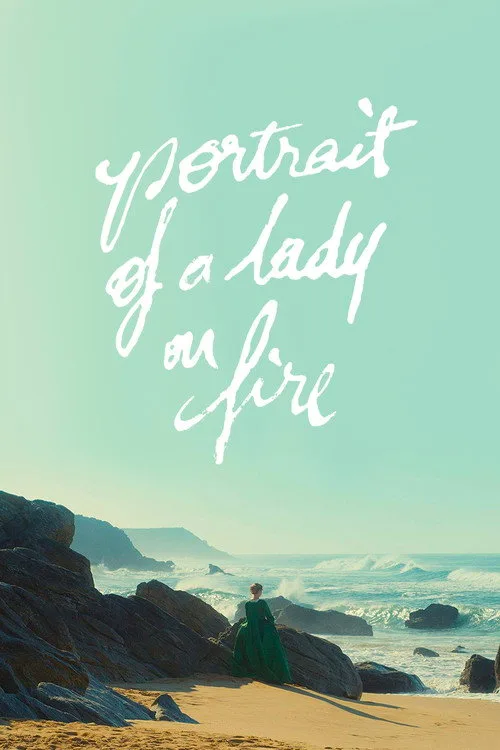 Cannes 2019
 Portrait of a Lady on Fire
Romance, Drama · 2h 2m
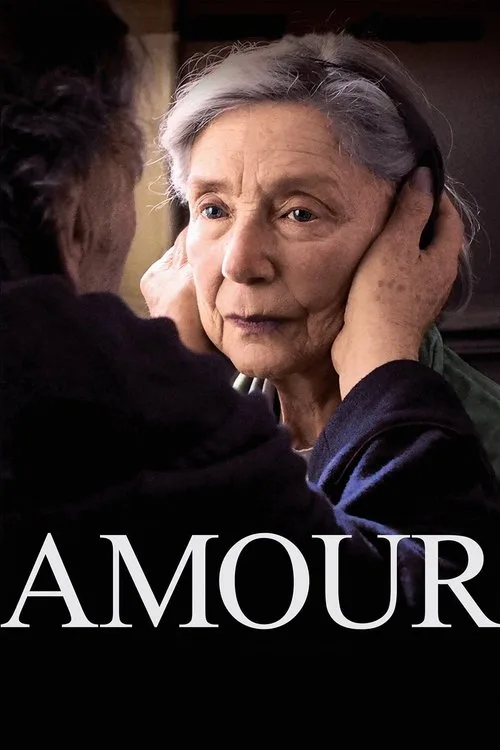 Cannes 2012
 Amour
Drama, Romance · 2h 7m
 Cannes 2000
 In the Mood for Love
Romance, Drama · 1h 38m
Where can I watch Half of a Yellow Sun?
Streaming: Prime Video. Rent: Amazon Video, Apple TV, Google Play, YouTube, Fandango at Home. Buy: Amazon Video, Apple TV, Google Play, YouTube, Fandango at Home. Regional notes: Prime Video in the United States.