My Father's Shadow (2025) Review: One Day in Lagos, 1993
My Father's Shadow is Akinola Davies Jr.'s tender debut about two boys spending a day in Lagos with their elusive father as Nigeria's 1993 election crisis unfolds.
★★★★½ 4.5/5
Yes. It is a quietly overwhelming father-and-son drama and a remarkable debut, ideal for viewers who value intimate, patient filmmaking over plot-driven storytelling.
Is My Father’s Shadow worth watching?
Yes. My Father’s Shadow is one of the finest debuts of recent years, a small, beautifully observed film about a single day that carries the emotional weight of a whole childhood. Akinola Davies Jr. folds a moment of national upheaval into an intimate story of two boys and their father without a single speech or history lesson. The only caveat is its pace: this is a patient, impressionistic film, and viewers who need a strong plot to hold them may find its quietness demanding.
What is My Father’s Shadow about?
My Father’s Shadow takes place over one sweltering day in Lagos in 1993, in the tense period around Nigeria’s presidential election, a vote whose annulment plunged the country into crisis. Folarin (Sope Dirisu), a father who has been largely absent from his sons’ lives, turns up at the family home and takes the two boys with him to the city, where he needs to chase down money he is owed.
The boys, played by Godwin Egbo and Chibuike Marvellous Egbo, barely know him. Over the course of the day they tag along through the city’s streets and offices, with detours to an amusement park and a beach, piecing together an idea of who their father is from small moments, overheard conversations and the city’s rising unease.
Davies directs from a semi-autobiographical script, and the film runs a tight 93 minutes. It is a Nigerian story whose dialogue moves between English, Yoruba and Pidgin. It premiered at Cannes in 2025, a landmark moment for Nigerian cinema, and has been one of the most acclaimed African films on the festival circuit since.
Sope Dirisu’s restraint anchors everything
The film belongs to Sope Dirisu. Folarin is a man who clearly loves his sons but cannot quite reach them, and Dirisu plays him with a guardedness that makes every small gesture count: a hand on a shoulder, a shared joke, a moment where he watches the boys play and his face softens. He never explains Folarin’s absences or his pride, and that restraint makes him feel like a real father seen through a child’s eyes rather than a character built to deliver a message.
The two young leads are wonderfully natural. Their curiosity, boredom and delight feel unscripted, and much of the film’s warmth comes from watching them experience the city, and their father, for the first time.
History seen from the height of a child
The film’s cleverest decision is to keep the political crisis at the edges of the frame. The election and its fallout arrive through radios, arguments in the background, tense conversations the boys only half understand and streets that change mood without warning. Davies trusts the audience to feel how history presses on ordinary lives, and the approach gives the film a sense of authenticity that exposition could not.
Visually, the film is warm and textured, catching the heat, colour and noise of 1990s Lagos with a documentary-like closeness. The camera often stays at the boys’ eye level, so adults and their worries loom above them, just out of reach.
A quietness that asks for patience
The same restraint that makes the film special will test some viewers. The story unfolds in small episodes rather than a driving plot, and the political context, while carefully judged, may leave audiences unfamiliar with Nigerian history wanting a little more grounding. The deliberately loose structure also means a few scenes in the middle feel like pauses rather than developments. These are minor reservations against a film of such emotional precision.
Who should watch My Father’s Shadow?
It is ideal for viewers who love intimate family dramas, coming-of-age stories and films in which personal memory meets political history. At 93 minutes it is a short watch, though an emotionally heavy one. It contains some tense scenes of unrest but little explicit content, and older children could watch it with family, though its themes will resonate most with adults.
For more Nigerian cinema:
- Half of a Yellow Sun, another story of families caught up in a turning point in Nigerian history, told on a larger, more conventional canvas.
- King of Boys, a far more flamboyant, genre-driven look at power and politics in Lagos.
More titles can be found in our drama collection.
The verdict
My Father’s Shadow is a quietly devastating film about fathers, sons and the small moments that shape how children come to know their parents. Sope Dirisu’s performance, the naturalism of its young leads and Akinola Davies Jr.’s confident direction make it an essential watch for anyone who cares about intimate, humane cinema.
Rating: 4.5/5
Availability is a catalogue snapshot and can change. Confirm with the provider in your region.
Where to watch My Father's Shadow
Streaming: MUBI
Rent: Amazon Video, Apple TV, Fandango at Home
Buy: Amazon Video, Apple TV, Fandango at Home
By region: MUBI in the United States; MUBI in the United Kingdom; MUBI in India; MUBI in Turkey
Full scores and availability on the movie page.
If you liked My Father's Shadow
Ranked by genre overlap and Celluloid Score. More movies like My Father's Shadow →
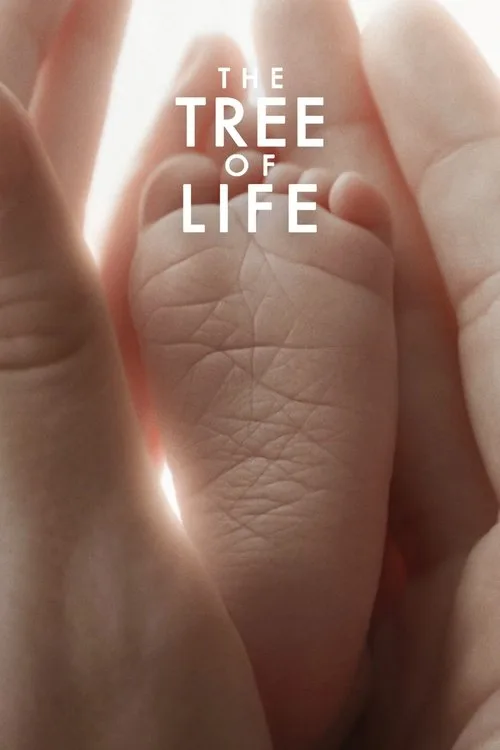 Cannes 2011
 The Tree of Life
Drama, Fantasy · 2h 19m
 TIFF 2022
 The Fabelmans
Drama · 2h 31m
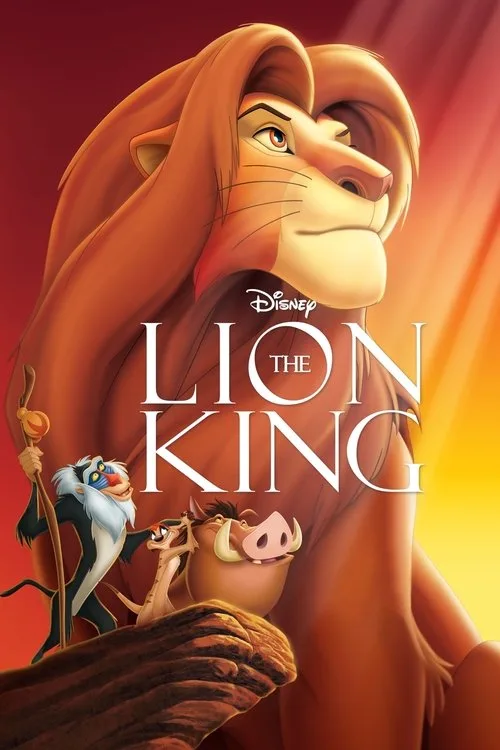
The Lion King
Animation, Family · 1h 29m
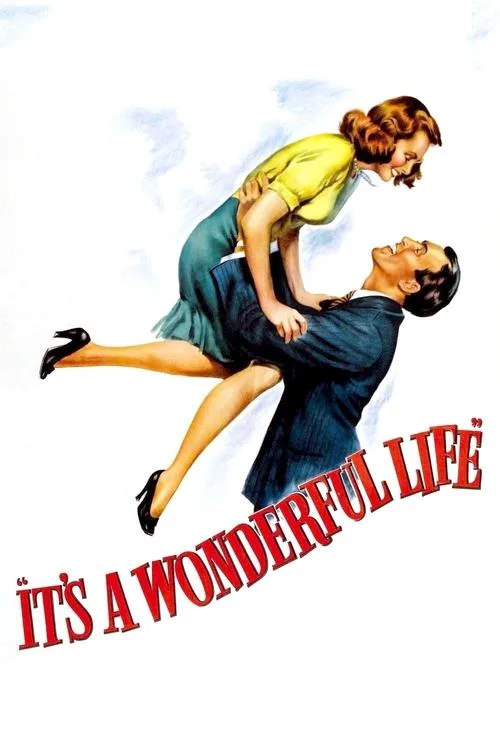 Featured
 It's a Wonderful Life
Drama, Family · 2h 11m
Where can I watch My Father's Shadow?
Streaming: MUBI. Rent: Amazon Video, Apple TV, Fandango at Home. Buy: Amazon Video, Apple TV, Fandango at Home. Regional notes: MUBI in the United States; MUBI in the United Kingdom; MUBI in India; MUBI in Turkey.