Evil Dead Burn Review: Ferocious Gore Craft, Missing Mischief — the Franchise's Meanest Chapter
Sébastien Vaniček's Evil Dead Burn is the franchise's most savage gore machine, and critics are split — a Certified Fresh 72% on Rotten Tomatoes against a 55 Metascore — between its ferocious practical craft and its thin, humorless siege narrative.
★★★☆☆ 3/5
Gorehounds get exactly what they came for in the franchise's meanest entry, but thin characters and the missing Raimi-era mischief keep it a notch below Evil Dead Rise. Fans should go; the curious can wait for streaming.
The franchise that refuses to die
Forty-five years after Sam Raimi shot The Evil Dead in the Tennessee woods, the series has become horror’s most unusually consistent institution: six films in, and by the rough consensus of critics, not one outright dud. Evil Dead Burn, the latest, arrives with Raimi producing, Bruce Campbell executive producing, and the director’s chair handed to Sébastien Vaniček, the French filmmaker Raimi enlisted on the strength of his 2023 arachnid nightmare Infested. Two weeks into release, the reception remains bifurcated: a Certified Fresh 72% on Rotten Tomatoes with a 77% Popcornmeter and a B CinemaScore, set against a cooler 55 Metascore. Audiences are getting what they came for. Critics are still arguing about whether what they came for is enough.
A family reunion from hell
The setup is lean to the point of austerity. After a lakeside prologue dispatches two fishermen with maximum brutality, Alice (Souheila Yacoub) loses her hotheaded husband Will to a Deadite collision on a dark road and lands, grieving, in the secluded home of his family — mother Susan (Tandi Wright), father Edgar (Erroll Shand), brother Joe (Hunter Doohan) and his girlfriend Thya (Luciane Buchanan), plus a venomous grandmother. The Necronomicon is read aloud, as it must be, and the in-laws begin turning one by one. Vaniček and cinematographer Philip Lozano shoot the ensuing siege with real ferocity: swooping tracking shots, a virtuoso oner through the chaos, and the series’ trademark low-to-the-ground woodland zoom, all of it filmed in New Zealand. The gore leans practical — makeup designer Jane O’Kane’s gnarly work is the film’s most praised element — and Yacoub, a Swiss actress new to the franchise, is compelling as a woman proving her resilience without downplaying the torture she endures.
Meaner, but not merrier
Here is the dividing line in the reviews, and it is a real one. Burn is the darkest, most sadistic entry the series has produced — “an orgy of unmodulated mayhem,” per the Hollywood Reporter’s David Rooney — and it has almost entirely abandoned the antic, goofy mischief that defined Raimi’s originals. Empire splits the difference precisely: “the darkest Evil Dead yet is sure to be an acquired taste — but there is incredible craft here, along with plenty of guts (of all kinds).” The Austin Chronicle noted a putrefaction you can almost smell coming off the screen, and credited Vaniček with knowing how to evoke it. What the film lacks, even sympathetic reviewers concede, is a firmly established central monster in the mold of Alyssa Sutherland’s mother in Evil Dead Rise — the Deadites here are a pack rather than a personality — and any trace of the mocking cruelty that made the originals funny as well as frightening.
The thinness underneath
The sterner notices go further, and they are not wrong. RogerEbert.com found a few undeniably clever set pieces surrounded by deeply incompetent filmmaking — severe, but it names a genuine problem: between the set pieces, the script by Vaniček and Florent Bernard offers almost nothing unfamiliar, and the characters are types waiting for a power tool. Minor trims reportedly brought the film down from an NC-17 to an R, which accounts for the sense, in a few sequences, of a movie holding a knife half an inch from the wound. The box office suggests the audience for all this is real but bounded: a $13.7 million domestic opening from 3,004 theaters, roughly half of Rise’s $24.5 million in 2023 — enough, against a lean $20 million budget, to keep the franchise’s ledger comfortably in the black.
Verdict
Evil Dead Burn is the franchise at its most expertly mounted and least personable: a vicious, technically impressive gore delivery system that mistakes unrelenting for unstoppable. Vaniček’s craft is never in doubt — the camera work alone justifies the ticket for horror devotees — and Yacoub earns her final-girl stripes. But the absence of humor, of a defining monster, and of much narrative invention makes this the first entry that feels like product, however premium. For the faithful, it is a worthy burn. For everyone else, the series’ better angels — and better jokes — live in the earlier films.
Availability is a catalogue snapshot and can change. Confirm with the provider in your region.
Where to watch Evil Dead Burn
Not confirmed on major subscription platforms in our US baseline — check regional listings.
Rent: Amazon Video, Apple TV, Google Play, YouTube, Fandango at Home
Buy: Amazon Video, Apple TV, Google Play, YouTube, Fandango at Home
By region: Catchplay in Indonesia
Full scores and availability on the movie page.
If you liked Evil Dead Burn
Ranked by genre overlap and Celluloid Score. More movies like Evil Dead Burn →
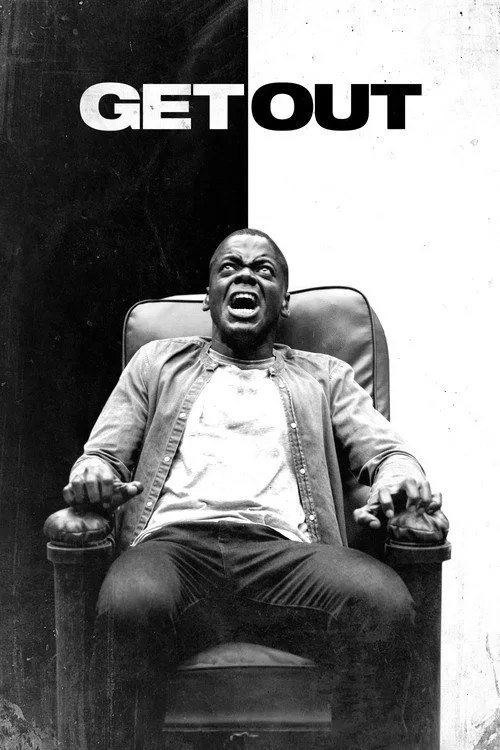 Sundance 2017
 Get Out
Mystery, Thriller · 1h 44m
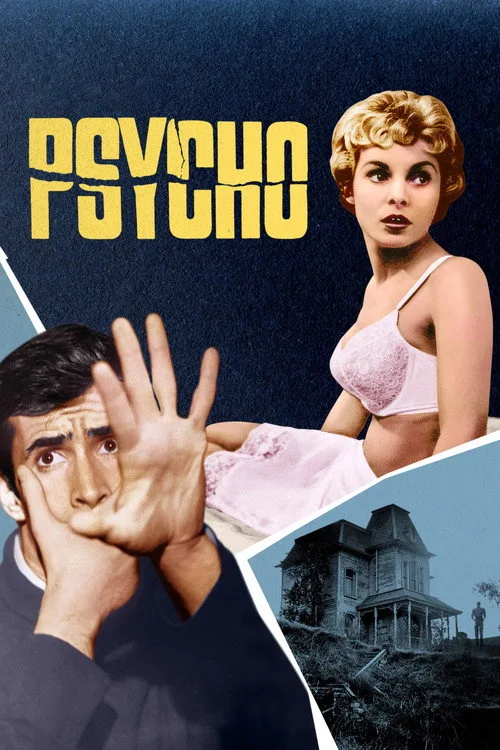
Psycho
Horror, Thriller · 1h 49m
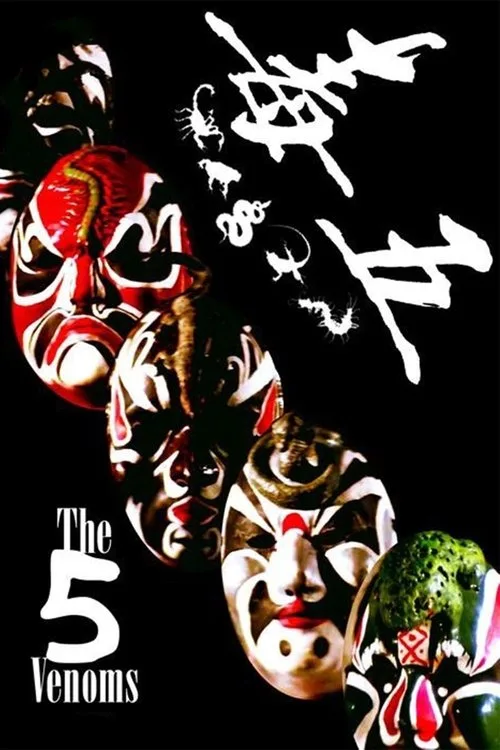
The Five Venoms
Action, Drama · 1h 41m
 Golden Horse 2023
 Marry My Dead Body
Comedy, Mystery · 1h 49m
Rent: Amazon Video, Apple TV, Google Play, YouTube, Fandango at Home. Buy: Amazon Video, Apple TV, Google Play, YouTube, Fandango at Home. Regional notes: Catchplay in Indonesia.