Detective Conan: Fallen Angel of the Highway Review: The Franchise Machine Purrs at Full Throttle
The 29th Detective Conan film swaps bombast for an honest-to-goodness mystery, wraps it in superbly animated motorcycle mayhem, and rode both to a record-breaking tenth-billion-yen run in Japan — proof this 29-film engine still has gears left.
★★★½☆ 3.5/5
One of the stronger modern Conan films — a treat for franchise faithful and a surprisingly workable entry point for the mystery-inclined. Casual viewers should expect formula, executed well.
There is no phenomenon in world cinema quite like the annual Detective Conan film. Nearly three decades in, the series operates less like a franchise than a national ritual — and Fallen Angel of the Highway, the 29th entry, just became the fourth Conan film in a row to clear ten billion yen in Japan, a four-year streak no Japanese film series had ever managed. Numbers like that usually signal creative autopilot. What makes this entry worth writing about is that it is the opposite: director Takahiro Hasui’s film is the most disciplined Conan picture in years, a return to actual detection after a stretch of entries that leaned ever harder on espionage spectacle.
A mystery that remembers to be one
The setup is classic Conan architecture. A phantom “black bike” is terrorizing the highways around Yokohama; a string of roadway incidents that read as accidents begin, under Conan’s scrutiny, to resolve into design; and the search for the orchestrating hand escalates toward a race-against-the-clock finale. Screenwriter Takahiro Okura builds this as a genuine clue-based outing — plant, misdirection, payoff — and after several films in which the mystery felt like connective tissue between explosions, the restoration of the puzzle to the center of the film is quietly radical. I found myself doing something I have not done in a Conan film in a while: actually theorizing.
The emotional spine belongs to Chihaya Hagiwara, the motorcycle-mounted traffic officer whose backstory ties into some of the franchise’s most beloved buried lore. Centering her is a canny choice — she gives the film a protagonist with skin in the game beyond Conan’s professional curiosity, and longtime fans will find the connections to the wider Police Academy strand of the mythology handled with unusual care. Newcomers will miss some of that resonance, but the film keeps its lore load-bearing rather than gatekeeping.
Craft on two wheels
Visually, this is the series operating at its modern peak. The motorcycle sequences — and there are many — are choreographed with a clarity that puts most live-action vehicular cinema to shame, and the CG machines are integrated into the hand-drawn world with a smoothness the franchise has not always managed. The film understands that a chase is only as good as its geography; you always know where the black bike is, where Angel, its white counterpart, is, and what the asphalt between them costs. It is kinetic filmmaking with legible physics, which is rarer than it should be.
The ceiling of formula
My reservations are the perennial ones. The Conan formula imposes a shape — comic interludes, the mid-film exposition dump, a climax that must escalate to civic-scale peril whether the story needs it or not — and Fallen Angel of the Highway honors every clause of the contract. The finale, in particular, trades some of the film’s earlier procedural elegance for franchise-mandated enormity. And as ever, the film assumes a baseline fluency in a sprawling cast that no single movie can teach. These are the terms of the ritual, not failures of this specific film, but they set a hard ceiling on what any entry can achieve as standalone cinema.
Within those terms, though, this is the series firing beautifully: a real mystery, a well-chosen emotional anchor, and some of the best action animation of the year. The record-breaking box office was not just habit rewarding itself.
The verdict
Fallen Angel of the Highway is one of the best Conan films of its era — formula, yes, but formula polished to a shine, with a proper mystery at its heart and spectacular two-wheeled craft around it.
If you liked Detective Conan: Fallen Angel of the Highway
Ranked by genre overlap and Celluloid Score. More movies like Detective Conan: Fallen Angel of the Highway →
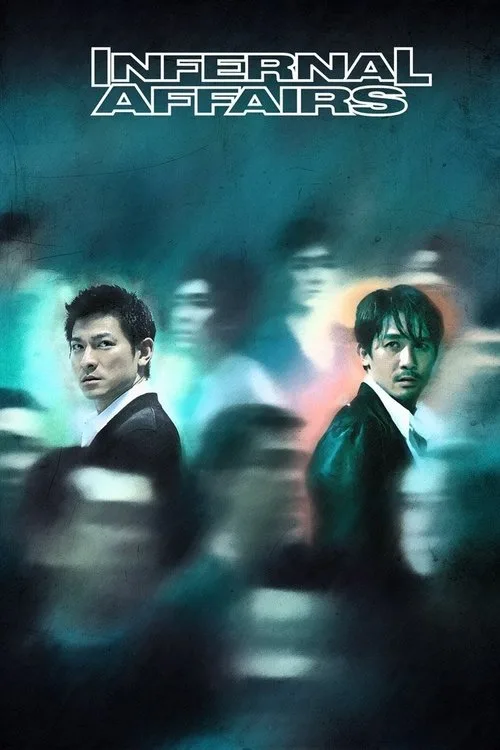 Golden Horse 2003
 Infernal Affairs
Drama, Action · 1h 41m
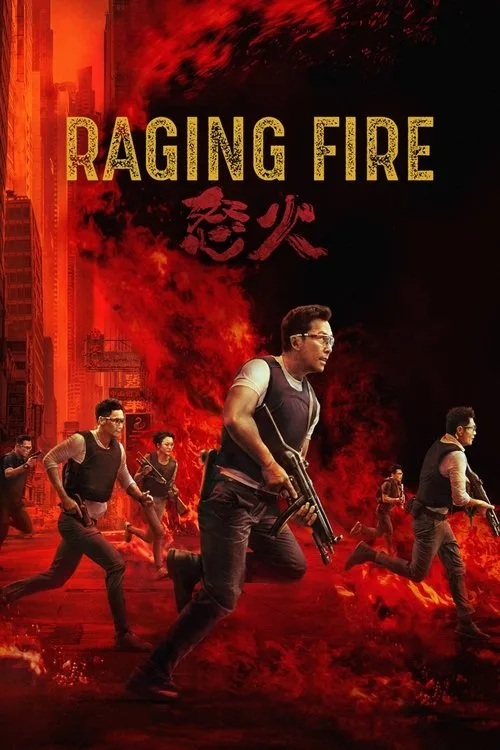
Raging Fire
Action, Crime · 2h 5m
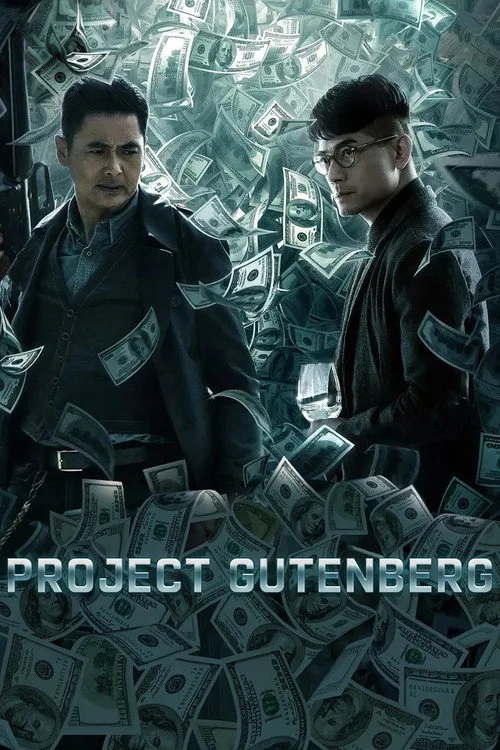 HKIFF 2018
 Project Gutenberg
Action, Crime · 2h 10m
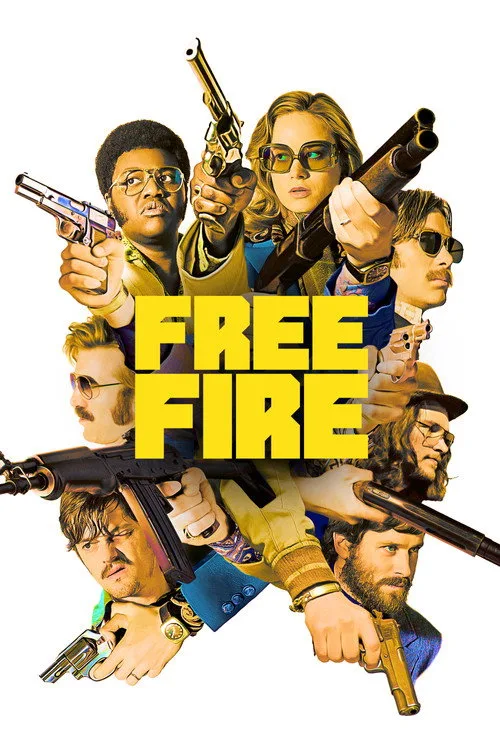
Free Fire
Action, Crime · 1h 31m