Demon Slayer: Mugen Train (2020) Review: Japan's Record-Breaking Anime Epic
Haruo Sotozaki's feature adaptation became Japan's highest-grossing film — 98% critics, 97% audiences, and animation that turns grief into swordplay you feel in your chest.
★★★★★ 5/5
Masterpiece-tier Japan animation on Best of Asia 2016–2026 — the shonen event film all others measured against.
Is Demon Slayer: Mugen Train worth watching?
Yes — even if you have never watched the anime series, the film stands as one of the most accomplished animated action features of the decade. Demon Slayer: Mugen Train holds a 98/100 Celluloid Editorial Rating, 97% Audience Snapshot, Metascore 72, Letterboxd 3.9, and IMDb 8.2 — numbers that powered Japan’s highest-grossing film run before Ne Zha 2 rewrote the global chart. Haruo Sotozaki distills the Mugen Train arc into 117 minutes of breathless swordplay, dream-trap horror, and a Flame Hashira whose optimism becomes the film’s tragic engine.
What is Demon Slayer: Mugen Train about?
Tanjiro Kamado, his demon sister Nezuko, and companions Zenitsu and Inosuke join Flame Hashira Kyojuro Rengoku aboard a train where passengers vanish into shared dreams — a trap laid by Upper Rank demon Enmu that forces each fighter to confront grief before steel can save them. Natsuki Hanae, Akari Kitō, and Hiro Shimono voice the core cast; Akira Ishida’s Rengoku supplies the film’s moral center. The plot is straightforward; the execution is anything but. Every dream sequence reveals character, and Rengoku’s final stand transforms a franchise episode into cinema that justifies theatrical obsession.
Should you watch the series first?
Helpful but not mandatory — Sotozaki front-loads enough context that newcomers understand stakes within ten minutes. Series fans will weep at Rengoku’s arc; newcomers will understand why Japan turned out in record numbers. If you want another Japan animated landmark from the same decade, pair with Hayao Miyazaki’s legacy titles or Takashi Yamazaki’s Godzilla Minus One for live-action grief at a different register. On Best of Asia 2016–2026, Mugen Train is the shonen pillar; Ne Zha is the mythic counterpart from China.
How does Sotozaki stage the action?
With ufotable’s signature blend of 2D character acting and 3D environment sweep — every sword stroke reads in space, every breathing technique has visual grammar. The train setting imposes claustrophobia that the series’ open fields rarely achieve; Enmu’s dream traps turn interior psychology into horror set-pieces before the final confrontation explodes into open combat. Rengoku’s fight choreography is not merely flashy — it expresses his philosophy that flame illuminates rather than destroys. Sound design makes breathing patterns tactile; you hear conviction before you see impact. Kaiser Khan’s genre read: this is horror-adjacent action where the monster feeds on regret, and the heroes win by refusing to surrender their memories.
Where does Mugen Train rank among Asian event films?
At the top of Japan’s commercial century until Ne Zha 2 — and still the gold standard for anime-to-cinema adaptation craft. Compare with Jiaozi’s Ne Zha at /compare/demon-slayer-mugen-train-2020/vs/ne-zha-2019/ — myth versus shonen, China versus Japan, both record-breakers with incompatible emotional temperatures. Bong Joon Ho’s Parasite won the Oscars the same era; Mugen Train won the box office — together they map how East Asian cinema conquered different global metrics simultaneously.
Where can I watch Demon Slayer: Mugen Train?
Crunchyroll and Netflix carry the film in most territories; the theatrical cut remains the intended experience if revival screenings appear. IMDb tt11032374. If you finish hungry for more Japan animation on the Best of Asia 2016–2026 list, Jiaozi’s Ne Zha 2 is the only title that has since surpassed its box-office footprint globally.
Verdict
Certified masterpiece for animation and action audiences — Kaiser Khan’s pick for anyone who thinks anime features are inherently small-screen. Watch it loud, watch it with subtitles, then browse Japan on Celluloid for the full national catalog. Rengoku’s smile in the final act is worth the price of admission alone.
Availability is a catalogue snapshot and can change. Confirm with the provider in your region.
Where to watch Demon Slayer: Mugen Train
Streaming: Crunchyroll
Rent: Amazon Video, Apple TV, Google Play, YouTube, Fandango at Home
Buy: Amazon Video, Apple TV, Google Play, YouTube, Fandango at Home
By region: Crunchyroll in the United States; Crunchyroll in the United Kingdom; Netflix, Catchplay, Crunchyroll in Indonesia; SonyLIV, Crunchyroll in India
Full scores and availability on the movie page.
If you liked Demon Slayer: Mugen Train
Ranked by genre overlap and Celluloid Score. More movies like Demon Slayer: Mugen Train →
 FeaturedShanghai 2025
 Ne Zha 2
Animation, Fantasy · 2h 24m
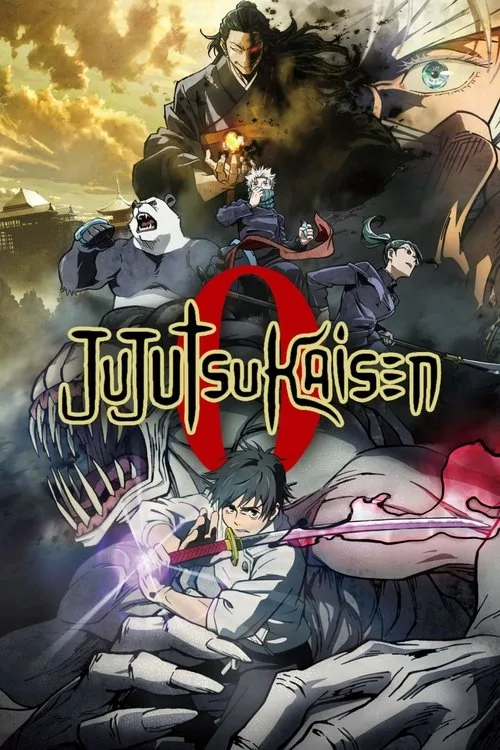 Tokyo 2021
 Jujutsu Kaisen 0
Animation, Action · 1h 45m

The Lord of the Rings: The War of the Rohirrim
Animation, Fantasy · 2h 14m
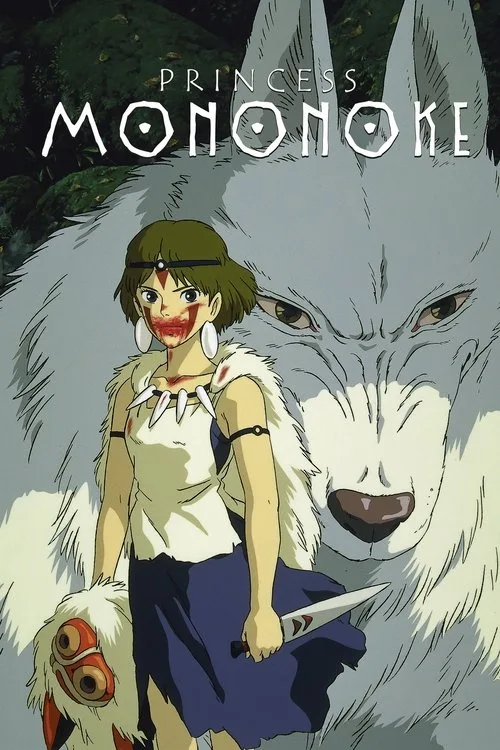 Annecy 1998
 Princess Mononoke
Animation, Fantasy · 2h 14m
Streaming: Crunchyroll. Rent: Amazon Video, Apple TV, Google Play, YouTube, Fandango at Home. Buy: Amazon Video, Apple TV, Google Play, YouTube, Fandango at Home. Regional notes: Crunchyroll in the United States; Crunchyroll in the United Kingdom; Netflix, Catchplay, Crunchyroll in Indonesia; SonyLIV, Crunchyroll in India.