Princess Mononoke (1997) Review: A War With No Villains
Princess Mononoke is Hayao Miyazaki's animated fantasy epic about a cursed prince caught between a forest's gods and an ironworks town, and it refuses easy villains.
★★★★½ 4.5/5
Yes. It is one of the great animated epics, essential for older children, teenagers and adults, though its violence makes it a poor pick for very young viewers.
Is Princess Mononoke worth watching?
Yes. Princess Mononoke is Hayao Miyazaki’s most ambitious film and one of the landmarks of animation, a fantasy epic with the moral complexity of great historical drama. Its story of humans and forest gods at war refuses to name a simple villain, and its images of ancient woodland and furious animal spirits remain breathtaking. The reservations are its length and density, and a level of violence that surprises viewers expecting the gentleness of Studio Ghibli’s family films.
What is Princess Mononoke about?
In medieval Japan, a young prince named Ashitaka (voiced by Yōji Matsuda) defends his remote village from a rampaging boar god and receives a curse in the fight, a spreading mark that will eventually kill him. Hoping to find a cure, and to understand what drove the god to madness, he travels west.
His journey leads him to the edge of a great forest, where a fortified ironworks town run by the formidable Lady Eboshi (Yūko Tanaka) is cutting down trees and fighting the gods who live there. Among the forest’s defenders is San (Yuriko Ishida), a young woman raised by a giant wolf goddess, who hates humanity with a ferocious passion. Ashitaka finds himself caught between them.
Princess Mononoke is written and directed by Miyazaki for Studio Ghibli. It is a Japanese-language film that runs 134 minutes, and it won Picture of the Year at the Japan Academy Film Prize.
A war where everyone has a point
What makes Princess Mononoke extraordinary is its fairness. Eboshi is destroying the forest, but she also shelters people society has rejected, giving work and dignity to women freed from brothels and to people with leprosy. San and the forest gods are defending their home, but their rage is blind and self-destructive. Ashitaka, the film’s conscience, is not trying to pick a side but to see clearly, and the film asks the audience to do the same.
It is an ecological fable without a lecture. Miyazaki shows the cost of progress without pretending it could simply be undone, and the film’s argument about living with, rather than conquering, the natural world has only grown more urgent.
Animation on an epic scale
The craft is staggering. The forest is painted with an almost overwhelming depth of detail, from moss and water to the tiny, rattling tree spirits that watch from the branches. The animal gods are genuinely awe-inspiring: huge, ancient and terrifying, drawn with a weight and physicality that make their presence felt. Action sequences, especially Ashitaka’s ride through the countryside with his red elk, have a speed and clarity that still outclass most live-action filmmaking.
Joe Hisaishi’s score is one of his finest, moving between sweeping orchestral themes and haunting, delicate melodies that give the film its grandeur and its sadness. The Japanese voice cast is strong throughout, with Ishida capturing San’s wildness and Tanaka giving Eboshi a cool, magnetic authority.
Dense, long and not for small children
The film’s ambitions come with costs. The mythology is dense, and viewers unfamiliar with Japanese folklore may struggle at first with its gods, spirits and factions. The middle section is long and sprawling, and some secondary characters, including a scheming monk and the samurai forces pressing at the town, are less developed than the main trio. Most importantly for parents, the violence is real: arrows sever limbs, and the battles are bloody.
Who should watch Princess Mononoke?
It is essential for anyone interested in animation or epic fantasy, and it is one of the best films to show a sceptic that animated cinema can be as serious and powerful as any live-action drama. It is best for children around 11 and older and for adults; the violence, gore and frightening imagery can be too much for younger viewers. Allow over two hours, and ideally a large screen.
Where to go next:
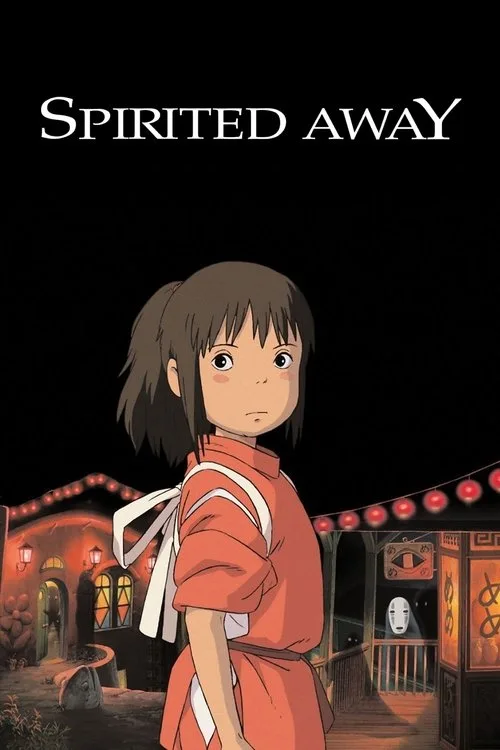
- Spirited Away, Miyazaki’s most celebrated film, a gentler but equally rich fantasy about a girl lost in a world of spirits.
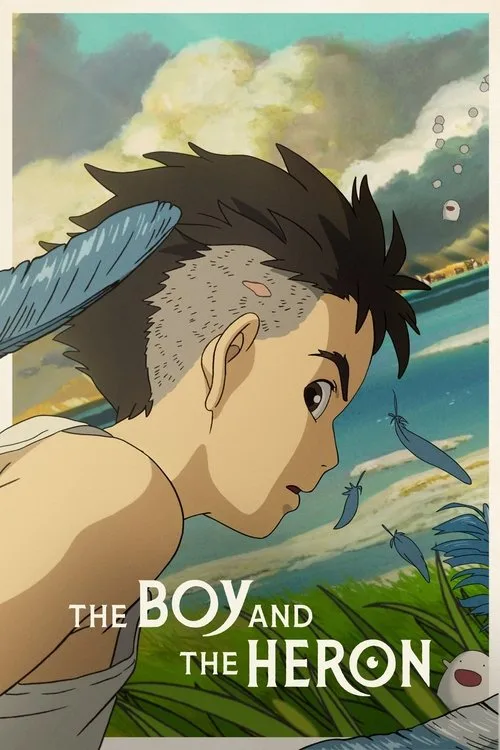
- The Boy and the Heron, his late, more personal fantasy, which shares Mononoke’s darker, more complex tone.
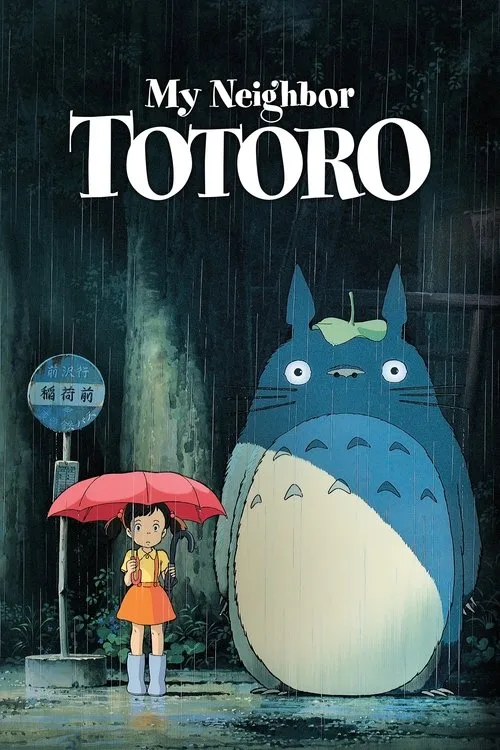
- My Neighbor Totoro, the gentle, family-friendly opposite of Mononoke, and a perfect choice for younger viewers.
The verdict
Princess Mononoke is a towering achievement in animation, an epic that is as intelligent about human nature as it is dazzling to look at. It is long, dense and violent, but it rewards the effort with a depth of feeling and moral complexity that few films of any kind can match.
Rating: 4.5/5
Availability is a catalogue snapshot and can change. Confirm with the provider in your region.
Where to watch Princess Mononoke
Streaming: HBO Max
Rent: Amazon Video, Apple TV, Google Play, YouTube, Fandango at Home
Buy: Amazon Video, Apple TV, Google Play, YouTube, Fandango at Home
By region: HBO Max in the United States; Netflix in the United Kingdom; Netflix in Indonesia; Netflix in India
Full scores and availability on the movie page.
If you liked Princess Mononoke
Ranked by genre overlap and Celluloid Score. More movies like Princess Mononoke →
 FeaturedAnnecy 1989
 My Neighbor Totoro
Fantasy, Animation · 1h 26m
 Berlinale 2002
 Spirited Away
Animation, Fantasy · 2h 5m
 FeaturedVenice 2004
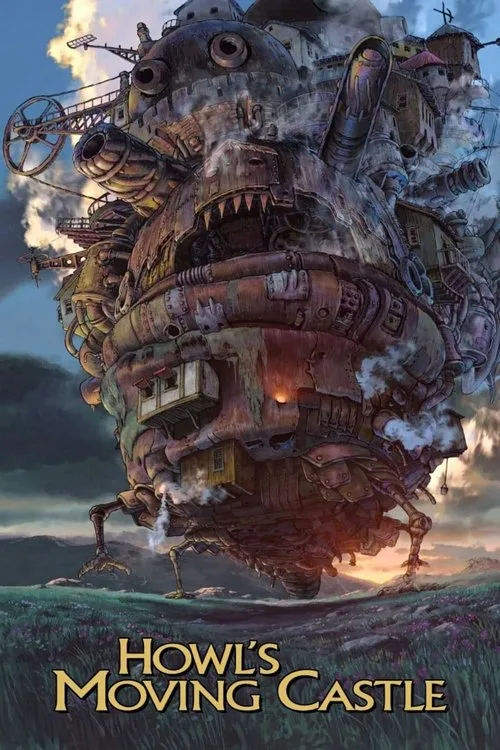
 Howl's Moving Castle
Fantasy, Animation · 1h 59m
 TIFF 2023
 The Boy and the Heron
Animation, Fantasy · 2h 4m
Where can I watch Princess Mononoke?
Streaming: HBO Max. Rent: Amazon Video, Apple TV, Google Play, YouTube, Fandango at Home. Buy: Amazon Video, Apple TV, Google Play, YouTube, Fandango at Home. Regional notes: HBO Max in the United States; Netflix in the United Kingdom; Netflix in Indonesia; Netflix in India.