Winter Sleep (2014) Review: Self-Deception, Snowed In
Winter Sleep, Nuri Bilge Ceylan's Palme d'Or winner, shuts a proud hotel owner in snowbound Anatolia with the people who see through him. Long, talky, rewarding.
★★★★☆ 4/5
Yes, if you have the patience. It is a demanding 196-minute drama built on conversation, and a richly rewarding one for viewers who enjoy slow, literary art cinema.
Is Winter Sleep worth watching?
Yes, for viewers willing to meet it on its own terms. Winter Sleep is a searching, beautifully acted portrait of a man whose comfort depends on not looking at himself too closely, and its long conversations cut deeper than most thrillers. Nuri Bilge Ceylan’s Palme d’Or winner turns talk into drama with rare precision. The reservation is obvious and real: at 196 minutes, with several scenes that run far longer than conventional films allow, it asks for a level of attention many viewers will not want to give.
What is Winter Sleep about?
Winter Sleep is set in the rocky landscape of Cappadocia in central Anatolia, where Aydın (Haluk Bilginer), a retired stage actor, runs a small hotel and manages property he inherited. He writes opinion columns for a local paper, plans a book on the history of Turkish theatre, and considers himself a cultured, fair-minded man. As winter closes in and the tourists leave, he is left with his much younger wife, Nihal (Melisa Sözen), his recently divorced sister, Necla (Demet Akbağ), and the tenants and staff whose lives depend on him.
A small, sharp incident involving a tenant’s family early in the film sets the tensions moving, and the story unfolds from there almost entirely through conversations. Ceylan wrote the screenplay with Ebru Ceylan, drawing loosely on Chekhov’s short stories. It is a Turkish production in Turkish, and it won the Palme d’Or at Cannes in 2014.
Conversations as combat
The heart of the film is a handful of extended dialogue scenes, and they are among the finest of their kind in modern cinema. Aydın and Necla sit in his study and argue about whether one should resist evil, and the discussion starts as philosophy and ends as a merciless audit of their characters. Later exchanges between Aydın and Nihal move from courtesy to something close to warfare without either raising their voice for long.
What makes these scenes gripping is that everybody is partly right. Aydın is articulate and sometimes reasonable; the women who challenge him are sharp but also wounded and unfair. Ceylan gives each argument room to turn several times, so the audience’s sympathies keep shifting. The film trusts viewers to notice what goes unsaid, and it pays them back with scenes of real psychological depth.
Bilginer’s charming, maddening landlord
Haluk Bilginer is superb as Aydın. He plays the man’s vanity with such ease that it takes a while to see how much damage it does. Aydın’s generosity is always slightly performed, his judgements always slightly self-flattering, and Bilginer never tips into caricature. Melisa Sözen gives Nihal a brittle, restless intelligence, and Demet Akbağ’s Necla is a gift: bitter, funny and devastatingly perceptive. Among the tenants, Serhat Kılıç and Nejat İşler bring a class tension to the film that Aydın’s cultivated world would rather ignore.
A winter landscape, and a very long stay
Ceylan, a former photographer, frames Cappadocia with a painter’s eye. The hotel is carved into the rock, the interiors glow with lamp light against the dark, and the first snow arrives as a quiet turning point in the mood. The landscape is not decoration; it enforces the isolation that forces these characters to face one another. Outside the talk, the film has stretches of pure observation, including a sequence with a wild horse, that give the long running time a sense of breath.
Still, the same patience that gives the dialogue its power also makes Winter Sleep hard going in places. Some scenes are so extended that their point is clear well before they end, and the final hour moves at a pace that will lose viewers who are not already committed. The film is also relentlessly verbal; those who prefer Ceylan’s more visual work may find it closer to a filmed play than to cinema. It is a masterful film, but not an easy one.
Who should watch Winter Sleep?
It suits admirers of slow, literary art cinema, readers who love Chekhov or Bergman-style domestic drama, and anyone curious about Turkish film beyond the mainstream. Plan for a full evening of more than three hours, ideally without distractions. There is almost no violence and the content is suitable for teenagers upward, though the themes of marriage, pride and class are aimed at adults.
To explore Ceylan further:
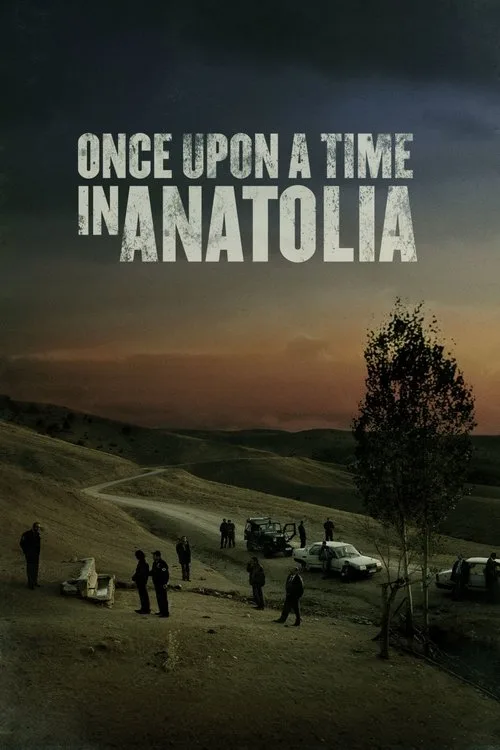
- Once Upon a Time in Anatolia, his previous film, a night-long procedural with the same moral depth.
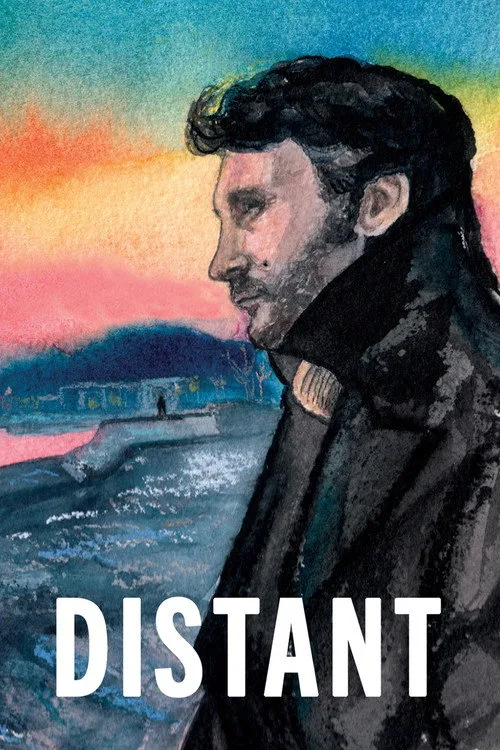
- Distant, an earlier, more austere study of loneliness and pride.
- Climates, a marriage drama that anticipates this film’s bruising honesty.
The verdict
Winter Sleep is a demanding but deeply rewarding drama, with Ceylan using the stillness of an Anatolian winter to expose a man’s self-regard piece by piece. Its length and verbal density will not suit everyone, but the writing, the performances and the wintry images make it one of the major art films of its decade.
Rating: 4/5
Availability is a catalogue snapshot and can change. Confirm with the provider in your region.
Where to watch Winter Sleep
Not confirmed on major subscription platforms in our US baseline — check regional listings.
Rent: Apple TV, Fandango at Home
Buy: Apple TV, Fandango at Home
By region: TV+, HBO Max in Turkey
Full scores and availability on the movie page.
If you liked Winter Sleep
Ranked by genre overlap and Celluloid Score. More movies like Winter Sleep →
 FeaturedAntalya 2002
 Distant
Drama · 1h 46m
Sunset Boulevard
Drama · 1h 50m
 Featured
 Once Upon a Time in Anatolia
Drama, Crime · 2h 43m
 Antalya 2008
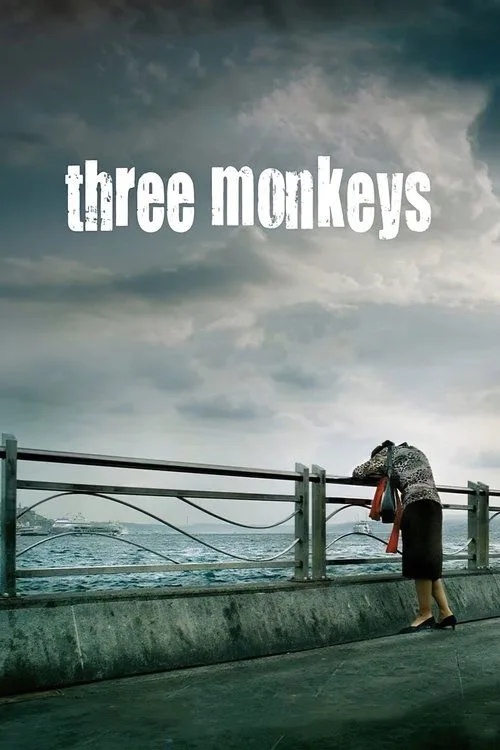
 Three Monkeys
Drama, Thriller · 1h 49m
Where can I watch Winter Sleep?
Rent: Apple TV, Fandango at Home. Buy: Apple TV, Fandango at Home. Regional notes: TV+, HBO Max in Turkey.