The Wandering Earth 2 (2023) Review: China's Sci-Fi Opera Expands
Frant Gwo's prequel-sequel doubles the planetary scale — 80% critics, 85% audiences, and a 173-minute epic that asks whether humanity deserves to survive itself.
★★★★☆ 4/5
Strongly recommended China sci-fi — essential companion to part one on Best of Asia 2016–2026.
Is The Wandering Earth 2 worth watching?
Yes — especially if you watched the 2019 original and wondered whether Frant Gwo could expand the universe without collapsing under its own weight. The Wandering Earth 2 delivers an 80/100 Celluloid Editorial Rating, 85% Audience Snapshot, Metascore 65, Letterboxd 3.4, and IMDb 6.8 — improvements across the board over the first film’s Western-facing numbers while domestic audiences embraced it as a Lunar New Year event. Andy Lau, Wu Jing, and Li Xuejian anchor a 173-minute saga about building planetary engines years before Earth begins its voyage through space.
What is The Wandering Earth 2 about?
As the sun’s helium flash threatens annihilation, engineers and astronauts race to construct Earth’s propulsion engines and a lunar project while a debate over digital immortality pits those who believe in flesh-and-blood sacrifice against those who would upload humanity and abandon the body. The film functions as prequel and sequel simultaneously — filling in the origin of the wandering Earth project while escalating stakes beyond the first film’s frozen-surface rescue. Zhu Yanmanzi and the ensemble carry subplots about youth, duty, and whether a civilization that cannot agree on what “human” means deserves to survive at all.
Should you watch The Wandering Earth (2019) first?
Yes — the 2023 film enriches the first but assumes you understand the engines, the United Earth Government, and Liu Qi’s family lineage. Start with The Wandering Earth, then return here for the origin story that makes the first film’s sacrifices hurt more. Frant Gwo adapts Liu Cixin’s universe with earnest collectivist philosophy — individual heroism matters, but only inside a framework where billions must move together. That ethos distinguishes China sci-fi from Hollywood’s lone-savior tradition; compare with Jiaozi’s Ne Zha 2 for another blockbuster asking whether destiny can be rewritten through collective will.
How does Frant Gwo’s craft evolve?
The set pieces grow more coherent — lunar crashes, elevator catastrophes, and orbital battles staged with spatial clarity that the first film sometimes traded for chaos. Andy Lau’s scientist arc supplies moral ambiguity the original lacked; Wu Jing returns with gravitas earned across both films. Visual effects rival mid-tier Hollywood tentpoles while the production design keeps technology tactile — buttons, frost, and welding sparks ground the futurism. At 173 minutes the film is long, but the digital-life debate in the third act gives the runtime thematic justification: this is an argument about humanity’s soul disguised as a disaster movie.
Where does it sit in the Asian decade?
The sci-fi anchor of China’s 2016–2026 commercial wave — paired on Best of Asia 2016–2026 with Chen Kaige’s The Battle at Lake Changjin as national event cinema from opposite genre poles. Compare with Bong Joon Ho’s Parasite for South Korea class critique in the same era — intimate versus planetary, both asking who gets sacrificed when systems fail. IMDb tt16104520; Netflix carries the film in many regions.
Where can I watch The Wandering Earth 2?
Netflix streams the film in many regions alongside the 2019 original — watch them back-to-back for maximum impact. IMDb tt16104520. Lunar New Year release timing in China explains the domestic audience surge that Western Metacritic coverage only partially captured.
Verdict
The Wandering Earth 2 earns its scale — Kaiser Khan’s recommendation for sci-fi readers who want East Asian blockbuster craft with ideas attached. Watch both parts, then compare scores at /compare/the-wandering-earth-2019/vs/the-wandering-earth-2-2023/. Frant Gwo proved the first film was not a fluke; this is the opera he was building toward.
Availability is a catalogue snapshot and can change. Confirm with the provider in your region.
Where to watch The Wandering Earth 2
Not confirmed on major subscription platforms in our US baseline — check regional listings.
Rent: Amazon Video, Apple TV, Google Play, YouTube, Fandango at Home, Viki
Buy: Amazon Video, Apple TV, Google Play, YouTube, Fandango at Home
By region: Prime Video in India; Netflix in South Korea; Hulu in Japan
Full scores and availability on the movie page.
If you liked The Wandering Earth 2
Ranked by genre overlap and Celluloid Score. More movies like The Wandering Earth 2 →
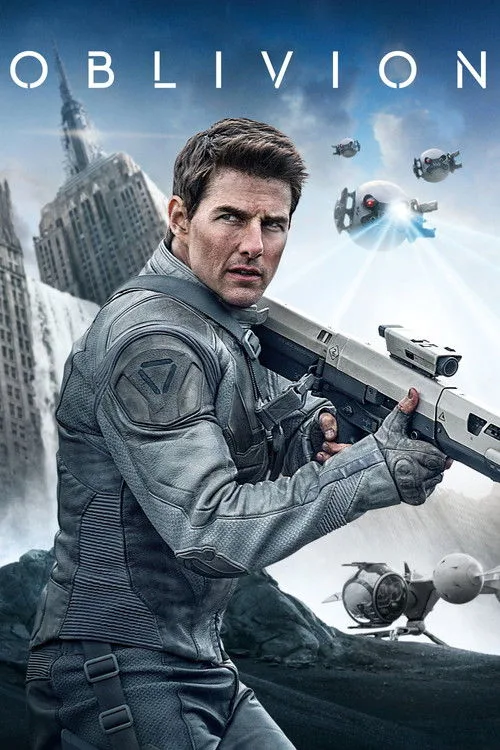
Oblivion
Action, Science Fiction · 2h 4m
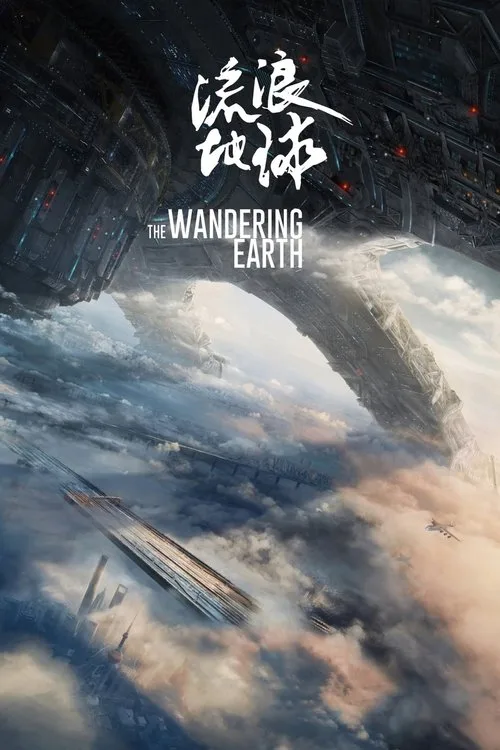 Shanghai 2019
 The Wandering Earth
Sci-Fi, Action · 2h 5m
 Venice 1954
 Seven Samurai
Action, Drama · 3h 27m
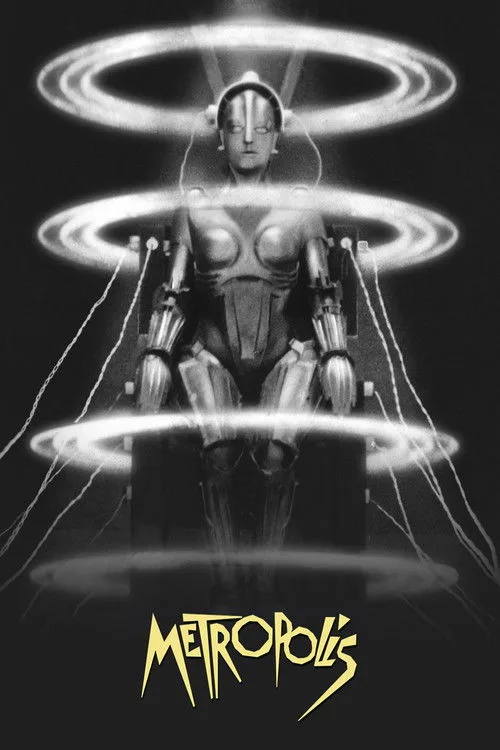
Metropolis
Sci-Fi, Drama · 2h 33m
Rent: Amazon Video, Apple TV, Google Play, YouTube, Fandango at Home, Viki. Buy: Amazon Video, Apple TV, Google Play, YouTube, Fandango at Home. Regional notes: Prime Video in India; Netflix in South Korea; Hulu in Japan.