Street Fighter (2026) Reviews: What Critics Said
Street Fighter's game affection, animated flashbacks and playful cast won some praise, but most critics faulted its juvenile jokes, crowded story and uneven action.
Critics mostly recommend it only to fans happy with chaotic, self-aware camp; others may prefer to wait. This compares published reviews; Celluloid has not screened or rated the film.
Editorial note: This article compares named, published reviews of Street Fighter. It is not a first-hand Celluloid screening report and carries no Celluloid review rating. Sources were checked on 27–28 October 2026; aggregator summaries can change.
Is Street Fighter worth watching?
The critical answer is a cautious maybe for game fans, and usually no for viewers wanting a coherent action film. Admirers enjoyed its affection for the characters, colourful design and willingness to laugh at the premise. Even positive reviews, however, mention too much plot and comedy that wears thin. The most sceptical critics found the fights, storytelling and humour equally disappointing. A much warmer audience snapshot makes this a particularly clear case of expectations shaping enjoyment.
What is Street Fighter about?
In 1993, Chun-Li brings estranged fighters Ryu and Ken Masters back together for the World Warrior Tournament. Behind the contest is a conspiracy connected to M. Bison, while Ryu and Ken must also confront their shared past. The premise leaves room for a large roster of game characters, signature moves and animated flashbacks alongside the live-action fights.
Kitao Sakurai directed and co-wrote the film with T.J. Fixman. Andrew Koji plays Ryu, Noah Centineo plays Ken and Callina Liang plays Chun-Li, with David Dastmalchian as Bison. Cody Rhodes, Joe Anoa’i, Andrew Schulz, Eric André and Vidyut Jammwal also appear. The roughly two-hour film opened on 16 October 2026. Full credits and certification are on the Street Fighter film page.
What did fans of the film enjoy?
Empire’s Helen O’Hara found the adaptation silly and overstuffed but genuinely fun. She credited Sakurai’s affection for the games and his refusal to treat their outlandish world too solemnly. For her, Ryu and Ken provide a useful centre, the fights have distinct identities and enough physical contact to feel substantial, and the cast appears to understand the joke rather than merely modelling the costumes.
Frank Scheck’s negative Hollywood Reporter review still recognised several strengths. He praised the design and effects teams for recreating the game’s extravagant looks, found Centineo entertaining as the oafish Ken, and thought Koji supplied needed gravity. He also noted Liang’s charisma. These points matter for newcomers: even a critic dissatisfied with the whole saw committed performances beneath the noise.
At 25 Years Later, Ashley enjoyed the film most as a story about Ryu and Ken repairing their friendship. She praised Koji and Dastmalchian and appreciated performers who could sell heightened material with a straight face. Her recommendation came with a significant qualification: the movie is at its best when it stays with that friendship rather than trying to service every character and subplot.
Why are the animated flashbacks so widely discussed?
The hand-drawn sequences were praised across otherwise conflicting reviews. Scheck called them vibrant and effective—so effective that they overshadowed the live action for him. Jacob Oller in The A.V. Club considered them the film’s most coherent and visually accomplished passages, giving Ryu and Ken’s history more emotional clarity than the frantic present-day story.
Ashley also admired their beauty but worried that they did emotional work the live-action scenes should have earned. This is a useful distinction for readers: praise for the animation does not necessarily amount to praise for the film’s overall direction. Several critics liked those passages while questioning how often the movie returns to them.
Where does Street Fighter lose its way?
Scheck described an uneven mixture of deadly serious storytelling and parody, arguing that the filmmakers’ enthusiasm produces too many characters and too little narrative focus. He also found the colourful fights underwhelming next to more ambitious contemporary action cinema. Oller was harsher still, criticising repetitive combat, frantic editing and a script crowded with characters and gags that undercut one another.
O’Hara’s warmer assessment nevertheless objected to the excess plot and sequel-oriented conclusion. Ashley likewise felt the jokes continued after landing and that the tournament was squeezed by its own ensemble. The disagreement is therefore less about whether the film is busy—it plainly is by every account—than about whether its energy and affection make that busyness enjoyable.
Why do critics and audiences differ so sharply?
When checked on 27 October 2026, Rotten Tomatoes showed a mostly negative critics’ tally alongside a much warmer verified-audience score. The critics’ consensus praised the affection and visual style but objected to incoherent storytelling and juvenile humour. These are separate, changing third-party measures, not a Celluloid Score and not proof that any individual viewer will enjoy it. They do show why a fan-oriented recommendation needs more nuance than a simple “good” or “bad.”
Who should watch Street Fighter?
It is best suited to viewers who recognise the roster, enjoy self-aware camp and can forgive a messy story for colourful characters and anime interludes. Those expecting a disciplined martial-arts drama or an accessible introduction to the franchise should heed the negative reviews. It is rated PG-13 in the US and 12A in the UK.
For another divisive game adaptation, see what critics said about The Super Mario Galaxy Movie. Readers seeking a different style of game-inspired action can compare Sonic the Hedgehog 3 or browse the action catalogue.
The critical verdict
Street Fighter has real defenders, but its praise is unusually specific: game affection, playful performances, striking animated flashbacks and moments of physical action. The prevailing criticism is that those pleasures are buried under too many characters, prolonged jokes and an unfocused plot. Fans who already want to spend time with this roster may side with O’Hara and Ashley; viewers prioritising storytelling will find more compelling warnings in Scheck and Oller.
Sources & further reading
This article compares the named critics below. It is not the author’s personal review; any confirmed personal rating is shown separately on the film page.
- Empire — Helen O'Hara on Street Fighter's affectionate humour and action
- The Hollywood Reporter — Frank Scheck on the adaptation's fan service and uneven tone
- The A.V. Club — Jacob Oller on the comedy, combat and animated sequences
- 25 Years Later — Ashley on Ryu and Ken's friendship and the overlong comedy
- Rotten Tomatoes — Street Fighter reviews, audience snapshot and critical consensus
Availability is a catalogue snapshot and can change. Confirm with the provider in your region.
Where to watch Street Fighter
Street Fighter is in cinemas now.
Not confirmed on major subscription platforms in our US baseline — check regional listings.
Full scores and availability on the movie page.
If you liked Street Fighter
Ranked by genre overlap and Celluloid Score.
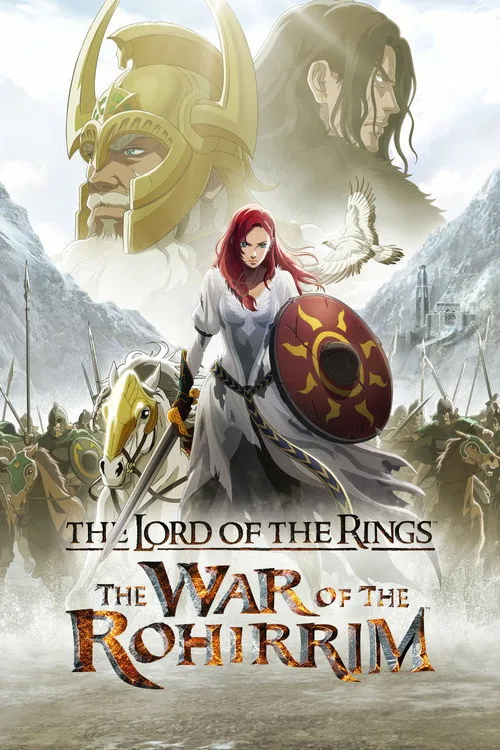
The Lord of the Rings: The War of the Rohirrim
Animation, Fantasy · 2h 14m
The Odyssey
Action, Adventure · 2h 53m
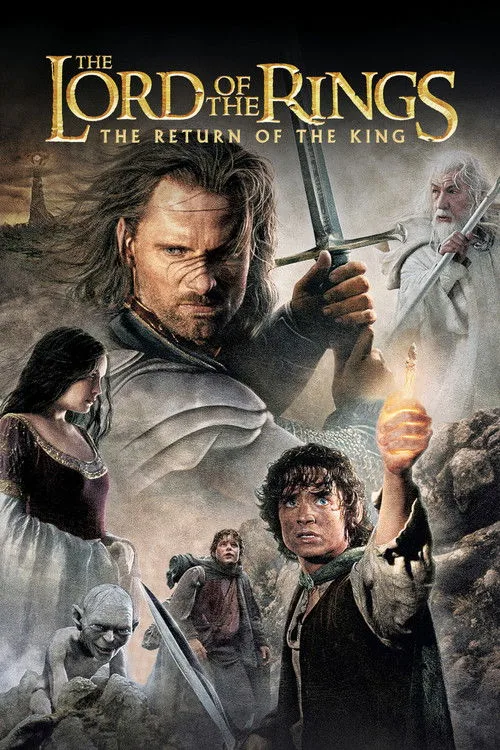 Featured
The Lord of the Rings: The Return of the King
Adventure, Fantasy · 3h 21m
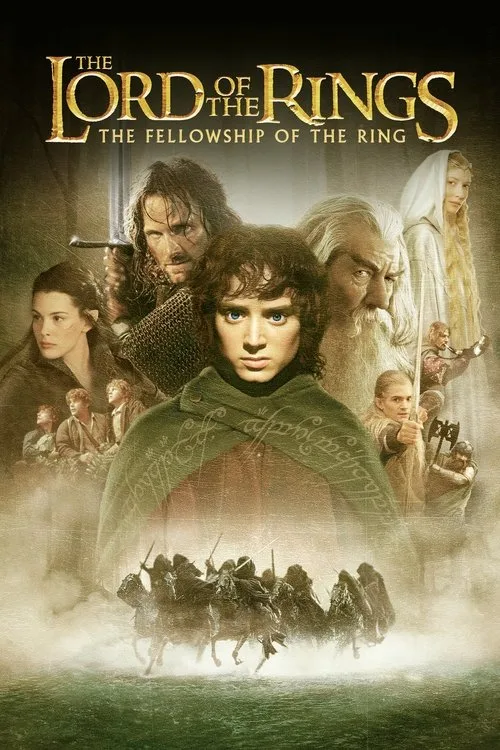 Featured
The Lord of the Rings: The Fellowship of the Ring
Adventure, Fantasy · 2h 59m