Red Cliff (2008) Review: John Woo's Three Kingdoms Epic
Red Cliff is John Woo's lavish retelling of the Three Kingdoms battle, with Tony Leung and Takeshi Kaneshiro as allies facing Cao Cao's vast army and fleet.
★★★★☆ 4/5
Yes, with reservations. It is grand, exciting historical spectacle for war-epic fans; seek out the two-part version if you can, as the single cut feels compressed.
Is Red Cliff worth watching?
Yes, with reservations. Red Cliff is one of the great modern Chinese war epics, a big, confident spectacle in which John Woo swaps pistols for armies and brings his operatic style to ancient history. Its battle scenes are enormous and intelligently staged, and its heroes are strategists as much as fighters, which gives the action a satisfying logic. The reservations are a digital fleet that has aged and, in the single-film international cut, a story that sometimes feels hurried.
What is Red Cliff about?
In the dying years of the Han dynasty, the ambitious prime minister Cao Cao (Zhang Fengyi) leads a huge army south, determined to crush the last warlords who refuse to bow to him. The weaker kingdoms of the south have one chance: to combine forces. The strategist Zhuge Liang (Takeshi Kaneshiro) is sent to persuade the kingdom of Wu to join the fight, where he meets its brilliant commander, Zhou Yu (Tony Leung Chiu-wai). Their uneasy partnership, part rivalry and part mutual respect, becomes the heart of the preparations for a decisive confrontation at the Red Cliffs on the Yangtze River.
Red Cliff is directed by John Woo and draws on the historical Battle of Red Cliffs and the classic novel Romance of the Three Kingdoms. It is in Mandarin. In much of Asia it was released in two long parts in 2008 and 2009; the international version condenses the story into a single 148-minute film.
Woo trades bullets for battle formations
Woo made his name with stylised Hong Kong gun ballets such as The Killer, and Red Cliff shows how well that sensibility scales up. The battles are choreographed as puzzles: formations open and close, cavalry is lured into traps, and each commander’s plan unfolds in ways the audience can follow. The first great clash, built around a shifting infantry formation, is a model of large-scale clarity, and the climactic naval battle is as extravagant as the premise promises.
The filmmaking is proudly theatrical. Slow motion, sweeping crane shots and a white dove soaring across enemy lines are unmistakably Woo, and the style suits a story that has been told as legend for centuries. Individual heroes get showcase moments on the battlefield, each introduced like a character in an opera.
Brains before brawn
What sets Red Cliff apart from many historical epics is its interest in intelligence. Kaneshiro plays Zhuge Liang with a serene, amused calm, reading the weather and his enemy’s psychology, while Tony Leung gives Zhou Yu a warm authority and a lover of music’s sensitivity. The film’s best scenes are their conversations, including a sequence of shared musical performance that says more about their alliance than any speech.
Zhang Fengyi’s Cao Cao is a more complicated villain than he first seems, proud and vain but formidable, and the film gives him enough humanity to make him interesting. The female characters, played by Lin Chi-ling and Zhao Wei, get less space than the men, though Zhao brings welcome energy as a spirited princess.
What the single cut loses
The international version trims more than an hour of material from the combined two-part release, and it shows. Relationships are sketched quickly, some supporting warriors blur together, and occasional narration fills gaps that the longer version dramatises. The large-scale computer-generated fleets also look dated beside the practical battle scenes. Neither problem ruins the film, but together they explain why many admirers prefer the full two-part epic.
Who should watch Red Cliff?
It is ideal for fans of historical war films, Chinese epic cinema and anyone who enjoys battle strategy on screen. Choose your version: 148 minutes for the single cut, or around twice that for the two-part release. The violence is frequent and bloody but largely battlefield spectacle rather than lingering gore, suitable for older teenagers.
If you want more in the same vein:
- Hero, Zhang Yimou’s colour-drenched wuxia epic, which shares its interest in legend and history.
- Crouching Tiger, Hidden Dragon, for a more intimate, romantic take on Chinese martial arts cinema.
- The Killer, John Woo’s Hong Kong classic, to see where his operatic action style began.
The verdict
Red Cliff is a thrilling, beautifully organised war epic that proves John Woo’s style can command armies as well as gunfights. Its digital effects and compressed international cut hold it back from greatness, but its strategy, spectacle and fine central performances make it well worth the time.
Rating: 4/5
Availability is a catalogue snapshot and can change. Confirm with the provider in your region.
Where to watch Red Cliff
Streaming: Prime Video
Rent: Amazon Video, Apple TV, Google Play, YouTube, Fandango at Home
Buy: Amazon Video, Apple TV, Google Play, YouTube, Fandango at Home
By region: Prime Video in the United States; Netflix, Wavve, TVING in South Korea; Lionsgate Play in Malaysia
Full scores and availability on the movie page.
If you liked Red Cliff
Ranked by genre overlap and Celluloid Score. More movies like Red Cliff →
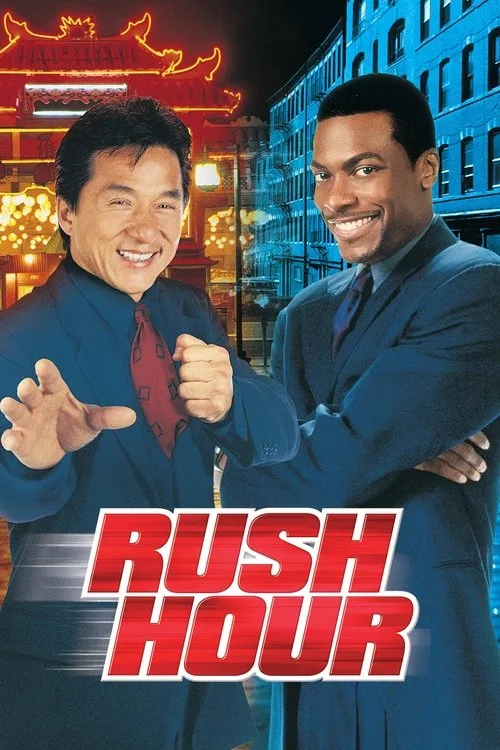
Rush Hour
Action, Comedy · 1h 37m
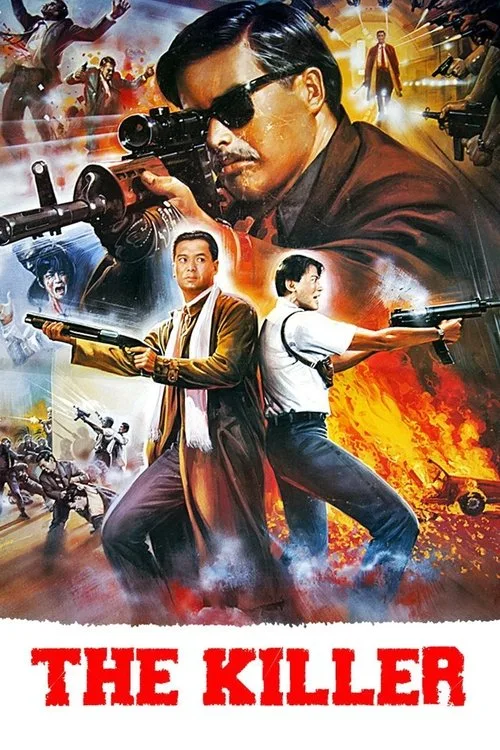 HKIFF 1989
 The Killer
Action, Crime · 1h 50m
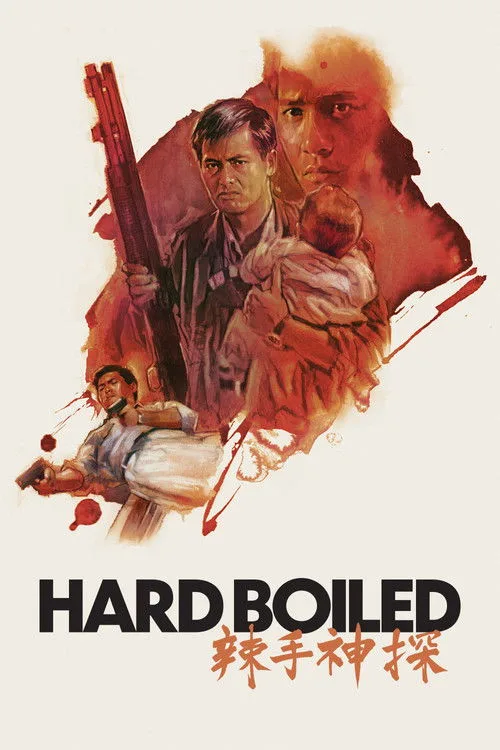 HKIFF 1992
 Hard Boiled
Action, Thriller · 2h 6m
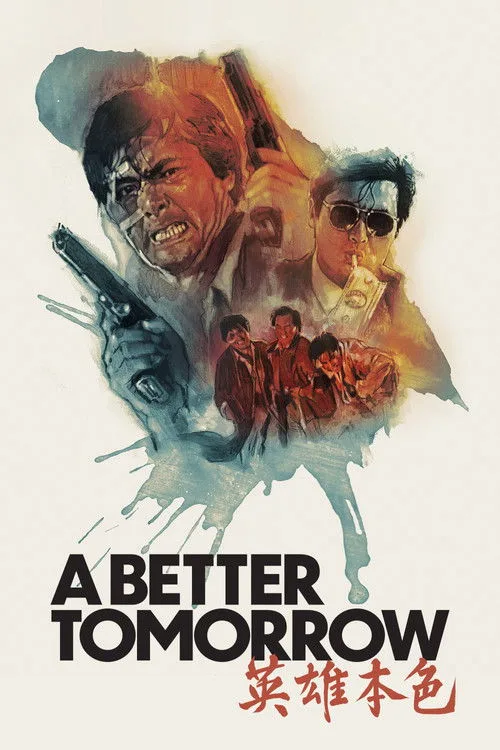 HKIFF 1987
 A Better Tomorrow
Action, Crime · 1h 35m
Where can I watch Red Cliff?
Streaming: Prime Video. Rent: Amazon Video, Apple TV, Google Play, YouTube, Fandango at Home. Buy: Amazon Video, Apple TV, Google Play, YouTube, Fandango at Home. Regional notes: Prime Video in the United States; Netflix, Wavve, TVING in South Korea; Lionsgate Play in Malaysia.