Pulp Fiction (1994) Review: Talk, Time and Sudden Violence
Pulp Fiction is Quentin Tarantino's Palme d'Or-winning Los Angeles crime film, a shuffled deck of hitmen, boxers and robbers that changed American cinema in the 1990s.
★★★★★ 5/5
Yes. It is one of the defining films of the 1990s, essential for anyone who loves crime cinema, great dialogue and bold storytelling, provided graphic violence is no obstacle.
Is Pulp Fiction worth watching?
Yes. Pulp Fiction is a landmark of modern cinema, as funny, shocking and endlessly quotable today as it was in 1994. Quentin Tarantino takes the stuff of cheap crime paperbacks and rebuilds it into something new, with a shuffled timeline, dialogue that crackles and a cast at the top of its game. The only caveats concern taste rather than quality: the violence, language and casual provocations are strong, and viewers who dislike Tarantino’s style will not be converted here.
What is Pulp Fiction about?
The film weaves together several stories from the Los Angeles underworld. Two hitmen, Vincent Vega (John Travolta) and Jules Winnfield (Samuel L. Jackson), are sent to recover a mysterious briefcase for their boss, the crime lord Marsellus Wallace (Ving Rhames). Vincent is also asked to take Marsellus’s wife, Mia (Uma Thurman), out for an evening while her husband is away, a job with obvious risks. Meanwhile, an ageing boxer, Butch (Bruce Willis), has been paid to lose a fight, and a pair of small-time robbers are planning a hold-up in a diner.
These stories overlap and intersect in unexpected ways, told out of chronological order in a series of chapters.
Pulp Fiction is written and directed by Tarantino. It is an American film in English, runs 154 minutes, won the Palme d’Or at Cannes in 1994 and earned Tarantino and Roger Avary the Academy Award for Best Original Screenplay.
A structure that plays with time
Pulp Fiction’s shuffled chronology is its most famous feature, and it is far more than a gimmick. By rearranging the stories, Tarantino changes their meaning: characters return in different contexts, small moments take on new significance, and the film builds to an ending that feels both surprising and inevitable. The structure keeps viewers alert and makes the film endlessly rewatchable, as each viewing reveals new connections.
It also changes how the violence lands. Scenes that begin as comedy turn to horror without warning, and vice versa, and the film’s rhythm, from long, leisurely conversations to sudden explosions, keeps the audience off balance.
Dialogue as the real action
The film’s greatest pleasure is its writing. Tarantino’s characters talk constantly, about burgers, foot massages, television pilots and divine intervention, and these conversations, seemingly irrelevant, reveal who they are and build tension while appearing to relax it. The dialogue is funny, profane and musical, and many lines have become part of popular culture.
The cast is superb. Samuel L. Jackson gives a career-defining performance as Jules, whose intensity and wit make every scene electric. Travolta, in a celebrated comeback, is laid-back, vain and oddly endearing, and his dance scene with Uma Thurman, whose Mia is cool, playful and unpredictable, is one of the most famous moments in 1990s cinema. Bruce Willis, Ving Rhames, Harvey Keitel, Tim Roth and Amanda Plummer all make strong impressions.
Where the provocations show their age
The film’s style is not for everyone. The violence is graphic and sometimes played for laughs, the language is relentless, and the frequent use of racial slurs, including by Tarantino in his own cameo, sits uncomfortably with many viewers today. At over two and a half hours, some viewers may also feel the long conversations test their patience. These are part of the film’s identity rather than flaws in its execution, but they are worth knowing.
Who should watch Pulp Fiction?
It is essential for fans of crime films, dark comedy and bold, innovative storytelling, and for anyone interested in the history of independent cinema. It is strictly for adults: expect graphic violence, drug use, sexual violence and strong language throughout.
If you love it, try these next:
- GoodFellas, Scorsese’s energetic gangster epic, which shares Pulp Fiction’s mix of humour and violence.
- Kill Bill: Vol. 2, Tarantino’s revenge saga, which reunites him with Uma Thurman and shows his talent for long, tense conversations.
- Django Unchained, a later Tarantino film that carries his style into the western.
The verdict
Pulp Fiction is a masterpiece that transformed modern cinema, with brilliant writing, unforgettable performances and a daring structure that still feels fresh. Its violence and provocations will put some viewers off, but for anyone who loves film, it is essential.
Rating: 5/5
Availability is a catalogue snapshot and can change. Confirm with the provider in your region.
Where to watch Pulp Fiction
Streaming: Prime Video, fuboTV, Paramount+, YouTube TV
Rent: Amazon Video, Apple TV, Google Play, YouTube, Fandango at Home, Spectrum On Demand
Buy: Amazon Video, Apple TV, Google Play, YouTube, Fandango at Home
By region: Prime Video, fuboTV, Paramount+ in the United States; Paramount+, ITVX in the United Kingdom; Disney+ Hotstar in India; Prime Video, Hulu, U-NEXT in Japan
Full scores and availability on the movie page.
If you liked Pulp Fiction
Ranked by genre overlap and Celluloid Score. More movies like Pulp Fiction →
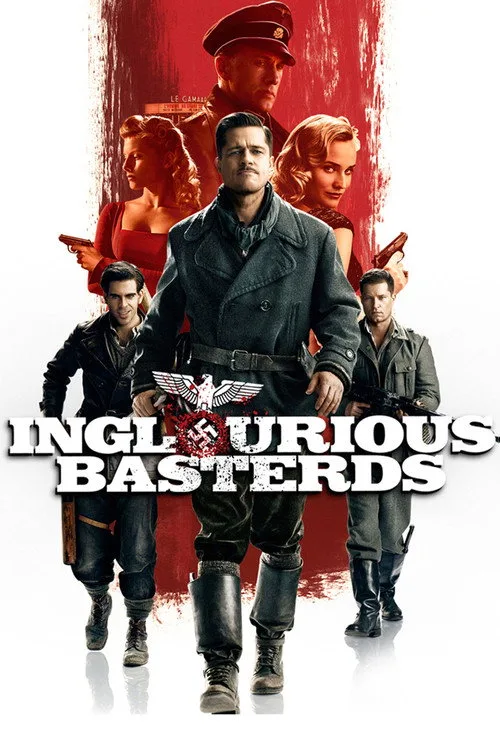 Cannes 2009
 Inglourious Basterds
Drama, Thriller · 2h 33m
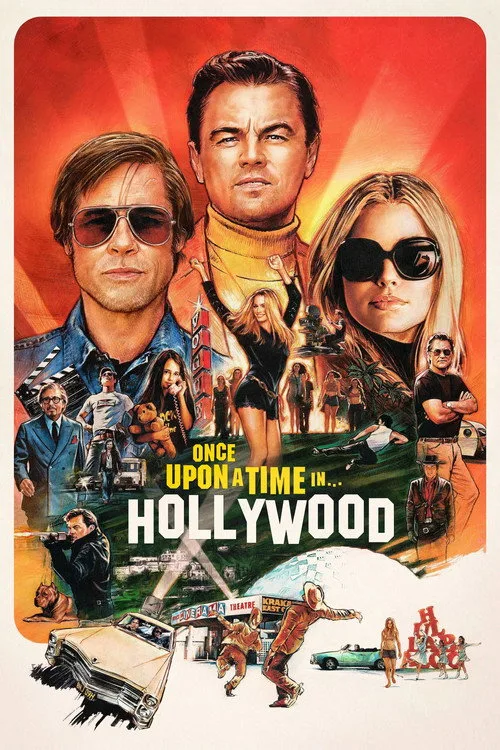 Cannes 2019
 Once Upon a Time... in Hollywood
Comedy, Drama · 2h 42m
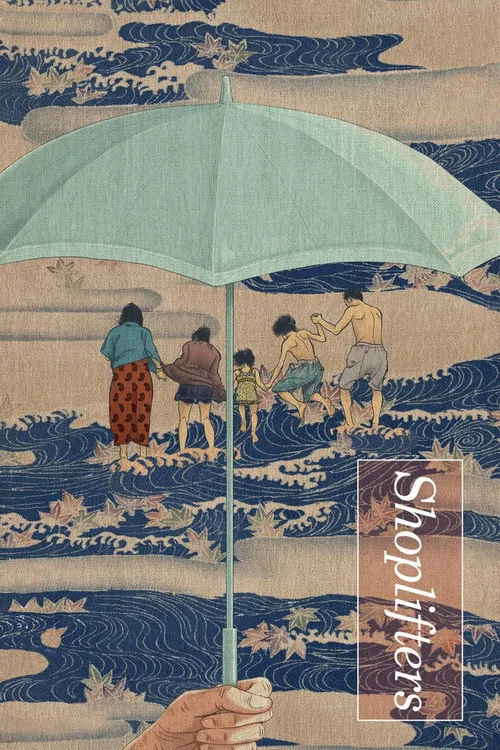 Cannes 2018
 Shoplifters
Drama, Crime · 2h 0m
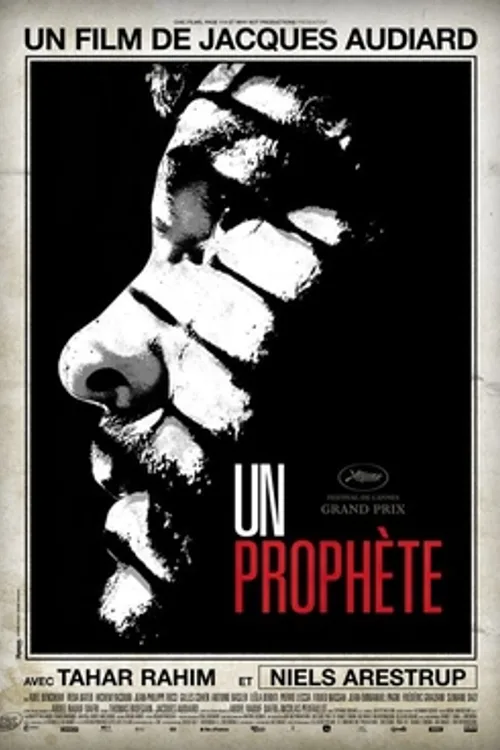 Cannes 2009
 A Prophet
Crime, Drama · 2h 35m
Where can I watch Pulp Fiction?
Streaming: Prime Video, fuboTV, Paramount+, YouTube TV. Rent: Amazon Video, Apple TV, Google Play, YouTube, Fandango at Home, Spectrum On Demand. Buy: Amazon Video, Apple TV, Google Play, YouTube, Fandango at Home. Regional notes: Prime Video, fuboTV, Paramount+ in the United States; Paramount+, ITVX in the United Kingdom; Disney+ Hotstar in India; Prime Video, Hulu, U-NEXT in Japan.