Power Ballad Review: Paul Rudd and Nick Jonas Reclaim a Stolen Anthem at 88%
John Carney pairs Paul Rudd and Nick Jonas in an 88% Dublin song-theft drama — Ireland's feel-good theatrical of the spring with a third-act chorus that earns its key change.
★★★★☆ 4/5
Certified Fresh comfort on Best of 2026 — Ireland music cinema for anyone who wished Once had a slightly bigger budget and a lawsuit.
Is Power Ballad worth your time?
For music-drama fans, absolutely — Carney’s 88% Tomatometer return to the Once lane is his most confident work since Sing Street. Power Ballad pairs Paul Rudd’s washed-up session musician with Nick Jonas’s hungry producer in a song-theft story Empire’s summer issue singled out among Irish theatricals. A teenage demo became one of rock’s biggest power ballads — credited to a rival who never wrote a note. Metascore 75, Letterboxd 3.6, and IMDb 7.2 reflect honest middleweight prestige — not masterpiece, but deeply satisfying. Chris O’Dowd and Fionnula Flanagan ground the ensemble in pub warmth and maternal skepticism.
Carney’s live-session patience
Carney films pub sessions and studio arguments with the same performance-first patience that made his name — actors playing musicians who believe music is argument resolved temporarily into melody. Rudd sells shame as well as charm; his character’s humiliation is not montaged away before the third act. Jonas avoids vanity-producer clichés by playing hunger as intelligence rather than villainy. The song itself — fictional but believable — must carry plot weight, and Carney’s team wrote something that sounds like a song worth stealing, which is non-negotiable for this premise. The 110-minute runtime earns its crescendo because Carney never condescends to the industry satire or the sincerity.
Rudd, Jonas, and the stolen chorus
Searchlight gave Carney room to film music as process — tuning, arguing over lyrics, the silence before a take when shame visits. O’Dowd’s pub scenes provide Irish grounding without condescension; Flanagan’s maternal skepticism prevents the film from becoming pure underdog fantasy. The fictional power ballad must sound like something worth stealing, and the songwriting team delivered — the chorus lands in the third act because the melody was planted in the first. Jonas avoids vanity by playing hunger as intelligence; his producer character wants the song because he recognizes genius, not because the plot needs a villain.
Why audiences trail critics slightly
78% Popcornmeter suggests some viewers wanted a harder edge to the industry satire — Carney chooses warmth over bite in the final stretch. I understand the note; I still think the choice fits the Once lineage. This is feel-good with stakes, not feel-good without them. The courtroom chorus lands because Rudd spent ninety minutes earning the right to sing angry. Carney’s Dublin locations are character — pubs, studios, rainy streets — and Searchlight gave him budget enough to show them properly. Ireland’s row on Best of 2026 is stronger for having this entry.
Where does it sit in 2026?
On Best of 2026, Power Ballad anchors the Ireland row alongside international picks. Compare with Kaiser Khan’s People We Meet on Vacation for romcom comfort versus musician grit. Kaiser Khan’s Epic: Elvis Presley in Concert covers real-stage resurrection in the same spring/summer window.
Verdict
Certified Fresh comfort — Kaiser Khan’s pick for Carney faithful and anyone who loves a third-act chorus that did not cheat its setup. Stream or see theatrically while Dublin still feels like character, not backdrop. Jonas continues to prove he can act when the material respects musicianship over pin-up status; Rudd matches him beat for beat. The song at the center is good enough that you may search streaming platforms afterward — highest praise for fictional music. Carney understands that music dramas fail when the songs fail; here the power ballad earns its plot importance. Fionnula Flanagan’s single-scene gravitas reminds you why Irish character actors anchor so many of these stories.
Availability is a catalogue snapshot and can change. Confirm with the provider in your region.
Where to watch Power Ballad
Not confirmed on major subscription platforms in our US baseline — check regional listings.
Rent: Amazon Video, Apple TV, Google Play, YouTube, Fandango at Home
Buy: Amazon Video, Apple TV, Google Play, YouTube, Fandango at Home
Full scores and availability on the movie page.
If you liked Power Ballad
Ranked by genre overlap and Celluloid Score. More movies like Power Ballad →
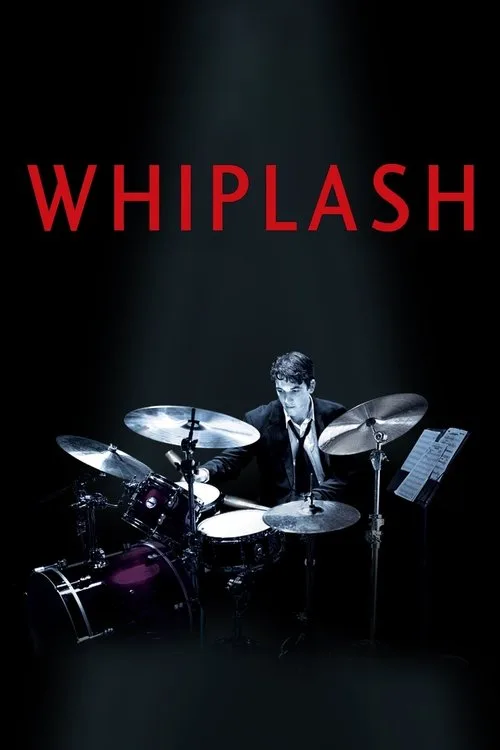 Sundance 2014
 Whiplash
Drama, Music · 1h 47m
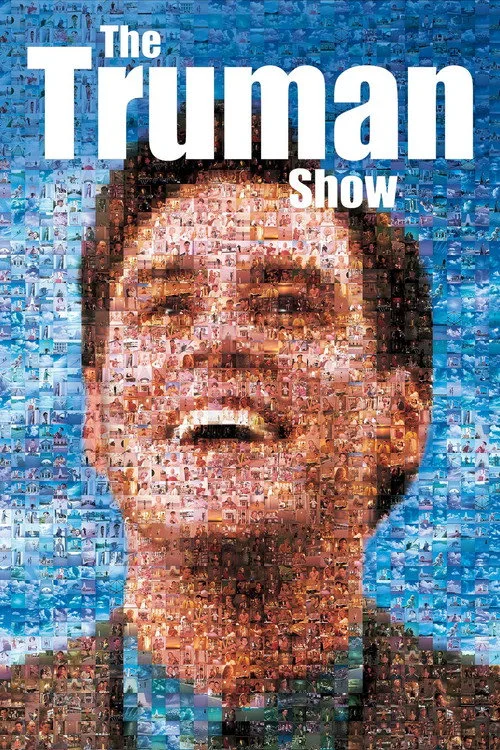 Featured
 The Truman Show
Comedy, Drama · 1h 43m
 FeaturedSundance 2025
 Come See Me in the Good Light
Comedy, Drama · 1h 55m
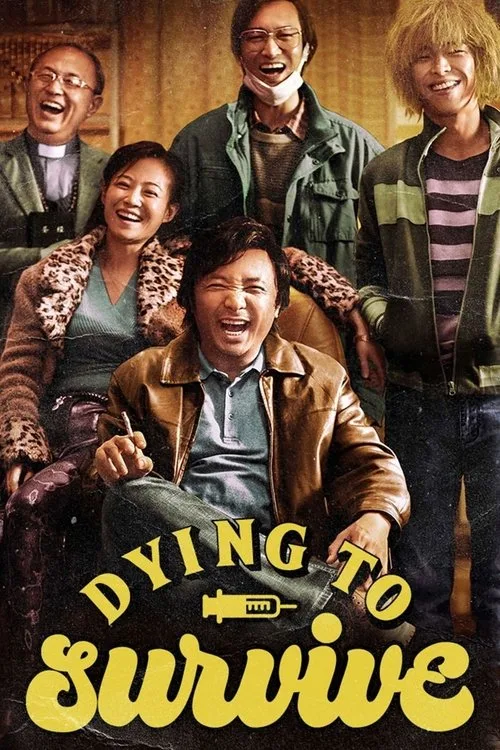 FeaturedShanghai 2018
 Dying to Survive
Drama, Comedy · 1h 57m