Pixote (1980) Review: Childhood Failed by the State
Pixote is Héctor Babenco's harrowing Brazilian drama about São Paulo street children, cast with real kids and shot with an unflinching, neorealist honesty.
★★★★½ 4.5/5
Yes, if you can take it. This is one of the great films about abandoned children, essential for serious viewers but deeply distressing and not for the faint-hearted.
Is Pixote worth watching?
Yes. Pixote is a landmark of Latin American cinema and one of the most devastating films ever made about childhood, though it is a genuinely hard watch. Héctor Babenco cast real street children and filmed their world with almost documentary directness, and the result has lost none of its force in more than four decades. The reservation is simply its bleakness: the film offers little relief, and some sequences involving children are extremely difficult to sit through.
What is Pixote about?
Pixote is a small, silent boy of around ten who is swept up in a police raid on the streets of São Paulo and sent to a juvenile reformatory. Inside, he learns quickly how things work: older boys prey on younger ones, guards and officials abuse their power, and the institution meant to protect him is teaching him to survive by any means. He falls in with a group of older teenagers, among them the tender, streetwise Lilica (Jorge Julião) and the tougher Dito (Gilberto Moura), and the film follows where that bond and the streets take them.
Pixote was directed by Babenco and is a Brazilian film in Portuguese running 128 minutes. The title role is played by Fernando Ramos da Silva, a non-professional who came from the kind of poverty the film depicts. Marília Pêra, one of Brazil’s great actresses, appears later in a major supporting role.
Babenco’s neorealism without sentiment
Babenco opens the film by stepping in front of the camera himself, standing near a poor São Paulo neighbourhood and explaining the scale of Brazil’s crisis of abandoned children. It is a blunt, almost journalistic gesture, and it tells you what kind of film follows: one that wants to indict rather than entertain.
What follows is closer to Italian neorealism than to a conventional crime drama. The reformatory scenes have the texture of reportage, with long, unshowy takes, natural light and children who clearly are not performing in any trained sense. Babenco rarely editorialises inside the drama itself. He lets the routine brutality of the system speak, and the absence of melodrama makes it worse.
The performances that make it unbearable
Fernando Ramos da Silva’s face is the film. He is not asked to act so much as to be watched, and his blankness, which hardens as the film goes on, becomes its most eloquent argument. It is impossible to forget that he was a real child from a real favela, and his short life after the film, which ended at 19 when he was killed by police in 1987, adds a layer of tragedy that lingers over every viewing.
Jorge Julião gives Lilica a warmth and wit that make the character the film’s emotional centre for long stretches, and the teenagers’ improvised camaraderie provides the only light in a dark story. When Marília Pêra arrives, she gives one of the great supporting performances in Brazilian cinema, raw and unvain, and her scenes with Ramos da Silva are among the most painful in the film.
Where the power becomes punishment
The film’s refusal to soften anything is also what will keep some viewers away. The second half grows more episodic and relentless, and at over two hours it can feel less like a story than an accumulation of damage. That is the point, but it means the film works better as testimony than as drama with a shaped arc.
Who should watch Pixote?
It is essential for anyone interested in Brazilian cinema, social-realist drama or the roots of the modern crime film about poverty and youth. It is emphatically not for younger viewers or anyone sensitive to depictions of child abuse: there is violence against and by children, drug use, prostitution and the sexual exploitation of minors among its themes. Watch it prepared and with time to reflect afterwards.
For related viewing from Brazil:
- City of God, which carries Pixote’s subject into a flashier, more kinetic gangster epic two decades later.
- Central Station, a far gentler Brazilian drama about an abandoned boy and the stranger who helps him.
The verdict
Pixote is a furious, compassionate and almost unbearably honest film that turned the plight of Brazil’s street children into cinema that still indicts its audience. Its relentlessness makes it demanding, and it is not a film you watch for pleasure, but its power is undeniable and its central performance is unforgettable.
Rating: 4.5/5
Availability is a catalogue snapshot and can change. Confirm with the provider in your region.
Where to watch Pixote
Not confirmed on major subscription platforms in our US baseline — check regional listings.
Rent: Amazon Video
Buy: Amazon Video
By region: MUBI in Indonesia; MUBI in South Korea; MUBI in Japan; MUBI in the Philippines
Full scores and availability on the movie page.
If you liked Pixote
Ranked by genre overlap and Celluloid Score. More movies like Pixote →
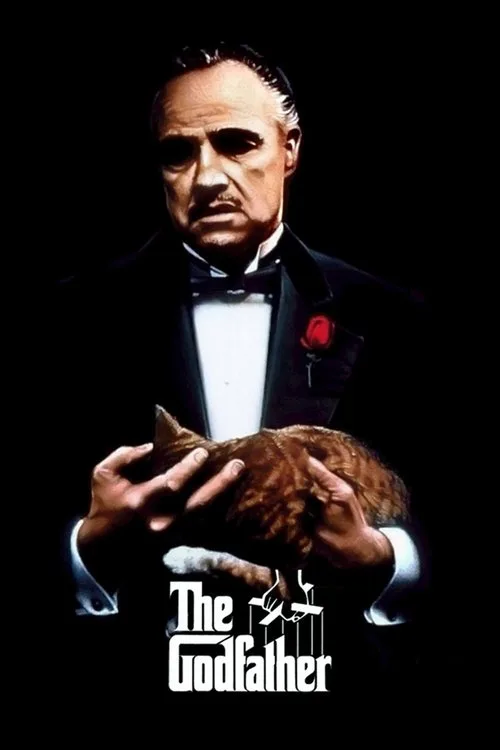
The Godfather
Crime, Drama · 2h 55m
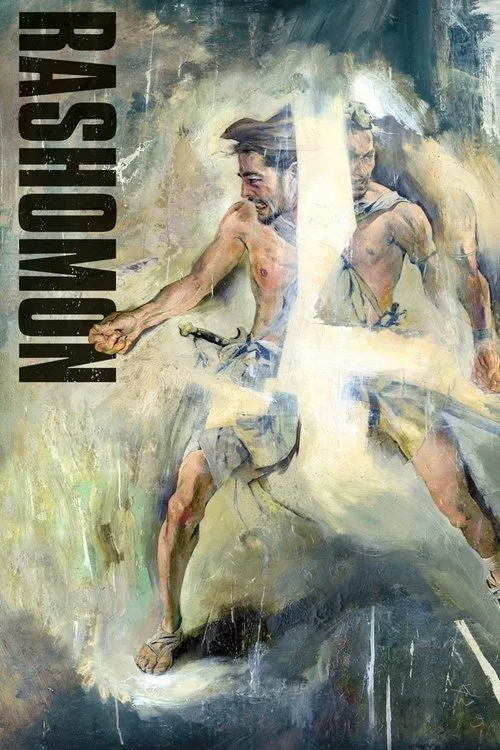 Venice 1951
 Rashomon
Crime, Drama · 1h 28m
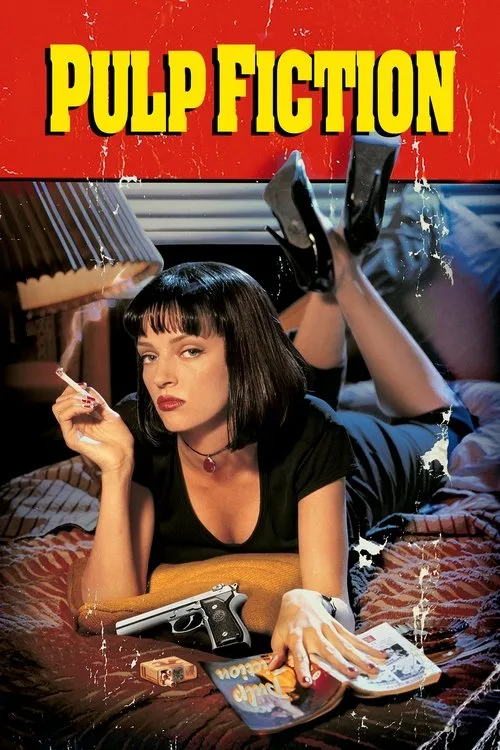 Cannes 1994
 Pulp Fiction
Crime, Drama · 2h 34m
 Cannes 2018
 Shoplifters
Drama, Crime · 2h 0m
Where can I watch Pixote?
Rent: Amazon Video. Buy: Amazon Video. Regional notes: MUBI in Indonesia; MUBI in South Korea; MUBI in Japan; MUBI in the Philippines.