Central Station (1998) Review: A Hard Heart Heads North
Central Station is Walter Salles's Brazilian road movie about a jaded letter writer and an orphaned boy, powered by Fernanda Montenegro's extraordinary lead.
★★★★½ 4.5/5
Yes. It is a deeply moving road drama and one of the landmarks of Brazilian cinema, perfect for viewers who like emotional stories told with restraint and grit.
Is Central Station worth watching?
Yes. Central Station is a tough-minded, beautifully acted road movie that earns every tear it draws, and Fernanda Montenegro’s performance is one of the finest of the 1990s. Walter Salles pairs a bitter old woman with a stubborn child and sends them across Brazil, and the film finds a whole country in their journey. The only reservation is that a few late moments lean towards sentimentality the rest of the film carefully avoids.
What is Central Station about?
Central Station begins in Rio de Janeiro’s vast main railway station, where Dora (Fernanda Montenegro), a retired schoolteacher, makes a living writing letters for people who cannot read or write. She is cynical about her customers and their hopes, and she does not always post what she writes.
One of those customers is a mother writing to the absent father of her son, nine-year-old Josué (Vinícius de Oliveira). When the boy is suddenly left alone in the city, Dora reluctantly becomes responsible for him, and her first instincts are far from noble. Eventually the two set out together for Brazil’s remote north-east, in search of the father Josué has never met. Marília Pêra plays Dora’s friend and neighbour, Irene.
Salles directed this Brazilian production in Portuguese, running 110 minutes. It won the Golden Bear at the Berlin Film Festival in 1998, where Montenegro also won the Silver Bear for Best Actress, and she later received an Academy Award nomination for the role.
Fernanda Montenegro’s unsentimental masterclass
Montenegro makes Dora prickly, lonely and frequently unkind, and she never asks for sympathy. The genius of the performance is how slowly and grudgingly the character changes: a flicker of guilt here, a moment of tenderness there, always pulled back before it can become comfortable. By the time Dora opens up, the audience has earned it along with her.
Vinícius de Oliveira, a newcomer, is her perfect match. Josué is not a cute movie child but a proud, sharp, occasionally insufferable boy who argues as fiercely as Dora does, and their bickering gives the film its humour and its warmth. Their relationship feels less like a formula than a negotiation between two people who have both learned not to trust anyone.
A journey through a divided Brazil
Salles, who later made The Motorcycle Diaries, is a natural road-movie director, and Central Station shows why. The film moves from the teeming chaos of Rio’s station to buses, truck stops, dusty towns and the open landscapes of the sertão, and Walter Carvalho’s photography gives each stage its own texture and light. Along the way, the film sketches a country of migrants, believers, hustlers and small kindnesses, where letters are one of the few ways families stay connected.
Faith runs quietly through the journey, too. Pilgrimages, religious festivals and a boy searching for a father named Jesus give the film a spiritual undertow that Salles handles with a light, observant touch rather than as symbolism.
Where it edges towards sentiment
For most of its running time, Central Station resists easy emotion, which makes the handful of moments that reach for it stand out. The score occasionally underlines feelings the performances have already made clear, and some of the characters met on the road are more convenient than complex. These are minor lapses in a film that otherwise balances hardship and hope with real care.
Who should watch Central Station?
It is ideal for viewers who love character-driven drama, road movies and stories about unlikely friendships across generations. At 110 minutes it is an easy, rewarding commitment, and it works well for older children watching with adults, though it depicts poverty, a sudden death and the exploitation of children in ways that may upset younger viewers.
Next stops in Brazilian cinema:
- I’m Still Here, Salles’s later Brazilian drama, in which Montenegro also appears, about a family facing the military dictatorship.
- The Motorcycle Diaries, his other great road movie, following a young Che Guevara across South America.
- Pixote, a harsher Brazilian classic about children abandoned by society.
The verdict
Central Station is a humane, unhurried and quietly devastating film, anchored by one of the great screen performances of its decade. A few sentimental touches aside, its journey, its people and its central friendship stay with you for a long time.
Rating: 4.5/5
Availability is a catalogue snapshot and can change. Confirm with the provider in your region.
Where to watch Central Station
Not confirmed on major subscription platforms in our US baseline — check regional listings.
Buy: Amazon Video, Apple TV
By region: BFI Player in the United Kingdom; Wavve in South Korea
Full scores and availability on the movie page.
If you liked Central Station
Ranked by genre overlap and Celluloid Score. More movies like Central Station →
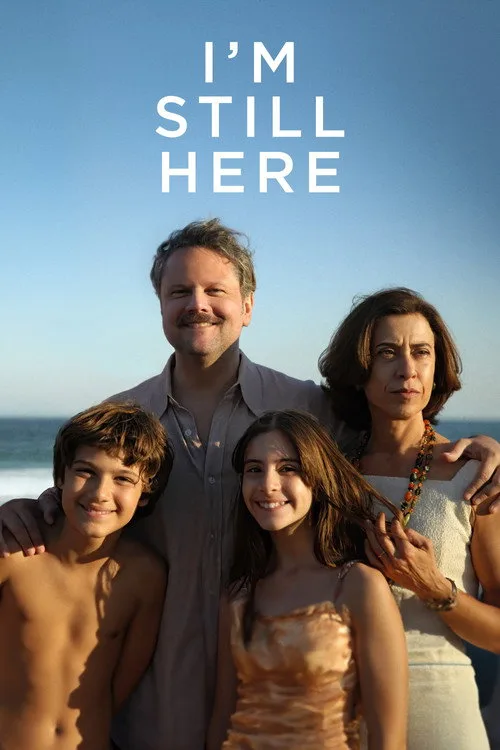 FeaturedVenice 2024
 I'm Still Here
Drama, Biography · 2h 17m
 Morelia 2004
 The Motorcycle Diaries
Biography, Drama · 2h 6m
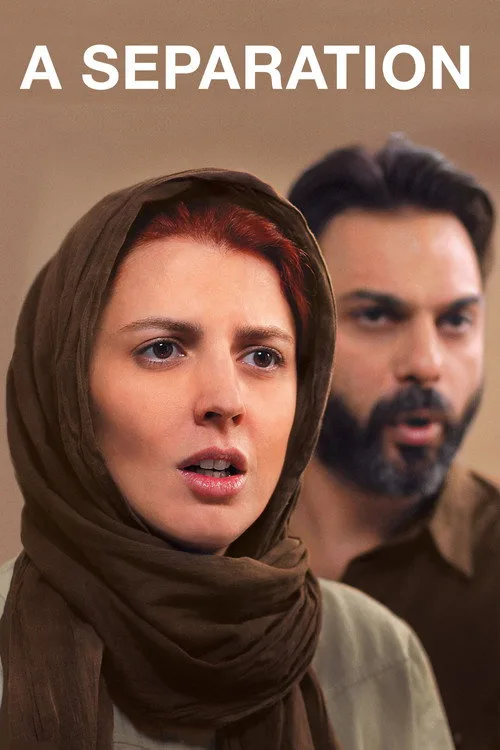 Berlinale 2011
 A Separation
Drama · 2h 3m
 Berlinale 2003
 Hero
Action, Drama · 1h 39m
Where can I watch Central Station?
Buy: Amazon Video, Apple TV. Regional notes: BFI Player in the United Kingdom; Wavve in South Korea.