Megadoc (2025) Review: Coppola Bets Everything Again
Megadoc is Mike Figgis's fly-on-the-wall documentary about Francis Ford Coppola making Megalopolis, a candid look at obsession, money and creative risk.
★★★½☆ 3.7/5
Yes, with reservations. It is fascinating viewing for anyone curious about how films get made or about Coppola himself, though casual viewers may find it too inside.
Is Megadoc worth watching?
Yes, with reservations. Megadoc is an absorbing, unvarnished portrait of Francis Ford Coppola in the middle of his biggest late-career gamble, and it offers rare access to a major director at work on a film nobody else would finance. Mike Figgis, himself a veteran filmmaker, captures the chaos, charm and stubbornness of the Megalopolis shoot without turning it into either a hatchet job or a tribute. The reservation is that its value depends heavily on your interest in Coppola and the mechanics of production; viewers without that stake may find it rambling.
What is Megadoc about?
Megadoc follows Coppola through the making of Megalopolis, the self-financed epic he had been developing for decades before finally shooting it. Figgis was embedded with the production and films in a raw, observational style: rehearsals, set-ups, arguments, improvisations and the long waits that fill a large film shoot. Alongside Coppola, the film features his wife and longtime creative partner Eleanor Coppola, as well as members of the cast, including Adam Driver and Aubrey Plaza.
Figgis directs this American documentary in English, which runs 107 minutes.
A portrait of a director who will not compromise
The film’s central subject is Coppola’s temperament, and Figgis lets it reveal itself. Coppola appears by turns playful, inspired, exasperated and completely certain, working in a way that treats a studio-scale production like an experimental workshop. Watching him push his actors toward improvisation, rethink scenes on the spot and dismiss conventional advice is both thrilling and alarming, and the film leaves it to the viewer to decide which reaction is right.
Figgis’s own background as a director who has experimented with form and financing gives him an unusual sympathy for his subject. He understands what Coppola is trying to do, even when the production seems to be veering off course, and that understanding makes the film more than a catalogue of on-set problems.
An echo of Hearts of Darkness
It is impossible to watch Megadoc without recalling Hearts of Darkness, the celebrated documentary built from Eleanor Coppola’s footage of the troubled Apocalypse Now shoot. The parallels are striking: an ambitious film, a director risking his own fortune, and a crew and cast struggling to follow him. Eleanor’s presence here gives the new film a quiet emotional weight and a direct line back to that earlier chaos; she has seen this kind of gamble before.
The cast interviews and on-set footage also give a sense of what it is like to work inside Coppola’s process, where creative freedom and uncertainty can look like the same thing, and the film captures that tension without editorialising.
Where the access outruns the shape
Fly-on-the-wall access is the film’s great strength, but also a limitation. Megadoc has a loose, episodic structure, moving from one day’s crisis or rehearsal to the next without a strong narrative thread, and some sequences run longer than their insight justifies. Viewers who know little about Megalopolis’s long road to the screen may want to read up first, and the film’s focus on process means viewers expecting a tidy story of triumph or disaster will find it inconclusive. It feels, at times, more like a rich archive than a finished argument.
Who should watch Megadoc?
It is essential for Coppola admirers, film students, and anyone fascinated by how big, risky films get made, especially viewers who have seen Megalopolis and want to understand the thinking behind it. There is little to worry about content-wise beyond the tempers and frustrations of a difficult shoot. At 107 minutes, it is a manageable watch, but it rewards viewers who already care about the subject.
Useful context from Coppola’s own career:
- The Godfather Part II, the high point of his earlier ambition, and a reminder of what his gambles have produced before.
- The Godfather, the film that gave him the standing to take such risks in the first place.
- Whiplash, a fictional study of creative obsession and its costs that pairs well with Megadoc’s real one.
The verdict
Megadoc is an intimate, often fascinating record of a great director gambling everything on a vision few shared. Its loose structure and narrow appeal hold it back, but as a document of Coppola’s working method and nerve, it is an important companion to Megalopolis and a vivid film about the price of creative freedom.
Rating: 3.7/5
Availability is a catalogue snapshot and can change. Confirm with the provider in your region.
Where to watch Megadoc
Streaming: Prime Video, The Criterion Channel
Rent: Amazon Video, Apple TV, Fandango at Home
Buy: Amazon Video, Apple TV, Fandango at Home
By region: Prime Video, The Criterion Channel in the United States
Full scores and availability on the movie page.
If you liked Megadoc
Ranked by genre overlap and Celluloid Score. More movies like Megadoc →
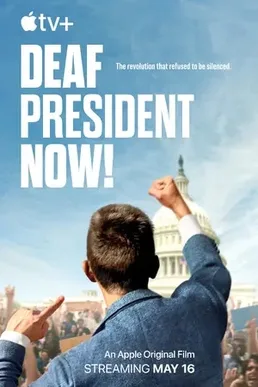 Featured
 Deaf President Now!
Documentary · 1h 40m
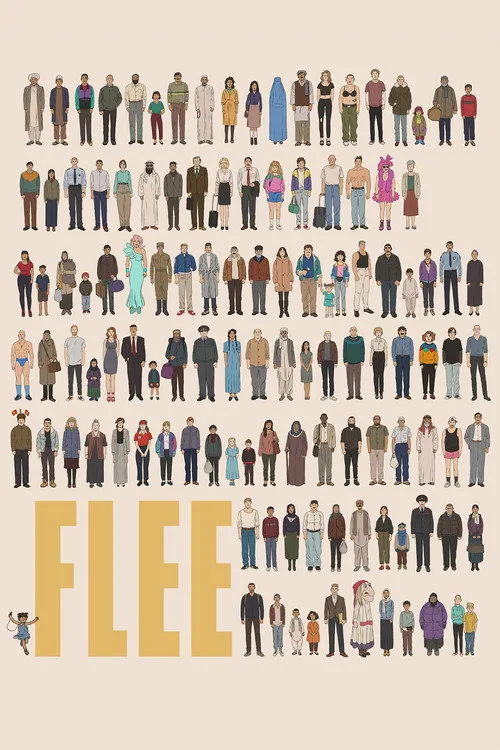 Sundance 2021
 Flee
Documentary, Animation · 1h 29m
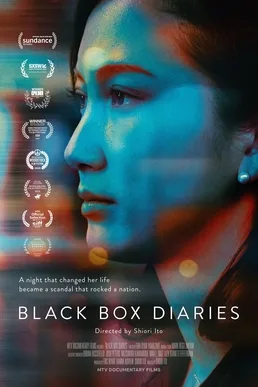 Sundance 2024
 Black Box Diaries
Documentary · 1h 43m
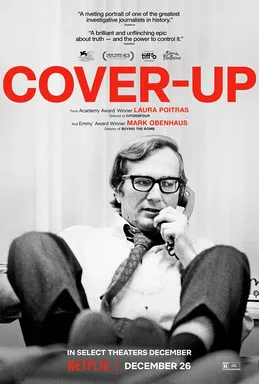 FeaturedVenice 2025
 Cover-Up
Documentary · 1h 57m
Where can I watch Megadoc?
Streaming: Prime Video, The Criterion Channel. Rent: Amazon Video, Apple TV, Fandango at Home. Buy: Amazon Video, Apple TV, Fandango at Home. Regional notes: Prime Video, The Criterion Channel in the United States.