Marlee Matlin: Not Alone Anymore Review: Her Story, Signed
Marlee Matlin: Not Alone Anymore is Shoshannah Stern's documentary portrait of the Deaf actor, told largely in her own signed words and frank about the hard parts.
★★★★☆ 4/5
Yes. It is a candid, well-made portrait of a groundbreaking actor, essential for anyone interested in Deaf culture and representation, if conventional in shape.
Is Marlee Matlin: Not Alone Anymore worth watching?
Yes. Marlee Matlin: Not Alone Anymore is a candid, engaging documentary that finally lets one of Hollywood’s most important Deaf performers tell her story in her own language and on her own terms. Director Shoshannah Stern, herself a Deaf actor and writer, brings an insider’s understanding that shapes every choice, from how the film is captioned to which questions it asks. Its structure is fairly conventional for a career portrait, but its perspective is anything but.
What is Marlee Matlin: Not Alone Anymore about?
Marlee Matlin: Not Alone Anymore traces Matlin’s life from her childhood in Illinois, where, like most Deaf children, she was born into a hearing family, through the isolation and mistreatment she experienced growing up, to a career that made her a household name. That career began with a sensational screen debut in Children of a Lesser God, which won her the Academy Award for best actress, and it has continued through decades of television work and a late-career triumph in CODA.
Much of the film is in American Sign Language, with Matlin telling her own story rather than being narrated over. It is an American documentary that premiered at Sundance in 2025 and runs 98 minutes.
A Deaf portrait made from the inside
What sets the film apart is its point of view. Documentaries about Deaf subjects have often been made by hearing filmmakers for hearing audiences, with sign language treated as something to be translated and explained. Stern reverses that. The conversations between director and subject take place in ASL, and the film’s design, with captions and on-screen text integrated into the frame, treats the language as the natural medium of the story rather than an obstacle.
The effect is intimate. Matlin is expressive, funny and blunt in sign, and the film lets her personality come through in a way that interview clips from talk shows rarely allowed. Some of its most revealing moments show how often she was spoken about, and for, by people who did not share her language.
Candour about the hard parts
Stern does not turn her subject into a saint. The film addresses difficult material, including abuse she experienced and the pressures that came with sudden fame at a very young age, and it does so with care but without flinching. Matlin speaks about painful chapters with directness, and the result feels honest rather than defensive.
The film is equally strong on the industry around her. It shows how rare Deaf roles have been, how isolating it could be to carry that visibility almost alone, and how her advocacy for captioning and access shaped more than her own career. The title hints at the film’s larger subject: what has changed for Deaf performers, and what has not.
Where the shape stays familiar
For all its fresh perspective, the documentary follows a recognisable structure: childhood, breakthrough, struggles, recovery, legacy. The material is arranged efficiently rather than inventively, and a few career chapters are skimmed while others get extended attention. Viewers hoping for a formally adventurous documentary will find it more solid than surprising. It is the voice, not the form, that makes it distinctive.
Who should watch Marlee Matlin: Not Alone Anymore?
It is essential for anyone interested in Deaf culture, disability representation, or the history of accessibility in film and television, and a rewarding watch for fans of Matlin’s work. It discusses abuse and trauma frankly, though without graphic detail, so it is best suited to older teenagers and adults. At 98 minutes, it is a comfortable single sitting.
Natural companions include Matlin’s own Children of a Lesser God and CODA, both of which gain context here. For another intense portrait of what performance demands, try:
- Whiplash, a fictional story, but one equally concerned with the cost of excellence and the people who try to control it.
More character-driven stories are collected in our drama section.
The verdict
Marlee Matlin: Not Alone Anymore is a warm, clear-eyed and overdue portrait of a performer who changed what audiences expect to see on screen. Its shape is traditional, but its perspective, shaped by a Deaf filmmaker and told largely in ASL, makes it a moving and valuable documentary.
Rating: 4/5
Availability is a catalogue snapshot and can change. Confirm with the provider in your region.
Where to watch Marlee Matlin: Not Alone Anymore
Not confirmed on major subscription platforms in our US baseline — check regional listings.
Rent: Amazon Video, Apple TV, Google Play, YouTube, Fandango at Home
Buy: Amazon Video, Apple TV, Google Play, YouTube, Fandango at Home
By region: BFI Player in the United Kingdom
Full scores and availability on the movie page.
If you liked Marlee Matlin: Not Alone Anymore
Ranked by genre overlap and Celluloid Score. More movies like Marlee Matlin: Not Alone Anymore →
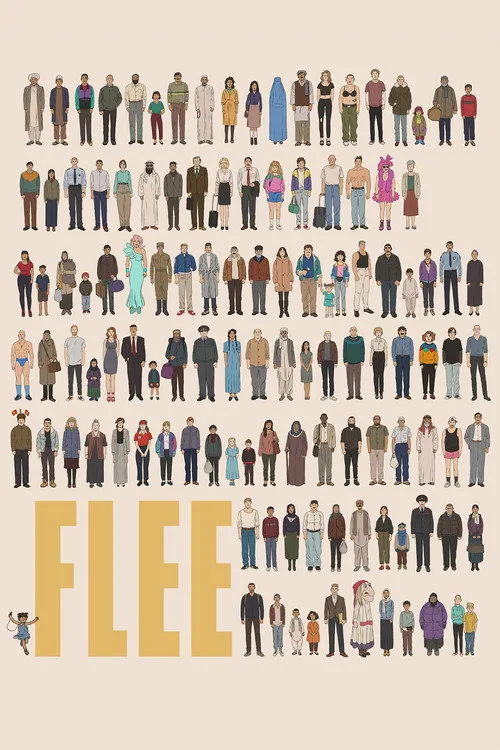 Sundance 2021
 Flee
Documentary, Animation · 1h 29m
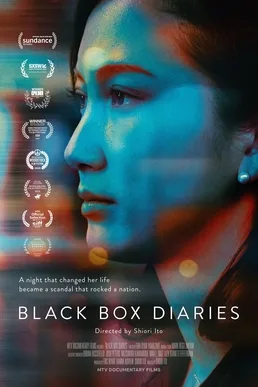 Sundance 2024
 Black Box Diaries
Documentary · 1h 43m
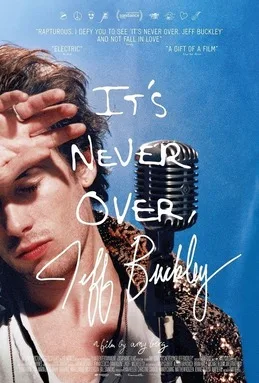 Sundance 2025
 It's Never Over, Jeff Buckley
Documentary · 1h 46m
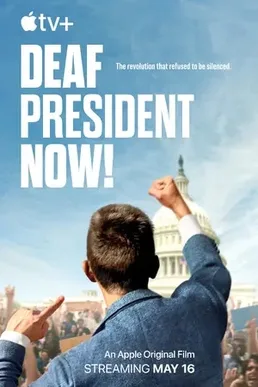 Featured
 Deaf President Now!
Documentary · 1h 40m
Where can I watch Marlee Matlin: Not Alone Anymore?
Rent: Amazon Video, Apple TV, Google Play, YouTube, Fandango at Home. Buy: Amazon Video, Apple TV, Google Play, YouTube, Fandango at Home. Regional notes: BFI Player in the United Kingdom.