Lady (2026) Review: Night Shifts and Sisterhood in Lagos
Lady is Olive Nwosu's assured debut about a Lagos cab driver drawn into a circle of women working the city's nightlife. A vivid study of friendship and survival.
Yes. It is a confident, atmospheric debut for fans of character-driven festival drama, though viewers who want a strong plot may find it loose.
Is Lady worth watching?
Yes. Lady is a striking first feature from Olive Nwosu, a textured portrait of Lagos after dark that finds tenderness and humour in a hard-edged world. Its greatest strength is its central performance and its feel for the city, which is rendered with the specificity of someone who knows it well. The reservation is that the film’s loose, mood-first structure leaves several of the women around its heroine less developed than they deserve.
What is Lady about?
A fiercely independent cab driver (Jessica Gabriel Ujah) spends her days and nights fighting Lagos traffic and chipping away at mounting debts, saving toward a quieter life on the coast in Freetown. Her plans are complicated when she starts chauffeuring a glamorous group of women built around her childhood friend, who now works as a sex worker. The job pulls her into a nightlife world she had promised herself she would stay outside, and into a sisterhood she never expected to need.
Lady is Nwosu’s feature debut, a Nigerian production in English that runs 96 minutes. It premiered at the Sundance Film Festival in January 2026. The cast includes Amanda Oruh, Tinuade Jemiseye and Bucci Franklin, with an appearance by the Afrobeat musician Seun Kuti.
A city seen from the driver’s seat
Nwosu’s smartest choice is her vantage point. Because the heroine is a driver, the film spends much of its time in the car, watching Lagos slide past the windows: jammed roads by day, neon and noise by night. That perspective gives the story an observational quality. We see the city the way she does, as a place of constant negotiation, where every fare, every tip and every favour matters.
The nightlife sequences are vivid without being glamorised. Clubs, apartments and late-night streets are shot with warmth and colour, but the film keeps its eye on the economics beneath the surface: who pays, who waits and who takes the risks. That balance between allure and precarity is what gives Lady its texture.
Jessica Gabriel Ujah’s watchful centre
The film rests on Ujah, and she carries it with remarkable restraint. Her driver is guarded, practical and proud, a woman who has survived by keeping others at arm’s length, and Ujah plays her with a stillness that makes small shifts in expression feel significant. As the character is drawn into the group, the performance loosens by degrees, and watching that thaw is the film’s quiet pleasure.
The ensemble around her brings energy and wit. The women’s banter, rivalries and loyalties give the film its liveliest scenes, and the sense of a found family forming, however fragile, is persuasive.
Supporting women left in outline
Nwosu is more interested in mood and relationships than in plot mechanics, and that approach has a cost. Several of the supporting women register more as presences than as fully realised people, and the film occasionally drifts when it could deepen them. The narrative can also feel episodic, with tensions introduced and set aside rather than developed. It is a debut that shows enormous promise more than complete control.
Who should watch Lady?
It suits viewers drawn to intimate, character-first drama and to anyone interested in the new wave of Nigerian filmmakers working on the international festival circuit. At 96 minutes it is compact. It deals frankly with sex work, debt and the dangers of nightlife, with adult themes and some tense moments, but it is not graphic in the way its subject might suggest.
If it resonates, try these next:
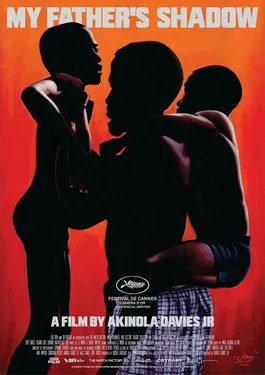
- My Father’s Shadow, another recent Nigerian festival debut with a personal, observational approach to Lagos.
- King of Boys, a far bigger crime saga, but another powerful story of a woman navigating Lagos on her own terms.
- Living in Bondage: Breaking Free, for a glossier look at the price of chasing money in the city.
The verdict
Lady is an assured, atmospheric debut that captures Lagos with rare intimacy and gives its central character a quiet, lasting presence. Some thinly drawn supporting roles and a loose structure keep it from greatness, but Olive Nwosu’s eye and Jessica Gabriel Ujah’s performance make it a debut worth seeking out.
If you liked Lady
Ranked by genre overlap and Celluloid Score.

Collateral
Drama, Crime · 2h 0m
 FeaturedCannes 2025
 My Father's Shadow
Drama, Family · 1h 33m
 Sundance 2014
 Whiplash
Drama, Music · 1h 47m
 Sundance 2017
 Call Me by Your Name
Romance, Drama · 2h 12m