KPop Demon Hunters (2025) Reviews: What Critics Said
Critics found KPop Demon Hunters a funny, energetic and gorgeously animated musical with irresistible songs, though several called the plot thin or predictable and one questioned how it treats fame.
Most critics say yes: KPop Demon Hunters is a joyful, very funny animated musical with standout songs, even if the story is slight. This is a roundup of published reviews; Celluloid has not rated it.
Editorial note: This is a roundup of published criticism of KPop Demon Hunters. Celluloid has not screened the film for this piece, and it carries no Celluloid rating. The critics are named and linked under Sources.
Is KPop Demon Hunters worth watching?
Most critics say yes: KPop Demon Hunters was widely enjoyed as a bright, fast and genuinely funny animated musical whose songs are the main event. Reviewers praised its energy, its visual style and a story about shame and self-acceptance that lands with more feeling than expected. The reservations are that the plot is thin and fairly predictable, and one essayist argued that the film glosses over the harsher realities of the pop industry it celebrates.
What is KPop Demon Hunters about?
When K-pop superstars Rumi, Mira and Zoey are not selling out stadiums, they use secret powers to protect their fans from supernatural threats. Maggie Kang and Chris Appelhans directed the film, which was released on Netflix in 2025 and runs 96 minutes; it was made with Sony Pictures Animation, the studio behind Spider-Man: Across the Spider-Verse. The voice cast is led by Arden Cho as Rumi, May Hong as Mira and Ji-young Yoo as Zoey, with Ahn Hyo-seop, Yunjin Kim, Ken Jeong, Lee Byung-hun and Daniel Dae Kim. Release details and where to watch are on the KPop Demon Hunters film page.
What critics praised
In Empire, Kelechi Ehenulo called the film a stunning musical treat for all ages and argued that it deserves its global success. For him the songs are its crowning achievement, a run of instant pop hits, and the brisk pace suits a steady stream of visual gags. Beneath the music and the demon mythology he found a heartfelt story about inherited shame and fear, and about learning to accept who you are.
Alonso Duralde of The Film Verdict went further, suggesting it was probably the funniest animated feature of its year. He enjoyed its satirical jabs at the music business and at over-the-top fandom, and liked character designs that swing between near photo-realism and cartoon exaggeration. He also noted, approvingly, that the film does not lean on celebrity voice casting, and that its be-yourself message arrives with real force.
At TheWrap, Matt Goldberg was warmer about the comedy than anything else, describing a strong thread of humour running through the whole film. He thought the songs do real storytelling work, raising the stakes rather than simply pausing the plot, and he credited the film with taking its silliness and its emotions equally seriously.
Where critics were divided
Goldberg was the most measured of the reviewers. He described a fizzy, light entertainment that falls a little short of the best Netflix animation, citing The Mitchells vs. the Machines and Nimona as the benchmark. He found the plotting thin, felt Mira and Zoey serve mainly as comic relief until the climax, and thought the film could lurch awkwardly between broad comedy and its more earnest emotional material. Even Ehenulo, one of the film’s keenest admirers, acknowledged some predictability and a tendency to rush towards the end.
The sharpest objection was not about craft at all. In a critical essay for the New Statesman, Sam Jennings acknowledged the film’s catchy music and enormous popularity but argued that it presents idol stardom far too cheerfully. In his view the K-pop system recruits performers young and works them hard, and the film treats that world as essentially benign so long as its heroine finds herself, rather than looking at what it costs the people inside it.
Who is it for?
The film is aimed at families, older children and anyone who enjoys pop music, anime-influenced action and fast comedy. It is rated PG in the US and the UK. Jennifer Green of Common Sense Media recommends it from around age 10, noting creepy scenes in which demons drain people’s souls and plenty of fight scenes, but also a general innocence and positive messages about friendship and self-acceptance. More titles are collected under animation.
The critical verdict
The critics gathered here broadly agree that KPop Demon Hunters is an unusually lively animated musical, carried by excellent songs, sharp jokes and distinctive design. Most accept a slim, familiar plot as a fair trade for the energy on screen. The one serious dissent, from Jennings, concerns the film’s picture of fame rather than its entertainment value.
Sources & further reading
This article compares the named critics below. It is not the author’s personal review; any confirmed personal rating is shown separately on the film page.
Availability is a catalogue snapshot and can change. Confirm with the provider in your region.
Where to watch KPop Demon Hunters
Streaming: Netflix
By region: Netflix in the United States; Netflix in the United Kingdom; Netflix in Indonesia; Netflix in India
Full scores and availability on the movie page.
If you liked KPop Demon Hunters
Ranked by genre overlap and Celluloid Score.
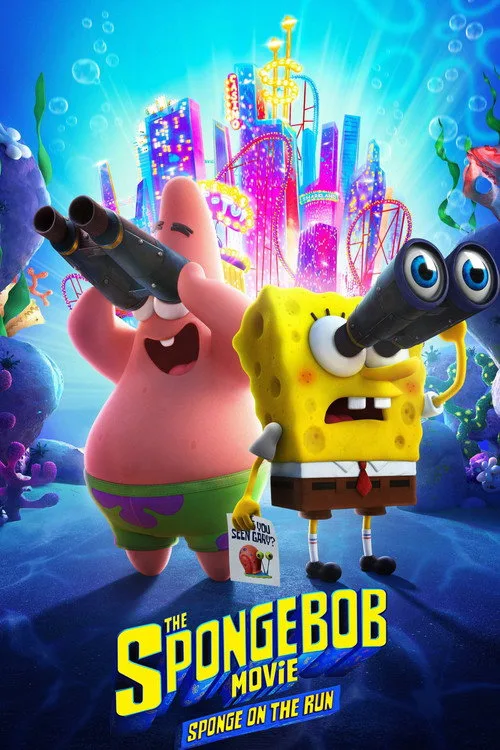
The SpongeBob Movie: Sponge on the Run
Adventure, Animation · 1h 35m
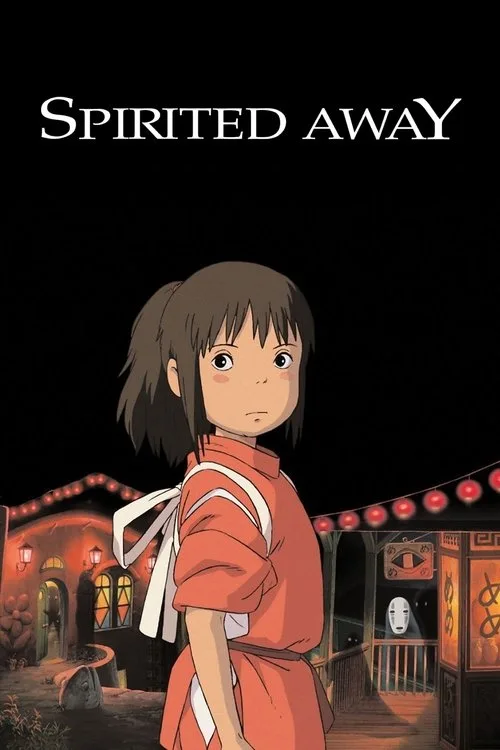 Berlinale 2002
 Spirited Away
Animation, Fantasy · 2h 5m
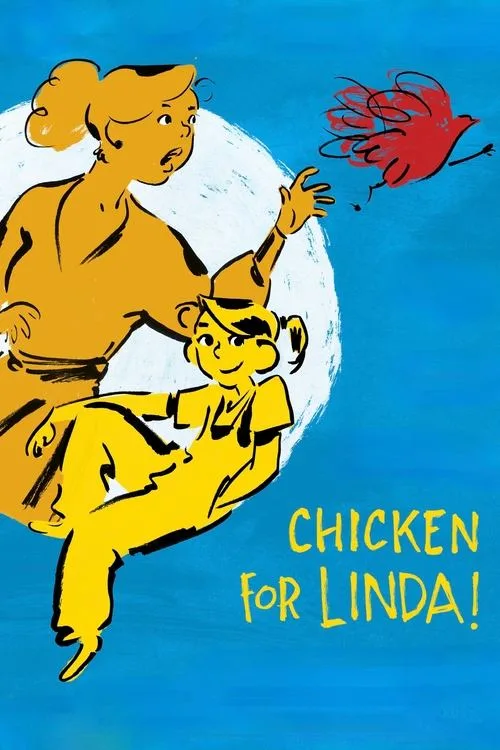 Annecy 2023
 Chicken for Linda!
Animation, Comedy · 1h 16m
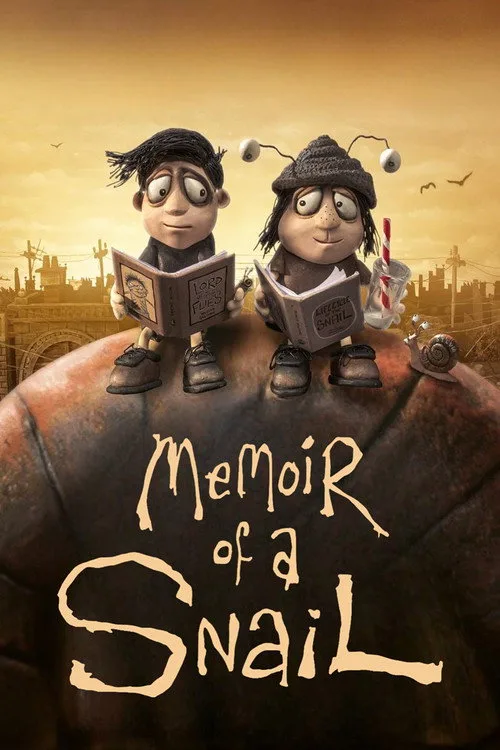 FeaturedAnnecy 2024
 Memoir of a Snail
Animation, Drama · 1h 34m
Where can I watch KPop Demon Hunters?
Streaming: Netflix. Regional notes: Netflix in the United States; Netflix in the United Kingdom; Netflix in Indonesia; Netflix in India.