Industry (2020) Review: Finance as a Blood Sport
Industry is HBO's London banking drama that grew from a graduate-scheme pressure cooker into a sharp, abrasive study of money, power and ambition.
★★★★☆ 4/5
Yes. Push through a jargon-heavy start and Industry becomes one of TV's most gripping dramas about ambition, best for viewers who like their characters ruthless.
Is Industry worth watching?
Yes. Industry is one of the sharpest dramas about money on television, a series that gets bigger, smarter and more confident with every season. Its great strength is how it makes trading floors and deal rooms feel as tense as a heist, while keeping its focus on young people deciding how much of themselves to sell. The reservation is the first season, which buries newcomers in unexplained jargon and asks for patience before the show finds its full shape.
What is Industry about?
The series opens on a cohort of graduates competing for permanent jobs at Pierpoint & Co, a prestigious London investment bank. Harper Stern (Myha’la), an ambitious American outsider with a loose relationship to the truth, and Yasmin Kara-Hanani (Marisa Abela), a wealthy insider with something to prove, are the characters the show stays with, under the eye of the demanding trader Eric Tao (Ken Leung). Sagar Radia’s Rishi, a foul-mouthed veteran of the desk, supplies much of the show’s venom and comedy.
Over time the canvas widens from the graduate scheme to money’s hold on media, politics and the British aristocracy. Kit Harington arrives in later seasons as a titled heir, and Max Minghella joins as a fintech founder.
Industry was created by Mickey Down and Konrad Kay, and it is a British series in English that streams on HBO Max. This review covers seasons 1 to 4, 32 episodes in total. The show is ongoing, so the story is not yet finished.
Jargon as a weapon
Down and Kay worked in finance before they wrote about it, and it shows in the show’s refusal to explain itself. Characters talk in a rapid, acronym-thick shorthand that the audience is left to catch up with. In the first season this can be alienating. Over time it becomes part of the appeal: the language is a barrier to entry for the characters as much as for the viewer, and learning to read the room is exactly what the graduates are being tested on.
The writing’s real subject is not markets but people under pressure. Every relationship in Industry is also a transaction, and the show is brilliant at the small moments when a friendship, a romance or a mentorship quietly turns into leverage. It is a drama about ambition that never pretends ambition is noble.
A series that keeps raising its stakes
What distinguishes Industry from other workplace dramas is its growth. The early episodes are close to a cult curiosity, all hangovers, humiliations and the grind of the trading floor. Later seasons open up into corporate scandal, political influence and old money, and the scale of the storytelling rises to match.
The fraud-driven material of the most recent season is the show at its most ambitious and most damning, turning a critique of one bank into a critique of an entire financial culture built on confidence and invention. The production has grown with it, moving from cramped office floors to country estates and boardrooms without losing its nervy, handheld intensity.
Performances with sharp edges
Myha’la gives Harper a coiled, unreadable quality that makes her compelling even at her least sympathetic, and the show is brave enough to leave the audience unsure whether to root for her. Marisa Abela charts Yasmin’s slow hardening with real subtlety. Ken Leung is quietly magnetic as a man who has given everything to the job, and Harington and Minghella slot into the show’s world without star-casting distraction.
The limitation is tonal. Industry can be exhausting, relentless in its cruelty and occasionally more interested in shocking than in illuminating. Some viewers will find no one on screen they want to spend time with.
Who should watch Industry?
This is for viewers who enjoy morally murky drama about power and ambition and do not need likeable protagonists. Four seasons and 32 episodes of roughly an hour each is a substantial commitment, but the show rewards it, and there is no sensible entry point except the beginning. Expect frequent explicit sex, drug use, strong language and a great deal of emotional cruelty.
More British drama with a similar sting:
- I May Destroy You, another bold, contemporary London series about young adults and blurred moral lines.
- Fleabag for a protagonist as self-destructive and hard to look away from as Harper.
- Mr Bates vs The Post Office for a more sober look at institutional wrongdoing and who pays for it.
The verdict
Industry began as a niche banking drama and has become appointment television, a series that understands money as a way of measuring people. The early jargon and the relentless bleakness will put some viewers off, but those who stay will find one of the most assured dramas of its era.
Rating: 4/5
Availability is a catalogue snapshot and can change. Confirm with the provider in your region.
Where to watch Industry
Streaming: HBO Max
By region: HBO Max in the United States; HBO Max, Sky Cinema, BBC iPlayer in the United Kingdom; HBO Max in Indonesia; Disney+ Hotstar in India
Full scores and availability on the series page.
More like Industry
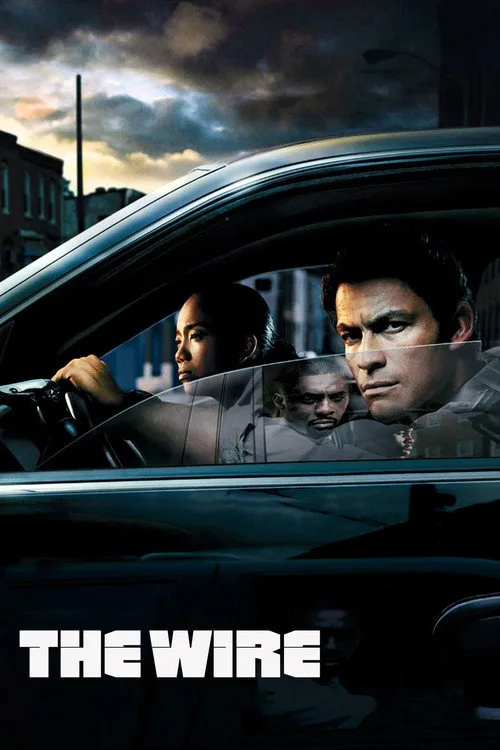 HBO Max Editor's Pick
 The Wire
Crime, Drama
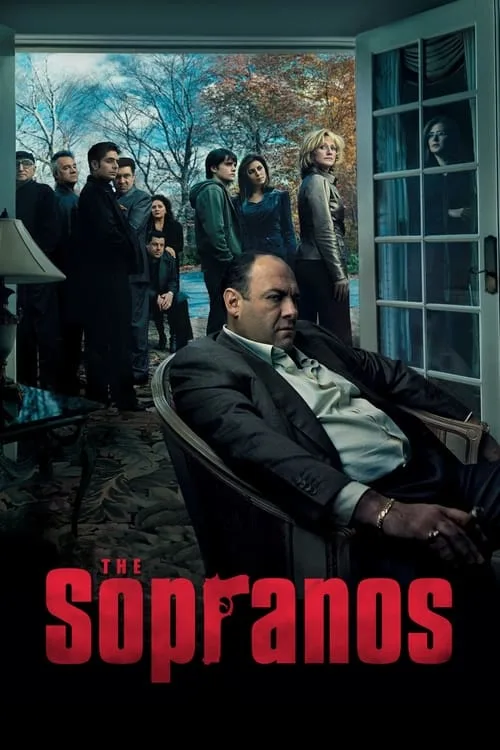 HBO Max Editor's Pick
 The Sopranos
Crime, Drama
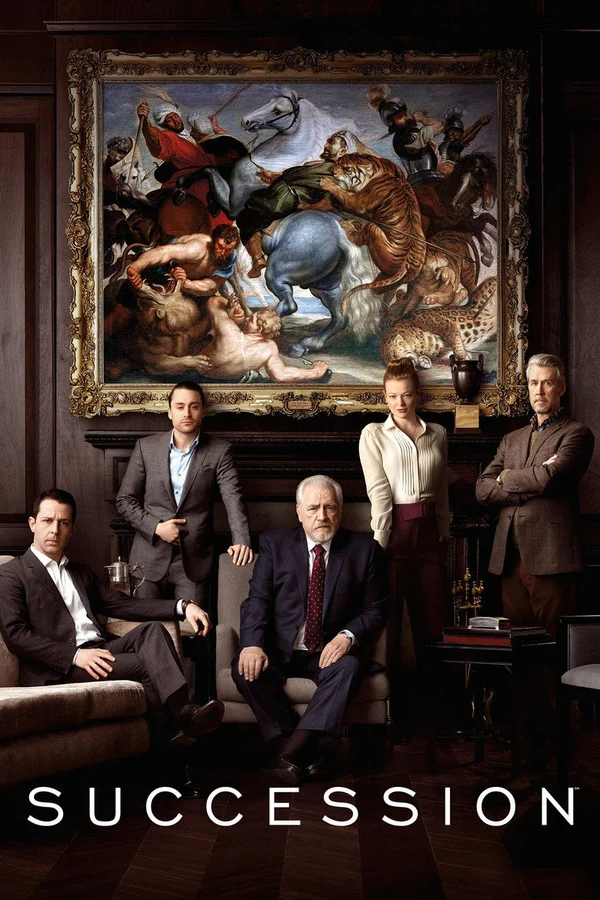 HBO Max Editor's Pick
 Succession
Drama
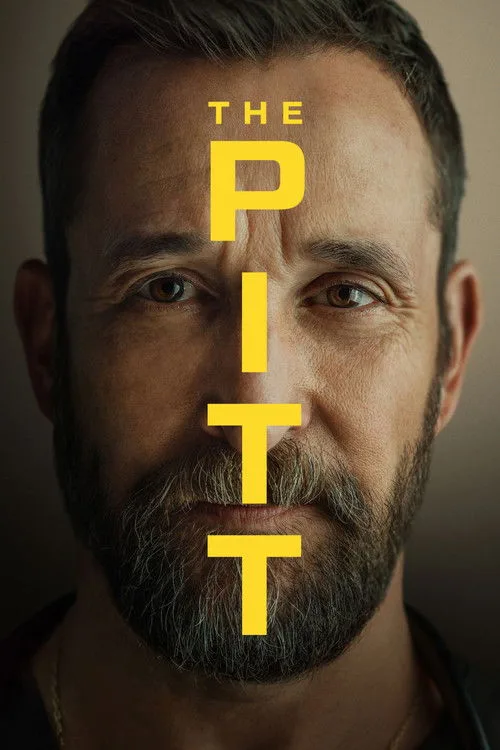 HBO Max Editor's Pick
 The Pitt
Drama, Medical
Where can I watch Industry?
Streaming: HBO Max. Regional notes: HBO Max in the United States; HBO Max, Sky Cinema, BBC iPlayer in the United Kingdom; HBO Max in Indonesia; Disney+ Hotstar in India.